

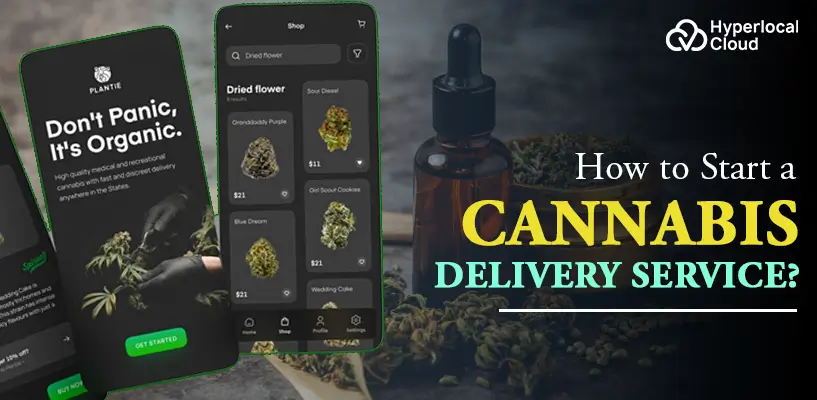
The cannabis industry is evolving as consumers increasingly look for convenient ways to discover products, place orders, and access licensed delivery services. With the growth of digital commerce, online ordering platforms are becoming an important part of the cannabis retail ecosystem. Entrepreneurs and dispensary owners can explore technology-driven business models to improve customer experiences, streamline order management, and expand their service reach.
Starting an online cannabis delivery service business, however, requires more than launching a website or mobile application. Business owners must understand state and local cannabis regulations, obtain the appropriate licenses, establish relationships with authorized suppliers, and develop secure delivery operations.
Technology also plays a significant role in managing the business. A well-designed cannabis delivery platform can connect customers, dispensaries, administrators, and delivery personnel through a centralized system.
In this guide, we explain how to start an online cannabis delivery service business in the USA, covering business models, legal requirements, startup costs, essential software features, and marketing strategies to help you plan your venture.
What Is an Online Cannabis Delivery Service Business?
An online cannabis delivery service business is a technology-enabled retail or delivery operation that allows eligible customers to browse authorized cannabis products, place orders, and receive deliveries where permitted by law.
Instead of requiring customers to visit a physical dispensary for every purchase, an online platform provides a digital interface for product discovery, ordering, payment processing where supported, and delivery coordination.
The business may operate through a licensed dispensary, a licensed delivery service, or a permitted partnership between cannabis retailers and delivery providers.
How Does an Online Cannabis Delivery Business Work?
An online cannabis delivery business typically operates through a website or digital ordering platform connected to authorized retail and delivery operations.
The general workflow includes:
-
Customer registration: Customers create an account and provide the information required for identity and age verification.
-
Location verification: The platform checks whether the customer’s delivery address falls within an authorized service area.
-
Product browsing: Eligible customers explore the available inventory, product descriptions, and applicable purchasing limits.
-
Order placement: Customers select permitted products and submit their orders through the approved ordering process.
-
Order verification: The business validates customer eligibility, product availability, and regulatory requirements.
-
Order fulfillment: Authorized personnel prepare the order according to applicable packaging and handling regulations.
-
Delivery assignment: The order is assigned to an authorized delivery employee or service provider.
-
Customer verification: The recipient’s identity and eligibility are checked at delivery.
-
Order completion: The transaction and delivery records are updated in the management system.
The exact workflow depends on the licensing structure and regulations of the operating jurisdiction.
Difference Between Cannabis Dispensaries and Cannabis Delivery Services
A cannabis dispensary primarily focuses on selling authorized cannabis products to eligible consumers. A cannabis delivery service focuses on transporting permitted purchases to customers.
Some jurisdictions allow licensed retailers to conduct their own delivery operations, while others recognize separate delivery-service licenses or specific operating arrangements.
Entrepreneurs should understand which activities their licenses authorize before choosing a business model.
Medical vs. Recreational Cannabis Delivery
Cannabis delivery businesses may serve medical or adult-use recreational markets, depending on local laws.
Medical cannabis delivery generally serves eligible registered patients or other authorized purchasers under applicable medical cannabis regulations. Verification, product eligibility, and purchasing rules may differ from recreational markets.
Recreational cannabis delivery serves eligible adults in jurisdictions that permit adult-use cannabis sales and delivery. Businesses must comply with minimum-age requirements, purchasing limits, product restrictions, and delivery regulations.
Both models require careful attention to licensing, customer verification, and product traceability.
Develop a Cannabis Delivery App with Advanced Features
Is Starting a Cannabis Delivery Business Profitable?
A cannabis delivery business can offer commercial opportunities in jurisdictions with established legal cannabis markets. However, profitability depends on licensing availability, market demand, operating expenses, competition, and the business’s ability to maintain regulatory compliance.
Online ordering can improve convenience and make it easier for licensed retailers to manage customer interactions. Delivery services can also create additional value by providing customers with access to authorized products without requiring an in-person shopping experience.
Growing Demand for Online Cannabis Ordering
Consumers are becoming familiar with ordering products and services through digital platforms. Cannabis retail businesses can adopt similar digital experiences where online ordering and delivery are legally permitted.
Customers may value features such as:
-
Convenient product discovery.
-
Access to updated product information.
-
Clear order status notifications.
-
Multiple authorized product categories.
-
Convenient delivery scheduling where permitted.
-
Digital customer support.
These capabilities can help licensed businesses improve their customer experience and operational efficiency.
Business Opportunities in Legal Cannabis Markets
Entrepreneurs can explore several opportunities within regulated cannabis markets:
-
Dispensary-owned delivery: Existing licensed dispensaries can introduce online ordering and authorized delivery services.
-
Dedicated delivery operations: Eligible businesses can operate licensed delivery services where separate licensing is available.
-
Technology solutions: Software providers can develop ordering, inventory, and delivery management platforms for licensed cannabis businesses.
-
Multi-location retail operations: Licensed operators can use centralized technology to coordinate permitted activities across multiple locations.
Factors That Influence Cannabis Delivery Business Profitability
Several factors influence the financial performance of a cannabis delivery operation:
-
Licensing and regulatory expenses.
-
Product sourcing and inventory costs.
-
Delivery personnel and transportation expenses.
-
Technology development and maintenance.
-
Payment processing availability and fees.
-
Customer acquisition and retention costs.
-
Local competition and customer demand.
A realistic business plan should account for these expenses before estimating revenue or profitability.
What Are the Legal Requirements for Starting a Cannabis Delivery Business?
Legal compliance is one of the most important considerations when starting a cannabis delivery service business in the United States.
Cannabis regulations vary significantly across states and local jurisdictions. A business permitted to operate in one state may not be allowed to conduct the same activities in another.
Entrepreneurs should review applicable regulations and consult qualified cannabis attorneys before investing in business infrastructure.
Understand Federal and State Cannabis Laws in the USA
The first step is understanding the legal framework governing cannabis in the intended operating location.
Federal and state cannabis laws do not always align. State authorization does not automatically remove federal legal considerations.
Business owners must examine:
-
Whether commercial cannabis activity is permitted.
-
Whether delivery services are authorized.
-
Which license category applies.
-
Whether local municipalities permit the activity.
-
Whether interstate transportation is prohibited or restricted.
-
What operational and reporting obligations apply.
For example, California regulates commercial cannabis activity through its Department of Cannabis Control, while New Jersey has a specific Class 6 Cannabis Delivery license for authorized delivery operations.
Obtain State and Local Cannabis Business Licenses
Registering a business entity is not the same as receiving authorization to sell or deliver cannabis.
Depending on the business model, an entrepreneur may need retail, delivery, distribution, or other applicable licenses.
Before applying, investigate:
-
State licensing eligibility.
-
Local zoning and business permits.
-
Ownership and financial disclosure requirements.
-
Business premises requirements.
-
Security and operational plans.
-
Employee training requirements.
-
License renewal and reporting obligations.
California requires businesses to complete applicable local permitting processes and obtain the relevant state authorization before conducting commercial cannabis activities.
Meet Age Verification and Customer Identification Requirements
Cannabis delivery businesses must have processes for confirming that customers meet the legal eligibility requirements of their jurisdiction.
Depending on local regulations, these processes may include:
-
Date-of-birth verification.
-
Government-issued identification checks.
-
Medical patient eligibility verification.
-
Address and delivery-area validation.
-
Identity confirmation when an order is handed over.
The business should maintain appropriate verification records while following applicable privacy and data protection requirements.
Follow Cannabis Packaging, Labeling, and Transportation Rules
Cannabis products may be subject to specific packaging, labeling, storage, and transportation requirements.
Businesses should understand the rules concerning:
-
Child-resistant packaging where required.
-
Product labeling and required warnings.
-
Sealed and tamper-evident packaging.
-
Authorized transportation procedures.
-
Vehicle and employee requirements.
-
Delivery documentation.
-
Product handling and storage.
These procedures should be documented in standard operating procedures and incorporated into employee training.
Understand Taxation and Financial Compliance
Cannabis businesses may have additional tax and financial reporting responsibilities compared with conventional retail operations.
Depending on the jurisdiction and business structure, these may include:
-
Business income taxes.
-
Applicable state and local cannabis taxes.
-
Sales and excise taxes.
-
Payroll and employment taxes.
-
Financial recordkeeping.
-
Banking and payment provider requirements.
Consult an accountant familiar with regulated cannabis businesses to understand the applicable tax treatment and reporting obligations.
Maintain Security and Inventory Records
Inventory control is essential for preventing unauthorized access, diversion, and discrepancies.
A compliant operating process should include:
-
Inventory receiving records.
-
Product movement documentation.
-
Sales and delivery records.
-
Access control procedures.
-
Employee authorization.
-
Security monitoring where required.
-
Inventory reconciliation.
-
Applicable state tracking system integration.
A digital management platform can help authorized businesses maintain accurate records and organize operational information.
Start Building Your Cannabis Delivery Platform Today
How to Start an Online Cannabis Delivery Service Business: Step-by-Step Guide
Launching a cannabis delivery business requires a structured approach that combines market research, regulatory planning, operational preparation, and technology implementation. The following steps can help entrepreneurs plan their businesses effectively.
Step 1: Research the Target Market and Choose a Location
Start by identifying the state or local market where you intend to operate. Research the availability of cannabis delivery licenses, local restrictions, customer demand, and the competitive landscape.
Evaluate the following factors:
-
Whether cannabis delivery is legally permitted.
-
Whether the municipality allows cannabis businesses.
-
The number of existing licensed dispensaries.
-
Potential customer demographics.
-
Local purchasing preferences.
-
Delivery coverage restrictions.
-
Competitor pricing and service offerings.
Choosing a location should be based on both commercial opportunity and licensing feasibility. Do not invest in a property or delivery infrastructure until you have confirmed that the proposed business activity is permitted.
Step 2: Select Your Cannabis Delivery Business Model
Choose a business model that matches your resources, licensing eligibility, and long-term objectives.
For example, an existing licensed dispensary may introduce its own online ordering and delivery service. An entrepreneur with the appropriate delivery authorization may operate a dedicated delivery business. A technology entrepreneur may develop software for licensed cannabis retailers without directly selling or transporting cannabis.
Your selected model will influence licensing requirements, investment, staffing, supplier relationships, and technology needs.
Step 3: Create a Cannabis Delivery Business Plan
A detailed business plan provides a roadmap for launching and managing your operation.
Include the following elements:
-
Business overview: Explain your business concept, services, and operating model.
-
Market research: Identify the target audience, local demand, and competitors.
-
Legal strategy: Document licensing requirements and compliance responsibilities.
-
Operational plan: Define staffing, inventory management, customer support, and delivery processes.
-
Technology plan: Identify the website, ordering system, management software, and integrations required.
-
Financial projections: Estimate startup investment, recurring expenses, revenue assumptions, and operating margins.
-
Marketing strategy: Plan customer acquisition, local SEO, content marketing, and retention activities.
A realistic plan should also include contingency budgets for licensing delays, regulatory changes, and unexpected operating expenses.
Step 4: Register Your Business and Obtain Necessary Licenses
Select an appropriate legal business structure, such as an LLC or corporation, based on professional legal and tax advice.
Complete the relevant business registration and licensing processes. Prepare the documentation required by the applicable cannabis regulatory authority.
This may include ownership disclosures, financial information, premises details, security plans, employee training procedures, and operating policies.
Remember that local approval and state authorization may be separate requirements. For example, California requires applicants to complete relevant local permitting processes before proceeding with state licensing.
Step 5: Arrange Licensed Cannabis Suppliers and Inventory
If your business model includes retail sales, establish relationships with authorized cannabis suppliers and distributors.
Your inventory strategy should consider:
-
Authorized supplier verification.
-
Product availability and quality documentation.
-
Purchase and receiving records.
-
Inventory tracking.
-
Storage requirements.
-
Product expiration and recall procedures.
-
Applicable product testing and labeling requirements.
An inventory management system can help licensed businesses monitor stock levels, identify discrepancies, and maintain product records.
Step 6: Set Up Delivery Operations and Hire Qualified Staff
Delivery operations require trained employees, authorized transportation arrangements, and documented procedures.
Depending on the jurisdiction, businesses may need to follow specific rules concerning drivers, vehicles, order security, delivery routes, and customer handover.
Your operational setup should include:
-
Qualified and authorized delivery personnel.
-
Employee background checks where required.
-
Staff training and operating procedures.
-
Appropriate insurance coverage.
-
Secure order handling.
-
Delivery-area verification.
-
Identity checks at handover.
-
Delivery documentation and recordkeeping.
Build clear procedures for failed deliveries, customer unavailability, order discrepancies, and other operational exceptions.
Step 7: Build an Online Cannabis Ordering Website or App
Technology is an important part of creating a convenient and organized cannabis delivery operation.
A website or digital ordering platform can provide customers with product information, account management, and order updates. The administrative system can help licensed operators manage orders, inventory, and delivery activities.
Depending on applicable laws and platform policies, businesses may choose a website, an approved mobile application, or a combination of digital channels.
Important capabilities include:
-
Customer registration and verification.
-
Product catalog management.
-
Location-based service availability.
-
Order management.
-
Inventory synchronization.
-
Delivery assignment.
-
Order notifications.
-
Reporting and analytics.
A white-label cannabis delivery platform may help businesses reduce development time and customize the software around their operational requirements.
Important platform consideration: App distribution policies differ. Apple’s App Review Guidelines require legally permitted cannabis sales apps to be geo-restricted to the corresponding legal jurisdiction. Google Play prohibits apps that facilitate marijuana sales or delivery, regardless of legality. Businesses should assess distribution options before choosing a mobile-app-first strategy.
Step 8: Test Your Platform and Delivery Workflow
Before launching, test the entire digital and operational process.
Conduct tests covering:
-
Customer registration.
-
Age and identity verification.
-
Delivery address eligibility.
-
Product availability.
-
Order submission and cancellation.
-
Inventory updates.
-
Payment processing where supported.
-
Delivery assignment.
-
Customer notifications.
-
Proof of delivery.
-
Administrative reporting.
Testing should also confirm that restricted transactions cannot proceed and that the platform supports the relevant compliance procedures.
Step 9: Launch and Expand Your Cannabis Delivery Business
Once the required licenses, operational arrangements, and technology are in place, begin your launch within the authorized service area.
Start with a controlled rollout to identify operational issues and collect customer feedback.
Monitor important performance indicators, including:
-
Order completion rate.
-
Average order processing time.
-
Delivery success rate.
-
Customer retention.
-
Inventory accuracy.
-
Customer support response time.
-
Customer acquisition cost.
-
Operating expenses.
Use these insights to improve the customer experience and determine whether expansion into additional authorized locations is commercially and legally feasible.
Different Cannabis Delivery Business Models to Consider
Selecting the right business model is essential because it determines how your company earns revenue, manages operations, and meets regulatory obligations.
Single Dispensary Delivery Model
In this model, an existing licensed cannabis dispensary manages its own online ordering and authorized delivery operations.
Customers browse the dispensary’s catalog, place orders through its digital platform, and receive eligible products through the dispensary’s permitted delivery service.
Best suited for: Existing dispensaries looking to extend their retail operations through digital ordering.
Online Cannabis Store with Delivery
An online cannabis store provides a digital shopping experience for customers in its authorized market.
The business manages product listings, customer accounts, order processing, and fulfillment through its licensed retail and delivery arrangements.
Best suited for: Licensed retailers looking to establish a stronger online presence.
Multi-Vendor Cannabis Marketplace
A multi-vendor marketplace connects multiple authorized cannabis retailers through a centralized digital platform.
Each participating retailer can manage its permitted product catalog, inventory, and order fulfillment, while the marketplace provides a unified customer interface.
Potential marketplace capabilities include:
-
Vendor registration and approval.
-
Individual vendor dashboards.
-
Product catalog management.
-
Location-based product discovery.
-
Centralized order monitoring.
-
Vendor performance reports.
The marketplace operator must ensure that its activities and business arrangements are permitted under the relevant jurisdiction’s regulations. A software marketplace does not automatically grant vendors or the operator permission to sell cannabis.
Best suited for: Technology operators working with appropriately licensed retail businesses.
Licensed Cannabis Delivery Service Provider
A dedicated delivery service focuses on transporting authorized cannabis purchases from licensed retailers to eligible customers.
The business may operate under a separate delivery license where the jurisdiction recognizes this category.
Best suited for: Entrepreneurs interested in specialized delivery operations rather than operating a full retail dispensary.
Medical Cannabis Delivery Business
A medical cannabis delivery operation serves eligible patients under the applicable medical cannabis program.
The business must follow the relevant patient verification, product eligibility, delivery, and documentation requirements.
Best suited for: Authorized businesses serving regulated medical cannabis markets.
Transform Your Cannabis Business with Digital Ordering
How Much Does It Cost to Start a Cannabis Delivery Business?
The cost of starting a cannabis delivery business depends on the location, licensing category, business model, technology requirements, staffing, and operational scale.
A business that develops its own licensed retail and delivery infrastructure may require a different investment than a technology company providing software to existing licensed operators.
Instead of relying on one universal startup estimate, prepare a cost breakdown based on your actual operating requirements.
Business Registration and Licensing Costs
Budget for business formation, legal consultations, application fees, licensing fees, local permits, and renewals.
Some jurisdictions may also require additional investment in premises, inspections, security systems, and operating documentation.
Technology and Cannabis Delivery App Development Costs
Technology expenses depend on whether you select a ready-made solution or develop a custom platform.
Typical cost components include:
-
Website development.
-
Customer-facing ordering interface.
-
Admin dashboard.
-
Delivery management system.
-
Inventory management.
-
Third-party integrations.
-
Security and compliance-related functionality.
-
Hosting, maintenance, and technical support.
A white-label solution can reduce initial development effort, while custom development offers greater flexibility for specialized workflows.
Inventory and Supplier Management Costs
Licensed retail operators must budget for authorized product procurement, storage, inventory management, and associated working capital.
Supplier agreements, purchasing limits, and inventory requirements should be evaluated before launch.
Delivery Vehicles and Operational Expenses
Depending on the business model, expenses may include vehicles, insurance, fuel, vehicle maintenance, employee salaries, security equipment, and delivery management systems.
Marketing, Staffing, and Security Costs
Other important expenses include employee recruitment, training, customer support, local marketing, cybersecurity, and physical security.
Ongoing Maintenance and Compliance Expenses
Cannabis delivery businesses should also plan for recurring expenses such as:
-
License renewals.
-
Software maintenance.
-
Employee training.
-
Insurance renewals.
-
Compliance audits.
-
Security monitoring.
-
Accounting and tax services.
-
Regulatory updates.
Cost planning tip: Prepare three financial scenarios: a minimum viable launch, a standard operating model, and a multi-location expansion plan. This makes it easier to evaluate the financial requirements before committing capital.
Essential Features of an Online Cannabis Delivery App
A cannabis delivery platform should provide separate interfaces for customers, administrators, and delivery personnel. Each interface should support the workflows required by the licensed business.
Customer App Features
Allow eligible users to register accounts and complete the required age and identity verification procedures before accessing restricted purchasing functionality.
2. Cannabis Product Catalog and Search Filters
Display authorized product information, descriptions, categories, pricing, and availability. Search and filtering capabilities can make product discovery easier.
3. Location-Based Availability
Check whether a customer’s location falls within the licensed business’s permitted delivery area before allowing an order to proceed.
4. Online Ordering and Order Tracking
Provide a structured ordering interface and status updates that allow customers to follow their orders.
5. Secure Payment Integration
Support only payment methods and payment providers that explicitly permit the relevant cannabis-related transactions. Do not assume that conventional payment gateways support cannabis sales.
6. Order History and Customer Support
Allow customers to review permitted transaction information, access order updates, and contact customer support when necessary.
Admin Panel Features
1. Order and Inventory Management
Help authorized administrators monitor incoming orders, product availability, inventory movements, and order fulfillment.
2. Customer Verification Management
Provide access to verification status and relevant customer records, with role-based permissions and appropriate privacy controls.
3. Sales Reports and Analytics
Generate reports covering authorized transactions, order volume, product performance, and operational activity.
4. Tax and Compliance Reporting
Organize transaction documentation, tax-related information, and records required by applicable regulatory processes.
5. Delivery Zone Management
Configure permitted delivery areas, operational availability, and location-based restrictions according to the business’s authorizations.
Delivery Partner App Features
1. Driver Registration and Verification
Maintain delivery personnel profiles and the relevant authorization and training information.
2. GPS-Based Route Management
Provide route planning and navigation support within authorized delivery zones.
3. Delivery Status Updates
Allow delivery personnel to update order progress and communicate delivery-related changes.
4. Proof of Delivery and Identity Verification
Support legally required recipient verification and delivery confirmation procedures.
5. Delivery History and Performance Reports
Maintain records of completed deliveries, exceptions, and operational performance.
A well-integrated platform can help licensed cannabis businesses coordinate these workflows through a centralized technology system.
How to Choose the Right Technology for a Cannabis Delivery Business
Choosing the right technology is an important decision when establishing an online cannabis delivery business. The platform should support your business model, customer experience, operational requirements, and applicable regulatory restrictions.
Custom Cannabis Delivery App Development
Custom cannabis delivery app development allows businesses to build software around their specific operational workflows.
A custom platform can include customer interfaces, administrative dashboards, inventory management, delivery coordination, reporting, and integrations with approved third-party systems.
This approach is suitable for businesses that need specialized functionality, unique workflows, or greater control over their software architecture.
White-Label Cannabis Delivery Software
White-label cannabis delivery software provides a prebuilt technology solution that businesses can customize with their branding, business information, and selected features.
It can help reduce development time and provide access to essential platform components without building every functionality from scratch.
Potential benefits include:
-
Faster technology deployment.
-
Customizable branding and interfaces.
-
Ready-made administrative functionality.
-
Customer and delivery management.
-
Scalable software architecture.
-
Reduced initial development effort.
However, businesses should verify that the software provider supports their intended jurisdiction, business model, compliance requirements, and distribution channels.
Website vs. Mobile App: Which Is Better?
Both websites and mobile applications can contribute to the digital customer experience, but their suitability depends on applicable laws and platform policies.
Website: A browser-based platform can provide product discovery, business information, authorized ordering workflows, and customer support. Its availability and functionality must still comply with relevant regulations.
Mobile application: Mobile applications can offer convenient interfaces, location-related functionality, notifications, and account management. However, cannabis-related app distribution restrictions must be reviewed carefully.
For example, Google Play does not allow applications that facilitate marijuana sales or delivery, while Apple’s guidelines allow legally permitted cannabis sales apps subject to geographic restrictions.
Integration with POS, Inventory, and Compliance Systems
A cannabis delivery platform should be capable of integrating with the systems used by the licensed business.
Important integration considerations include:
-
Point-of-sale systems.
-
Inventory management software.
-
Authorized payment providers.
-
Identity verification services.
-
Regulatory tracking systems.
-
Accounting software.
-
Customer relationship management tools.
Integration compatibility should be evaluated before selecting a software provider. This helps prevent disconnected records and unnecessary manual processes.
Start Your Cannabis Delivery Business with the Right Technology
Best Strategies to Market Your Cannabis Delivery Business
Marketing a cannabis delivery business requires a carefully planned strategy because cannabis advertising is subject to restrictions that vary by jurisdiction and advertising platform.
Businesses should focus on permitted customer education, discoverability, brand credibility, and customer retention.
Cannabis SEO and Local SEO
Search engine optimization can help authorized cannabis businesses attract relevant organic traffic.
Focus on location-specific keywords, useful service pages, informative blog content, and accurate business information.
Examples of potential keyword themes include:
-
Licensed cannabis delivery services.
-
Online cannabis ordering.
-
Cannabis dispensary delivery.
-
Legal cannabis delivery in [location].
-
Medical cannabis delivery services.
Create location pages only for areas where the business is authorized to operate. Ensure that all content follows applicable advertising and promotional rules.
Content Marketing and Educational Blogs
Publish educational content that answers common customer questions about product categories, ordering processes, delivery eligibility, and applicable regulations.
Useful content topics include:
-
How licensed cannabis delivery services work.
-
What to know before ordering from a licensed dispensary.
-
Understanding cannabis product categories.
-
Cannabis delivery regulations in your state.
-
How to verify a licensed cannabis retailer.
Educational content can establish credibility and improve organic search visibility without relying entirely on promotional messaging.
Email and SMS Marketing
Email and SMS can help businesses communicate operational updates and relevant information to customers who have provided appropriate consent.
Possible communications include:
-
Order confirmations.
-
Delivery notifications.
-
Customer account updates.
-
Service announcements.
-
Permitted promotional messages.
Follow applicable consent, privacy, age-targeting, and marketing requirements. Also review restrictions imposed by messaging providers.
Customer Loyalty and Referral Programs
Where legally permitted, loyalty initiatives can help improve customer retention.
Potential approaches include customer service programs, account-based order history, educational newsletters, and compliant referral initiatives.
Review state rules and advertising restrictions before introducing discounts, incentives, rewards, or referral benefits.
Partnerships with Licensed Dispensaries
Partnerships with licensed retailers can help technology providers and authorized delivery businesses establish stronger operating relationships.
For example, a software provider can offer ordering and management technology to dispensaries, while a licensed delivery operator can enter into permitted fulfillment arrangements.
All partnerships should clearly define licensing responsibilities, inventory ownership, order fulfillment, data handling, and financial arrangements.
Follow Cannabis Advertising and Platform Policies
Cannabis businesses should review the rules of every advertising and distribution channel before launching campaigns.
Important considerations include:
-
State and local cannabis advertising regulations.
-
Age-targeting restrictions.
-
Search engine advertising policies.
-
Social media advertising policies.
-
App marketplace restrictions.
-
Email and SMS marketing regulations.
-
Website content and promotional requirements.
Do not assume that an advertising channel permits cannabis-related promotions simply because the business is legally licensed.
Challenges of Running an Online Cannabis Delivery Business
Although digital ordering can simplify several business processes, cannabis delivery businesses operate in a highly regulated environment. Understanding common challenges can help entrepreneurs prepare better operational strategies.
Changing Cannabis Regulations
Cannabis laws and licensing requirements can change over time. A business must monitor regulatory updates, renewal deadlines, permitted activities, and local operating restrictions.
Maintain communication with qualified legal professionals and the relevant regulatory authorities.
Payment Processing Restrictions
Many conventional financial service providers have restrictions on cannabis-related transactions.
Businesses should work with financial institutions and payment providers that explicitly support their lawful business activities. Payment integrations must be reviewed before platform implementation.
Inventory and Supply Chain Management
Maintaining accurate product records can be challenging when dealing with multiple suppliers, product categories, and changing inventory levels.
Inventory management software can help authorized operators monitor stock movements, update product availability, and organize transaction records.
Delivery Security and Customer Verification
Delivery operations must follow the applicable requirements for transportation, employee authorization, identity verification, and product handover.
Businesses should establish documented security procedures and train delivery personnel to handle exceptions appropriately.
Competition and Customer Retention
Cannabis businesses may face competition from established dispensaries, licensed retailers, and other authorized operators.
Improving customer service, maintaining accurate product information, offering a convenient digital experience, and building customer trust can help businesses differentiate themselves.
Launch Your Own Cannabis Delivery App Today
How Hyperlocal Cloud Helps You Launch a Cannabis Delivery Platform
Launching an online cannabis delivery business requires a technology platform that can support customer interactions, order management, administrative operations, and delivery coordination.
Hyperlocal Cloud helps businesses explore customized and white-label app development solutions for digital commerce and on-demand delivery operations.
With an appropriately configured cannabis delivery platform, businesses can plan digital workflows around their operational requirements.
Launch Your Cannabis Delivery App with Ready-Made Technology
A white-label technology solution can provide a foundation for creating a branded digital platform. Businesses can explore customized interfaces, customer management, product catalog functionality, and administrative tools.
This approach can reduce the effort involved in developing common software components from the beginning.
Manage Customers, Orders, Inventory, and Delivery Operations
A centralized management platform can help authorized operators coordinate different business activities.
Depending on the selected configuration, the software can support:
-
Customer account management.
-
Product catalog administration.
-
Order management.
-
Inventory monitoring.
-
Delivery coordination.
-
Administrative reporting.
-
Operational analytics.
Customize Your Platform for Your Business Requirements
Different cannabis delivery business models require different technology workflows.
Hyperlocal Cloud can help businesses explore customization options based on their selected operating model, functional requirements, branding preferences, and integration needs.
Whether you are planning a dispensary-owned ordering platform or a technology solution for licensed operators, choosing the right software architecture is an important part of the planning process.
Conclusion: Build Your Online Cannabis Delivery Business
Starting an online cannabis delivery service business involves several important decisions, from selecting an authorized business model and understanding licensing requirements to establishing reliable operations and choosing the right technology.
A successful launch requires a clear business plan, qualified professional guidance, appropriate supplier relationships, secure delivery procedures, and a well-organized digital platform.
Technology can help simplify customer management, inventory administration, order processing, and delivery coordination. However, the business must ensure that every operational workflow follows the regulations of its intended market.
By combining careful planning, regulatory compliance, and suitable software, entrepreneurs can establish a strong platform for operating in legally authorized cannabis delivery markets.
FAQs (Frequently Asked Questions)

Patt Cummins is an experienced content writer with over 10 years of experience creating clear and engaging content for technology-focused industries. He specializes in simplifying complex technical topics into easy-to-understand stories that educate readers, support brand communication, and help businesses effectively share their solutions.

Need Help With
Development?