

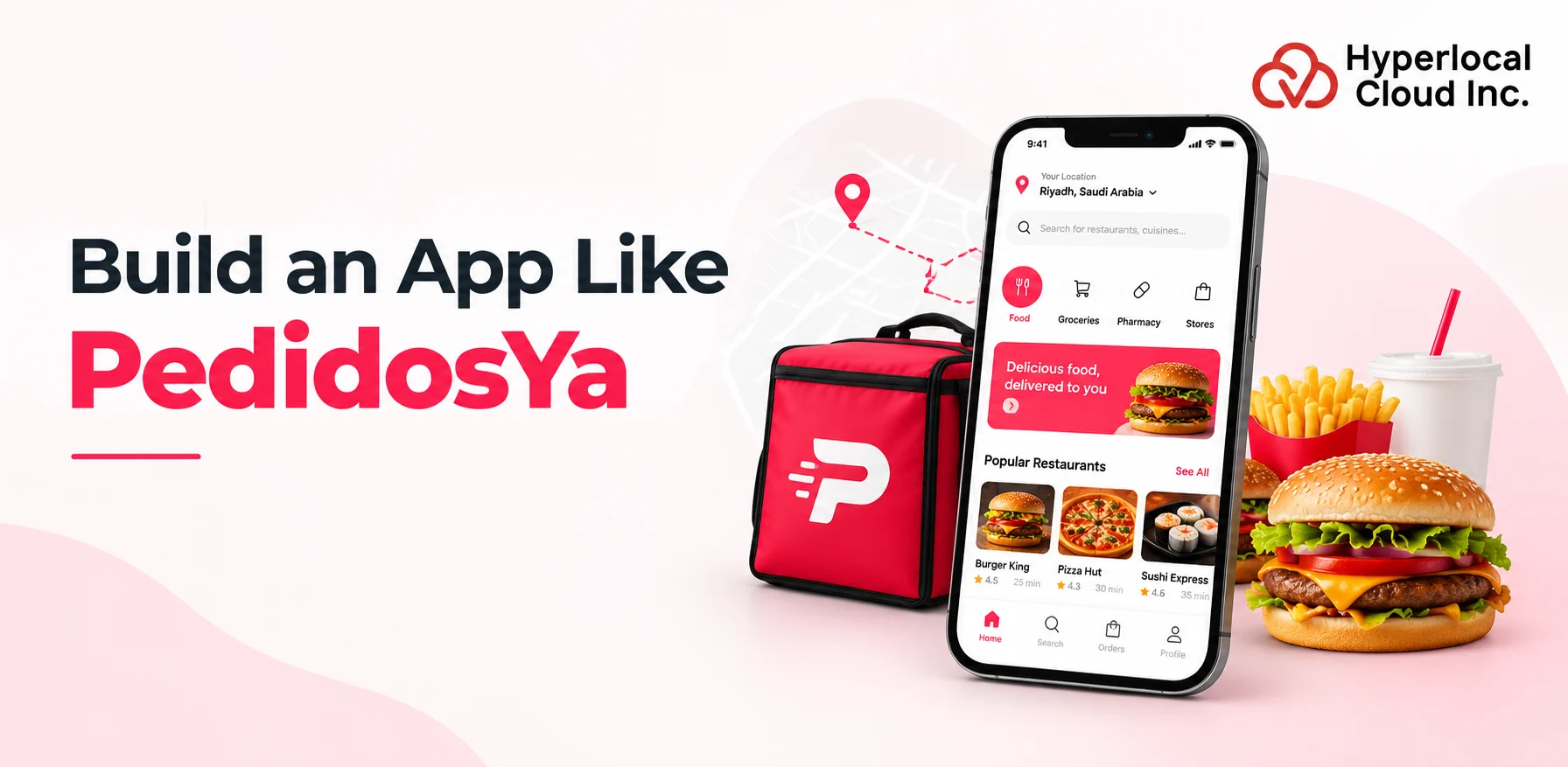
- A PedidosYa clone app helps businesses launch a delivery platform for food, groceries, medicines, and other daily needs.
- Multi-service delivery app development allows businesses to manage multiple services through one platform.
- A ready-made solution can help reduce development time and speed up market entry.
- White label delivery app solutions let businesses launch an app with their own brand name, logo, and design.
- The right PedidosYa clone app development solution can support business growth, improve customer experience, and create new revenue opportunities.
The on-demand delivery industry is transforming how consumers access food, groceries, medicines, and everyday essentials. However, customers still face limited convenience, delayed deliveries, fragmented ordering experiences, and a lack of reliable, all-in-one service platforms.
At the same time, restaurants, retailers, and local businesses struggle to expand their digital reach, manage deliveries, and convert online demand into consistent revenue. Platforms like PedidosYa address these challenges by bringing multiple services into one application and connecting consumers with local businesses through convenient ordering, digital payments, and delivery.
According to Grand View Research, it has been seen that the global food delivery service market size was valued at $380.4 billion in 2024 and is projected to grow to around $428.2 billion in 2026, and is further estimated to reach around $618.4 billion by 2030, at a CAGR of 9.0% from 2025 to 2030.
For entrepreneurs and enterprises, building a similar multi-service delivery app like PedidosYa presents an opportunity to meet evolving customer expectations, diversify revenue streams, strengthen merchant partnerships, and capture growth in the expanding on-demand economy.
What Is a PedidosYa Clone App?
A PedidosYa clone app is a ready-made delivery solution inspired by the core features of the PedidosYa platform. It lets businesses offer services such as food delivery, grocery delivery, pharmacy orders, and more through a single digital platform. With PedidosYa-like app development, startups and established businesses can launch a branded, multi-service, multi-language delivery application.
Build Your PedidosYa Clone App Today and Launch Faster!
How Does a PedidosYa-Like Delivery Platform Work?
A PedidosYa clone app connects customers, merchants, delivery partners, and admins through one platform. It helps businesses manage orders, payments, and deliveries through a simple and organized process.
1. Customer Places an Order
Customers browse nearby shops, choose products, add them to their cart, and pay using their preferred payment method. The app makes ordering quick and straightforward.
2. Merchant Receives the Order
The service provider receives the order details, confirms availability, and prepares the order for delivery. A merchant dashboard helps businesses manage orders and maintain service quality.
3. Delivery Partner Receives an Assignment
The platform assigns the order to a shipping partner based on elements that include region and availability. The delivery partner can view order details and follow the delivery path.
4. Customer Tracks the Order
Customers can track order status and the transport in real time. Timely updates help build trust and keep clients informed at every stage.
5. Admin Manages Transactions
The admin manages users, merchants, delivery partners, payments, commissions, and orders from a critical dashboard. These tools help businesses monitor day-to-day operations and maintain better control over the platform.
6. Order Completion, Feedback, and Support
Once the order is delivered, customers can leave reviews and star ratings. In-app support helps teams handle complaints, solve order problems, and improve provider performance.
Key Reasons that Compel Businesses to Build an App like PedidosYa
The growing demand for convenient online ordering creates new opportunities for startups and established businesses. Developing a PedidosYa clone app helps businesses enter the delivery market with a platform designed to serve customers, merchants, and delivery partners.
1. Serve Multiple Needs Through One Platform
A multi-service platform can support food, grocery, pharmacy, and other local delivery services in one place. Multi-service delivery app development helps businesses reach different customer groups and expand their service offerings.
2. Launch Faster With a Ready-Made Solution
A ready-made PedidosYa clone provides core delivery features that businesses can customize to match their goals. This approach can reduce development time compared with building every feature from scratch.
3. Create Multiple Revenue Streams
Businesses can earn through delivery fees, merchant commissions, subscription plans, and promotional listings. The right revenue model depends on the target market, service types, and business strategy.
4. Meet Growing Customer Expectations
Customers value easy ordering, secure payments, real-time tracking, and timely deliveries. On-demand delivery app development helps businesses offer these features and create a more convenient customer experience.
5. Expand Into New Markets
A flexible delivery platform can help businesses add new service categories, onboard more merchants, and reach new locations as demand grows. This makes PedidosYa-like app development a practical option for businesses planning long-term growth.
Essential Features of a PedidosYa Clone App
A successful PedidosYa clone app needs features that make ordering, selling, and delivery simple for everyone. The right mix of tools helps businesses manage daily operations, improve the customer experience, and support future growth.
Customer App Features
1. Registration and Profile Management
Let customers sign up with their email, phone number, or social accounts. Profile tools should help them manage personal details, saved addresses, and payment preferences.
2. Location-based Search and Filters
Help users find nearby restaurants, stores, and services based on their location. Filters for price, category, ratings, and delivery time make product discovery easier.
3. Restaurant Profiles and Product Customization
Show restaurant details, menus, product images, prices, and customer reviews. Let users customize items by selecting available add-ons, sizes, or preferences.
4. Cart, Payments, and Promo Codes
Let customers review their orders, apply discounts, and choose from available payment methods. Secure payment options and clear pricing help build trust and reduce checkout issues.
5. Live Order Tracking and Notifications
Provide real-time order status updates and delivery tracking. Push notifications can inform customers about order confirmation and delivery.
6. Ratings & Reviews
Allow customers to rate merchants and delivery partners and share feedback after an order. Reviews help businesses understand customer needs and improve service quality.
Merchant or Restaurant Panel Features
1. Merchant Registration and Onboarding
Allow merchants to register, submit business details, and upload the required documents. A streamlined onboarding process makes it easier for businesses to join the platform.
2. Menu, Pricing, and Availability Management
Let merchants add products, update prices, upload images, and manage stock or availability. These tools help keep product information accurate and up to date.
3. Order Acceptance and Preparation Status
Enable merchants to accept or reject orders and update preparation status. Timely order updates help delivery partners coordinate pickups and keep customers informed.
4. Reports and Performance Analytics
Provide reports on sales, order volume, popular products, and customer activity. These insights help merchants evaluate performance and make informed business decisions.
5. Commission and Payout Visibility
Give merchants a clear view of platform commissions, order earnings, deductions, and payouts. Transparent payment records help build trust between the platform and its business partners.
Delivery Partner App Features
1. Driver Onboarding and Verification
Allow delivery partners to register and submit identity, vehicle, and other required documents. Verification helps businesses maintain a reliable delivery network.
2. Order Assignment and Acceptance
Show available delivery requests with key order details and pickup locations. Delivery partners can accept assignments and manage their active deliveries through the app.
3. Navigation and Delivery Status Updates
Integrate maps and navigation tools to help drivers reach pickup and drop-off locations. Status updates keep customers and merchants informed throughout the delivery process.
4. Earnings, Availability, and Delivery History
Let drivers manage their availability, review completed deliveries, and track earnings. A clear earnings summary helps delivery partners monitor their work and payments.
Admin Dashboard Features
1. User, Merchant, and Driver Management
Allow admins to review accounts, verify registrations, manage permissions, and handle account issues. Centralized management helps maintain platform quality and security.
2. Service Zones and Delivery Fees
Let admins define service areas, set delivery charges, and manage location-based rules. These controls help businesses serve customers across different locations.
3. Commission Rules and Payment Reconciliation
Allow businesses to set commission rates for different merchants or service categories. Payment reconciliation tools help compare transactions, commissions, and payouts to keep financial records accurate.
4. Refunds and Dispute Management
Provide tools to review refund requests, handle order complaints, and resolve payment disputes. A clear process helps reduce delays and improve customer satisfaction.
5. Reporting, Analytics, and Access Controls
Offer reports on revenue, orders, customer activity, and delivery performance. Role-based access controls help ensure that team members can access only the tools and data they need.
Advanced Features for a Scalable Platform
Advanced tools help a PedidosYa clone app development project support more customers, services, and locations as the business grows. These features make the platform more adaptable to changing business needs.
1. Multi-Language and Multi-Currency Support
Support multiple languages and currencies to serve clients across different regions. This allows organizations to create a more convenient experience as they expand into new markets.
2. Scheduled Deliveries and Subscriptions
Allow customers to schedule orders for a preferred date and time or subscribe to recurring deliveries. These options can improve convenience and encourage repeat purchases.
3. Loyalty and Referral Programs
Reward clients with points, discounts, or special gifts for repeat orders and referrals. These programs can improve customer retention and attract new customers.
4. POS, Inventory, and Third-Party Integrations
Connect the platform to point-of-sale systems, inventory management, payment gateways, and other enterprise software. Integrations reduce manual work and keep enterprise information up to date.
5. Automated Dispatch and Route Optimization
Use smart dispatch guidelines to assign orders based on driver availability, location, and delivery needs. Route optimization can help reduce travel time and make deliveries more efficient.
Transform Your Business Idea Into a Scalable Delivery Platform Today!
Business Models You Can Build With a PedidosYa Clone
A PedidosYa clone can support different business models based on your target customers, service categories, and revenue goals. With the right on-demand delivery app development strategy, businesses can launch a focused delivery service or build a multi-service marketplace.
1. Restaurant Aggregator Marketplace
This model connects customers with a couple of eating places through an app. The business can generate revenue through restaurant commissions, delivery fees, paid listings, and promotional campaigns.
2. Hyperlocal Food Delivery Service
This model specializes in delivering food from nearby restaurants to customers in a specific area. It helps agencies build strong neighborhood partnerships and manage deliveries based primarily on nearby orders.
3. Grocery and Quick-Commerce Delivery
This version lets clients order groceries, household items, and daily essentials for delivery. Businesses can earn through product sales, delivery fees, merchant commissions, or club plans.
4. Multi-Category On-Demand Delivery
This model brings food, groceries, pharmacy products, personal care items, and different local offerings together in one platform. On-demand app development helps businesses attract specific customer segments and create multiple revenue streams.
What Can an App Like PedidosYa Deliver?
A PedidosYa clone app can support the delivery of a wide range of products and everyday essentials through one platform. Businesses can choose service categories based on customer needs, local demand, and their growth plans.
1. Food and Restaurant Orders
Connect customers with local restaurants, cafes, and takeaway outlets for easy online ordering.
2. Groceries and Daily Essentials
Help customers order fresh produce, packaged foods, and household items from nearby stores.
3. Pharmacy and Healthcare Products
Enable customers to order eligible pharmacy products and health essentials from local providers, subject to local laws.
4. Convenience Store Products
Offer snacks, beverages, personal care items, and other everyday products through quick delivery.
5. Retail and Specialty Products
Support deliveries from clothing stores, electronics shops, gift stores, and other local retailers.
6. Parcel and Local Delivery
Help users send documents, packages, and other permitted items between nearby locations.
How to Build an App Like PedidosYa
Building an app like PedidosYa starts with a clear business plan, the right technology, and a focus on customer needs. A structured PedidosYa clone app development process helps businesses launch with essential features and prepare for future expansion.
1. Define Your Target Market
Identify your goal customers, service location, and the goods or offerings you need to provide. Research nearby competition and client desires to choose a commercial enterprise model with strong market potential.
2. Choose Your Marketplace
Decide whether you need a restaurant marketplace, a grocery delivery app, or a multi-category platform. Your choice will determine the app features, service provider partnerships, transport method, and sales model.
3. Select a White-Label or Custom Solution
Choose a white-label delivery app for a faster launch with ready-made features, or opt for custom development if you need a more tailored platform. Compare the cost, setup time, customization options, and long-term support before making a decision.
4. Design an Intuitive UI/UX
Create an intuitive interface that makes it easy for customers to browse products, place orders, and schedule deliveries. Keep the service provider, delivery accomplice, and admin interfaces clear so every user can complete tasks with much less effort.
5. Integrate Essential Third-Party Services
Integrate essential tools, inclusive of price gateways, maps, push notifications, POS systems, and inventory software. The right integrations automate tasks and improve order and delivery control.
6. Test and Quality Analysis
Test the app across different devices and user roles to test its speed, security, billing, and order flow. Fix issues before launch to provide a smooth and reliable experience for customers, merchants, and transport partners.
7. Launch and Monitor Performance
Launch the app in your target marketplace and track key metrics such as order volume, sales, customer retention, and delivery time. Use user remarks and performance reviews to improve capabilities and plan future expansion.
Tech Stacks Used to Build a PedidosYa Clone App
The right technology stack helps your PedidosYa clone app deliver a smooth user experience, handle orders, and support business growth. Your development team should choose tools based on your budget, target market, required features, and future expansion plans.
| Category | Tech Stacks |
| Frontend Development | React, Next.js |
| Mobile App Development | Flutter, React Native, Kotlin, Swift |
| Backend Development | Node.js, Java |
| Database | PostgreSQL, MySQL, MongoDB |
| Cloud Hosting | AWS, Microsoft Azure, Google Cloud |
| Maps and Location | Google Maps Platform, Mapbox |
| Payment Integration | Stripe, PayPal |
| Notifications | Firebase Cloud Messaging, email and SMS services |
Who Should Invest in a PedidosYa-Like Platform?
A PedidosYa clone can suit businesses that want to enter the online delivery market, expand existing services, or connect local sellers with more customers. The best approach depends on your target audience, available resources, and business goals.
1. Startups and Entrepreneurs
Entrepreneurs can use a white-label delivery app to launch a branded delivery business without constructing every feature from scratch. This allows them to assess local demand and enter the marketplace faster.
2. Restaurant Chains and Food Businesses
Restaurants and food chains can launch their own ordering and shipping platform to manage customer orders and build direct relationships with consumers. The platform can also support partnerships with other local eateries.
3. Grocery Stores and Retailers
Grocery stores, supermarkets, and neighborhood shops can use an on-demand delivery platform to accept online orders and set up neighborhood deliveries. This enables them to reach customers who prefer buying from home.
4. Logistics and Delivery Companies
Logistics and delivery companies can use a PedidosYa-like platform to manage orders, assign transport partners, and monitor transport progress. It can also assist them in serving new enterprise clients and expanding their delivery offerings.
5. Multi-Service Marketplace Owners
Businesses that want to offer food, groceries, pharmacy merchandise, and different nearby offerings can spend money on multi-carrier transport app development. A single platform can connect multiple merchants and customer groups while supporting multiple sales streams.
Expand Your Business With a Powerful Multi-Service Delivery Application!
PedidosYa Clone vs. Building From Scratch
Choosing between a PedidosYa clone app and custom development depends on your launch timeline, budget, and feature needs. Both options can support a delivery business, but they differ in setup, flexibility, and development effort.
| Comparison Factor | PedidosYa Clone App | Building From Scratch |
| Development Time | Often faster with ready-made core features | Usually takes longer due to full development |
| Initial Cost | Can be lower when existing modules meet your needs | Can be higher due to design and development work |
| Customization | Depends on the solution and its source code access | Offers greater control over features and architecture |
| Core Features | Commonly includes ordering, payments, tracking, and user panels | Features must be planned and developed |
| Branding | A white label solution can use your business name and design | Branding can be built into every part of the product |
| Testing | Requires testing and customization of existing features | Requires testing of the complete custom solution |
| Scalability | Depends on architecture, code quality, and hosting | Can be designed around specific growth plans |
| Maintenance | Depends on the vendor agreement and support plan | Managed by your in-house team or development partner |
| Best For | Startups and businesses seeking a faster market entry | Businesses with unique workflows or advanced requirements |
Challenges in Launching a Food Delivery Marketplace and How to Address Them
Launching a food delivery marketplace involves more than building an app; businesses must manage merchants, delivery partners, payments, and customer needs. A well-planned delivery platform inspired by PedidosYa can help address these challenges with the right features and business processes.
1. Acquiring and Retaining Merchants
Attracting restaurants and nearby shops can be tough when your platform is new. Offer easy onboarding, transparent commission rates, clean reviews, and timely payouts to build strong merchant relationships.
2. Balancing Customer Demand
High order volumes and limited delivery capacity can lead to delays and missed orders. Use location-based assignments, driver availability monitoring, and demand reports to manage deliveries more efficiently.
3. Managing Delivery Times and Service Quality
Late deliveries and terrible service can reduce customer trust and repeat orders. Add order tracking, shipment updates, route planning, and service performance reports to improve the delivery experience.
4. Reducing Cancellations and Failed Orders
Incorrect product information, unavailable items, price errors, and long wait times can lead to cancellations. Use accurate inventory updates, order confirmations, clear shipping estimates, and timely notifications to lessen these problems.
5. Handling Refunds, Disputes, and Payment Reconciliation
Payment issues can have an effect on customer satisfaction and create troubles among merchants and platform owners. An improved PedidosYa clone app should cover transaction data, refund monitoring, dispute management, and clear fee reports.
6. Building Repeat Purchases and Customer Loyalty
Customers might also switch if they don’t find accurate provider or price information. Use loyalty factors, referral rewards, personalized gifts, and an easy ordering process to encourage repeat purchases.
How to Choose the Right PedidosYa Clone App Development Company
Choosing the right development partner is important for launching a reliable delivery platform and managing future scalability. Look for a company that understands your business model, offers flexible technology, and provides clear support after launch.
1. Review the Live Demo
Ask for a demo of the customer app, merchant panel, delivery partner app, and admin dashboard. Confirm the main functions suit your enterprise’s needs before deciding.
2. Verify Experience
Choose a team with experience in managing multiple merchants, order flows, commissions, and shipping partners. This understanding is especially useful for multi-carrier transport app improvement initiatives with several product categories.
3. Clarify Source-Code Ownership
Confirm whether or not you may own the source code or receive a license to use the software. Before signing the settlement, assess any limits on customization, resale, third-party tools, and future changes.
4. Check Customization Flexibility
Make sure the platform supports your branding, business policies, payment gateways, maps, and other required tools. A flexible white-label delivery app ought to assist you in adapting key functions to your commercial enterprise goals.
5. Understand Maintenance Support
Ask who will manage deployment, cloud hosting, backups, updates, and ongoing upkeep. Clear obligations help you estimate running costs and avoid sudden problems after launch.
6. Review Security Practices
Check how the corporation protects consumer records, secures payments, manages access, and fixes software issues. Confirm support hours, response times, and the process for dealing with important problems.
7. Evaluate Scalability and Future Costs
Ask how the platform will manage extra users, merchants, orders, and service locations over the years. Review the prices of adding capabilities, integrating new tools, and upgrading the device as your commercial enterprise expands.
8. Ask for Relevant Case Studies
Review previous initiatives that might be similar to your planned delivery market. Client feedback and real task examples let you verify that the company has relevant experience, communicates well, and delivers quality.
How Much Does It Cost to Develop a PedidosYa Clone?
For the development of a PedidosYa clone app, the cost starts at $6,000. Businesses will get their own multi-service delivery application at a budget-friendly price. However, there is a slight chance of an increase in the development cost if businesses consider the factors below.
- App Complexity
- AI-Driven Functionalities
- Third-Party Integrations
- Robust UI/UX
- Shorter Timeline
- Location-based Development
Additionally, partnering with an experienced on-demand app development company will provide businesses with round-the-clock support throughout the development journey.
How Does a PedidosYa Clone Make Money?
A PedidosYa clone can generate revenue through several channels, depending on its business model and target market. Combining suitable revenue streams can help platform owners cover operating costs and build a sustainable delivery business.
1. Commission on Merchant Orders
Charge restaurants and other merchants a percentage of each completed order placed through the platform. Commission rates can vary by provider category, merchant agreements, and business goals.
2. Customer Delivery and Service Fees
Collect shipping fees based on factors such as distance, order length, or delivery type. You can also charge a clearly disclosed service fee to assist with platform operations and order control costs.
3. Merchant Subscriptions and Premium Plans
Offer monthly or annual plans that give traders access to more tools, sales reviews, promotional capabilities, or lower fees. Subscription plans can offer a more predictable sales movement.
4. Sponsored Listings and In-App Advertising
Let traders pay for featured placements, promoted merchandise, or in-app banner ads. Clearly label paid content to help customers understand which listings are paid promotions.
5. Memberships and Loyalty Subscriptions
Offer customers a paid membership with benefits such as lower delivery prices, exclusive offers, or reward points. A well-designed membership program can inspire repeat orders and create recurring revenue.
6. Surge or Distance-Based Pricing
Charge higher shipping fees during peak demand or for longer transport distances, where policies allow. Display all fees clearly before checkout so clients can recognize the fees.
Ready to Build Your Pedidosya-Like App? Contact Us Today!
Bottom Line
The growing demand for convenience and instant access to everyday services is creating new opportunities in the on-demand delivery market. An app like PedidosYa demonstrates the potential of a multi-service platform to connect customers and businesses within one digital ecosystem. For entrepreneurs, investing in a similar solution can support growth, recurring revenue, and long-term business scalability. Businesses can hire Hyperlocal Cloud to get their dream application at a pocket-friendly price.
FAQs (Frequently Asked Questions)

Patt Cummins is an experienced content writer with over 10 years of experience creating clear and engaging content for technology-focused industries. He specializes in simplifying complex technical topics into easy-to-understand stories that educate readers, support brand communication, and help businesses effectively share their solutions.

Need Help With
Development?