

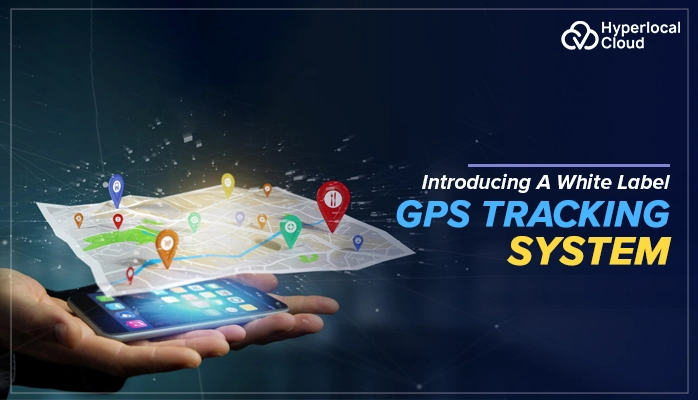
A GPS tracking system is a technology that allows people to locate someone, a vehicle, or an item at any given time. It works with the assistance of satellites orbiting Earth. These satellites send alerts to GPS devices, which use them to decide their region.
The GPS monitoring system is widely used in many industries and in everyday sports. For example, it’s widely utilized in automobiles to offer guidelines, in cell phones to share locations, and in corporations to track vehicles or valuable assets. Companies that control delivery services often use GPS monitoring structures to reveal their vehicles’ places and the time it takes them to reach their destinations. This enables them to plan higher routes and save time and gas.
Over time, GPS tracking software has become more affordable and simpler to use. They are available for small agencies and even private use. As technology continues to grow, GPS tracking systems are becoming more helpful in dealing with ordinary tasks.
What is a GPS Tracking System?
A GPS Tracking System is a technology that determines and displays the actual-time region of someone, an automobile, or an item using satellite signals. It works through the Global Positioning System. The GPS device receives these signals and calculates its genuine position based on time and distance. This region’s statistics are then transmitted via mobile or network to a server, where they may be accessed and displayed on digital maps for tracking and monitoring.
Start offering real-time tracking under your own brand
Why are Businesses Shifting to Asset Tracking Solutions?
All the relevant reasons are precisely mentioned below, which let you know why businesses are shifting to asset tracking solutions. By analyzing all these reasons, businesses can easily build their own GPS tracking software to facilitate a wide range of industries or individuals.
1. Growing Need for Better Asset Visibility
Businesses are transitioning to asset-monitoring solutions to benefit from higher visibility into their property. When belongings unfold throughout unique places, it will become hard to control them manually. GPS tracking permits agencies to look in which the whole thing is located without making phone calls or sending a team of workers to check.
2. Reducing Loss and Theft
Asset loss and theft can lead to high costs for groups. GPS monitoring helps reduce these dangers by providing real-time location data. If an asset is moved without permission or leaves a defined area, the tool can send an alert.
3. Improving Operational Efficiency
Many organizations are looking for ways to enhance their operations. Asset monitoring solutions help by showing how assets are being used. For instance, businesses can become aware of unused or underused gadgets and make higher use of them.
4. Supporting Data-Based Decisions
With GPS tracking, organizations receive continuous statistics about their property. This information can be used to study styles, improve planning, and make knowledgeable selections. Instead of guessing, businesses can depend upon real records to guide their movements.
Overview of the Benefits of the GPS Tracking System for Resellers, Telematics Companies, and IoT Providers
Get a complete overview of the benefits of the GPS tracking system, typically for resellers, telematics companies, and IoT providers. Here you will get the breakdown of benefits for each panel.
Benefits of GPS Tracking Systems for Resellers
1. Expanding Product Offerings
For resellers, GPS monitoring systems offer an opportunity to provide extra valuable products to clients. These software are in demand across many industries, along with transport, construction, and logistics. By adding asset monitoring solutions to their portfolio, resellers can attract a much wider consumer base.
2. Building Customer Relationships
GPS tracking systems often require ongoing services, including software access, updates, and support. This lets resellers build long-term relationships with customers in preference to making one-time sales. Regular interplay facilitates brand trust and consumer loyalty.
3. Generating Recurring Revenue
Many GPS tracking solutions are presented on a subscription basis. This creates a consistent and predictable profit flow for resellers. Instead of depending totally on new income, resellers can gain from ordinary payments.
Benefits for Telematics Companies
1. Enhancing Existing Solutions
Telematics organizations can use GPS tracking software to reinforce their modern-day offerings. By including asset-tracking capabilities, they can provide more complete solutions to their customers.
2. Access to Rich and Valuable Data
GPS tracking generates large quantities of records. Telematics agencies can analyze these statistics to provide insights into usage, overall performance, and conduct. These insights add value for clients and improve service excellence.
3. Meeting Industry-Specific Needs
Different industries have special monitoring needs. Telematics organizations can customize GPS tracking solutions to meet these needs. This flexibility lets them serve more sectors and grow their market.
Benefits for IoT Providers
1. Expanding IoT Use Cases
For IoT vendors, a GPS tracking system opens the door to new use instances. Asset monitoring is a practical and broadly demanding application of the IoT era. By supplying GPS-based solutions, IoT vendors can deliver real value to their customers worldwide.
2. Seamless Integration with IoT Platforms
GPS tracking structures can be easily included in present IoT systems. This allows IoT carriers to provide whole solutions that combine location records with different sensor information.
3. Supporting Scalable Business Models
IoT companies often serve groups that might be growing and expanding. GPS monitoring structures are scalable, meaning they can support a small range of properties or thousands. This makes them appropriate for agencies of all sizes and supports long-time period boom.
Difference Between White Label Solution & Custom Development
Review the information to get to know the key differentiation between a white label solution and a custom-based solution. To get a complete detail, just have a look at the information.
1. Time Required for Implementation
White label GPS monitoring platforms can be released quickly due to the fact they may already be built and tested. Businesses can begin supplying offerings within a short period of time. Custom-based solutions, on the other hand, require more time because the whole thing is built from scratch.
2. Level of Flexibility and Control
White label solutions provide limited flexibility. While branding and some features may be adjusted, the core system stays the same. Custom development presents full control over capabilities, design, and future adjustments, making it less complicated to adapt to unique desires.
3. Cost and Investment
White label GPS monitoring systems generally have lower upfront expenses. Businesses pay for licensing or subscriptions as opposed to for improvement. Custom improvement requires a better investment because of design, integrations, and testing charges. However, it may offer higher long-term value for huge or specialized operations.
4. Maintenance and Support
With white label solutions, upkeep and updates are handled by the issuer. This reduces technical tasks for the enterprise. In custom development, the enterprise is responsible for system upkeep, updates, and technical support, either through an internal team or an external accomplice.
Partner with us and launch your tracking service in days
Know the Key Industries that utilize GPS Platforms
Here is the list of key industries that utilize the software to automate their tasks. Just have a look at the information once.
1. Transportation and Logistics Industry
The transportation and logistics enterprise is amongst the biggest users of GPS tracking systems. Companies use tracking structures to monitor vehicle locations, manage delivery schedules, and enhance path planning. This facilitates lessening delays and improves purchaser satisfaction.
2. Construction and Heavy Equipment Industry
Construction agencies use GPS monitoring to track heavy devices and tools. These assets are often spread throughout multiple activity websites, making them tough to control. GPS tracking facilitates preventing robbery and guarantees that the device is used efficiently.
3. Fleet Management and Service Companies
Service businesses that perform fleet management, along with restoration services and shipping vendors, depend on GPS monitoring systems to manage everyday operations. Tracking helps enhance dispatching, lessen gasoline usage, and monitor driver activity.
4. Agriculture and Farming Industry
In agriculture, GPS monitoring structures are used to display farming equipment and vehicles. This facilitates farmers to manage big areas of land, plan operations, and decrease equipment downtime.
5. Healthcare and Emergency Services
Healthcare carriers and emergency offerings use GPS monitoring platforms to track ambulances and cell units. This guarantees faster reaction instances and better coordination in the course of emergencies.
How does GPS Tracking Software Work?
To know the working mechanism of the GPS tracking software, you should follow the steps discussed below. Follow the steps to start operating the software.
1. Role of GPS Satellites
A GPS monitoring device receives signals from multiple satellites concurrently. By evaluating those signals, the device can calculate its actual position.
2. Function of the GPS Tracking Device
The GPS monitoring tool is mounted on a car, an asset, or carried by someone. Once it receives location information from the satellites, it stores these records for a short time. The tool is designed to operate throughout unique environments and continue gathering data even if the asset is in motion.
3. Data Transmission to the Server
After accumulating region information, the GPS tool sends this data to a vital server. This has finished the use of mobile networks or wireless connections. The information is dispatched at regular intervals or during specific occasions, such as motion or entry into a described place.
4. Display of Information on the Software Platform
Once the facts reach the server, they are processed and displayed on a software platform. Users can get admission to this platform through a web browser or a mobile application. The platform displays maps, routes, reviews, and indicators in an easy-to-understand format.
Complete List of Key Features of a GPS Tracking System to Look For
Get the list of the emerging core features of a GPS tracking system that facilitate users, businesses, and administrators. All the required features are listed below. Just check it out.
1. Real-Time Location Tracking
Real-time monitoring enables customers to see an asset’s current location at any time. This characteristic allows corporations to respond quickly to modifications and control each day’s operations more effectively.
2. Historical Route Playback
This characteristic lets users view beyond routes and movement records. It is beneficial for reviewing trips, analyzing tour styles, and resolving disputes over routes or timings.
3. Geofencing Alerts
Geofencing allows users to set virtual obstacles on a map. When an asset enters or leaves a defined region, the device sends an alert. This facilitates improved security and screens unauthorized motion.
4. Speed Monitoring
Speed monitoring tracks an automobile or asset’s velocity. This feature facilitates safe driving behavior and reduces the risk of injuries.
5. Movement and Idle Detection
This function identifies when an asset is shifting or staying idle for long durations. It helps organizations recognize utilization patterns and reduce unnecessary downtime.
6. Mobile and Web Access
An excellent GPS monitoring system must be reachable via both mobile apps and web systems. This allows customers to access their belongings from anywhere, at any time.
7. Custom Alerts and Notifications
Custom alerts notify customers of approximately unique activities, including low battery, tool disconnection, or uncommon motion. These signals help customers take immediate action.
8. Battery Status Monitoring
The battery monitoring shows the GPS device’s present-day battery level. This prevents unexpected tool shutdowns and guarantees non-stop monitoring.
9. Reports and Data Analysis
GPS tracking offers specific insights into distance traveled and time spent. These reviews assist organizations in examining overall performance and improving planning.
10. Multi-Asset Management
This characteristic allows users to track and manage multiple properties from a single dashboard. It is especially beneficial for companies with big fleets or many belongings.
11. Device Health Monitoring
Device fitness tracking assesses the GPS device’s reputation, including signal strength and connectivity. This helps make sure the machine is running properly at all times.
12. Integration with Other Systems
Some GPS tracking systems can integrate with other business software, together with fleet control or asset management tools. This creates a more connected, greener workflow.
Key Capabilities of AI-Driven GPS Tracking Systems
All the required AI-driven key features that provide advancement to the software are listed below. Have a look at the information once.
1. Predictive Maintenance and Issue Detection
AI can observe information from GPS devices to predict when a car or asset may also need preservation. For instance, it is able to detect uncommon motion or extended inaction that may suggest trouble. This enables groups to address troubles earlier than they turn out to be severe.
2. Smart Route Analysis and Planning
An AI-driven GPS tracking system can analyze past routes and visitor patterns. This allows advocates of higher routes that save time and fuel. Over time, the gadget learns which routes work excellent underneath specific situations.
3. Behavior Analysis and Usage Patterns
AI can examine how drivers or belongings are used. It can pick out risky driving behavior or inefficient utilization patterns. These facts enable organizations to enhance schooling and reduce risks.
Scale your business with a ready-to-deploy tracking platform
How to Build a GPS Tracking Software?
For the development of a GPS tracking software, businesses or startups can leverage the steps mentioned below. From proper research to testing, every single step will be covered in detail. Implement all these steps to get robust software.
1. Define Business Goals and Use Cases
The first step in building a GPS monitoring software program is to genuinely define the goals. Businesses need to decide what they need to track and why. This includes figuring out the varieties of property, users, and required capabilities.
2. Choose the Right GPS Devices
The next step is deciding on GPS devices that are strong and innovative. Some devices are designed for automobiles, while others are higher for portable use. The devices have to be dependable and help record transmission over stable networks.
3. Set Up Data Communication and Storage
Once devices are selected, the platform ought to be capable of getting hold of and keeping information. This entails putting in place servers and verbal exchange channels. Data has to be stored securely and prepared to allow smooth get right of entry and evaluation.
4. Build the User Interface and Dashboard
The consumer interface is where customers interact with the gadget. It should present maps, reports, and signals in a simple, clean manner. A nicely-designed dashboard facilitates customers in understanding information without confusion.
5. Start the Development Process
The backend system strategies incoming GPS data. It handles tasks inclusive of statistics validation, storage, and rule-primarily based alerts. This part ensures that records are correct and ready for use by other components. However, at this point, businesses should decide whether they want a custom app development or simply want to develop the app with a white label solution.
6. Integrate AI and Data Analysis Tools
At this level, AI integration is going to be done in the software. These tools analyze historical and real-time statistics to offer insights. Integration must be done cautiously to ensure accurate outcomes and clean performance.
7. Test the System Thoroughly
Testing is an essential step before launching the software program. The device must be examined under exceptional situations to ensure accuracy and reliability. Any errors or problems have to be fixed throughout this stage.
8. Deploy and Monitor the System
After trying out, the GPS tracking software can be deployed. Ongoing tracking guarantees that the software continues to work as expected. Regular updates and enhancements help preserve the software’s reliability and stability.
Understand the Benefits of Using a White Label GPS Tracking System
Utilizing a white label GPS tracking system offers so many benefits to businesses. All these benefits encourage businesses to invest in a white label solution for the development of an affordable and easy-to-use software. Let’s have a look:
1. Faster Time to Market
A white label GPS tracking system allows corporations to release their offerings fast. Since the system is already developed, companies only need to use their branding and configure fundamental settings. This saves time and reduces the number of improvement attempts.
2. Lower Development and Maintenance Costs
White label solutions reduce the need for heavy funding in software development. The gadget company handles updates, fixes, and improvements. This lowers ongoing prices and decreases technical duties.
3. Custom Branding Opportunities
White label GPS tracking systems allow corporations to apply their very own logo, name, brand, and design factors. This allows creating a consistent logo identification and building consumer acceptance as true.
4. Proven and Tested Technology
White label software solutions are already examined in actual-world environments. This reduces the hazard of mistakes. Businesses benefit from a solid, dependable platform without prolonged testing phases.
5. Scalability and Business Growth
White label GPS tracking solutions are designed to guide growth. Businesses can effortlessly add new clients, gadgets, and functions as demand increases. This makes it easier to scale operations without essential adjustments.
Revenue Generation Model from a GPS Tracking System
Have a look at the foremost strategies discussed below, which help businesses to generate revenue from the asset tracking software. Just review the revenue model and start implementing to boost your earnings.
1. Subscription-Based Revenue Model
One of the most common approaches to generate revenue from a GPS tracking software is through subscriptions. Customers pay a monthly or annual fee to access the monitoring platform and its capabilities. This version offers constant and predictable profits for service vendors.
2. Hardware Sales Revenue
Many GPS tracking corporations earn revenue by way of promoting GPS tools. These gadgets are bought as one-time purchases along with the monitoring service. Hardware income assists in the recovery of preliminary costs and adds a further source of earnings.
3. Value-Added Services
Additional services, along with superior reviews, indicators, or custom integrations, may be provided at a further fee. These services offer more value to customers and grow overall revenue.
4. Enterprise and Custom Solutions
Large organizations frequently want custom GPS tracking solutions. These solutions might also include unique functions, dedicated guides, or gadget integrations. Providers can charge higher costs for these custom services.
How to Choose the Right White Label GPS Tracking Provider?
To choose a reliable white label GPS tracking software provider, businesses should keep in mind several steps. All the related steps that help businesses to find a trustworthy white label solution provider are discussed in detail below.
Platform Reliability
When selecting a white label solution provider, it’s important to confirm the platform’s reliability. The device should provide strong performance, correct monitoring, and minimal downtime. A reliable platform builds patron consideration.
Customization and Branding Options
A suitable company must allow complete branding alternatives. This includes emblems, colors, and area customization. Strong branding helps corporations present the gadget as their own.
Feature Set and Scalability
The provider should offer a wide range of functions that meet present-day and future needs. The platform needs to additionally be capable of taking care of growth as more devices and clients are added.
Technical Support
Reliable technical support is vital. The issuer must provide ongoing maintenance, updates, and brief difficulty resolution. Strong support reduces operational challenges.
Transparency
Clear, transparent pricing allows agencies to plan fees appropriately. There must be no hidden expenses or doubtful terms. Understanding pricing models enables avoiding unexpected costs.
Book a free demo and see how white label GPS works
How Much Does It Cost to Build a GPS Tracking Software?
To build a GPS tracking software, the cost starts at $10,000. The cost estimation is just to initiate the development process. However, there are many factors that contribute to fluctuations in the overall cost. That’s why determining a final development cost is quite tough until the development is complete. Still, we have mentioned several different aspects that raise the cost. Just have a look at each point carefully.
- Cost of GPS Hardware and Devices
- Software Development Costs
- Infrastructure and Hosting Costs
- Maintenance and Support Costs
- White Label vs Custom Development Cost Comparison
In Conclusion
Businesses that are looking to give a fresh start to their business should approach an experienced custom software development company. For that, partner with Hyperlocal Cloud, your trusted mobile app development partner who builds your dream GPS tracking system that meets all your business needs. Now, what should you do? All you need to do is to directly get in touch with our tech experts, with whom you will get complete support. Contact us to get a free consultation.

Patt Cummins is an experienced content writer with over 10 years of experience creating clear and engaging content for technology-focused industries. He specializes in simplifying complex technical topics into easy-to-understand stories that educate readers, support brand communication, and help businesses effectively share their solutions.

Need Help With
Development?