


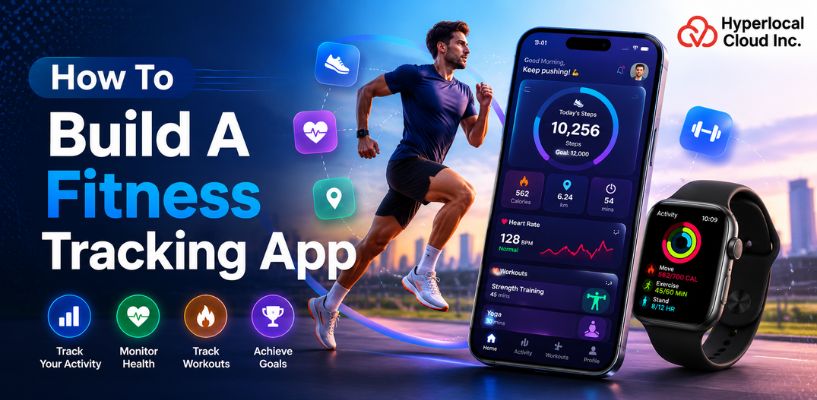
The global shift toward digital health and fitness has accelerated rapidly in recent years. More users now rely on smartphones and wearable devices to track workouts, monitor health metrics, and receive personalized fitness guidance without visiting gyms or hiring personal trainers.
This transformation has created a strong opportunity for businesses looking into fitness app development, especially as demand continues to grow across Gen Z, millennials, and even older age groups who are becoming increasingly health-conscious.
Whether you are a startup founder, a fitness brand, or an enterprise exploring digital transformation, understanding how to build a fitness tracking app is essential for entering this fast-growing market.
In this guide, we will break down everything from market trends and app types to features, development process, cost, and monetization strategies.
Fitness Apps Market Stats
- The global fitness app market is valued at $11–12 billion in 2023 and is projected to reach $20+ billion by 2028, growing at a CAGR of 12–13%.
- Over 400 million users worldwide actively use fitness apps, with Gen Z and millennials being the largest demographic.
- Subscription and freemium models generate the majority of revenue, while ads, in-app purchases, and corporate wellness programs provide additional income streams.
- Wearable integrations with devices like Apple Watch, Fitbit, and Garmin significantly boost user engagement and retention.
Start Building a Scalable Fitness App for Your Business Today
Types of Fitness Apps You Can Build
Before starting development, it is important to define the type of fitness solution you can build. The category directly impacts features, target audience, and monetization strategy. Given below are the different types of fitness apps that can help you manifest the answer to how to create a fitness tracking app that reforms the industry:
1. Activity Tracking Apps
These apps focus on monitoring daily physical activity using smartphone sensors or wearable integrations.
Common features:
- Step tracking
- Distance monitoring
- Sleep tracking
- Calorie burn estimation
- Activity history dashboards
These are ideal for users who want simple health monitoring without complex training programs.
2. Diet And Nutrition Apps
These apps help users manage diet plans, calorie intake, and nutritional goals.
Features include:
- Food logging and barcode scanning
- Calorie tracking
- Personalized meal plans
- Dietitian consultation features
- Recipe recommendations
They are often combined with workout apps for holistic fitness tracking.
3. Workout & Training Apps
Workout-focused apps provide structured exercise programs and guided training sessions.
Features include:
- Video-based workout tutorials
- Personalized training plans
- Progress tracking
- AI-based workout recommendations
- Gym and home workout routines
These apps are popular among fitness enthusiasts and beginners looking for structured guidance.
4. Yoga And Meditation App
These apps focus on mental wellness, flexibility, and mindfulness.
Features include:
- Guided meditation sessions
- Yoga pose tutorials
- Stress management programs
- Breathing exercises
- Sleep improvement routines
5. All-in-One Fitness Platforms
These platforms combine workouts, nutrition, wellness, and sometimes telehealth services.
Features include:
- Wearable integration (Apple Watch, Fitbit, etc.)
- AI-driven health insights
- Personalized dashboards
- Community and social features
- Teleconsultation support
Core Feature To Build a Fitness App
The success of a fitness app depends not on the number of features but on how effectively each feature improves user engagement and retention. Some features listed below:
1. User Profiles and Goal Setting
Users should be able to define fitness goals such as weight loss, muscle gain, endurance, or general wellness. Progress tracking is essential for motivation.
2. Activity Tracking and Wearable Integration
Real-time tracking using sensors and wearable devices improves accuracy and user experience. Integration with platforms like Apple Health and Google Fit is now expected.
3. Workout Libraries and Training Plans
A structured workout library helps users follow consistent routines. Advanced apps now use AI to generate personalized workout plans based on user performance and behavior.
4. Progress Tracking and Visualization
Visual dashboards, streak tracking, charts, and performance summaries help users stay motivated over time.
5. Social and Community Features
Features like leaderboards, challenges, and community groups increase engagement and encourage consistency.
6. Push Notifications and Reminders
Smart reminders improve retention when used correctly, but overuse can lead to app uninstalls.
7. AI-Based Personalization
AI can analyze user behavior and adjust workout intensity, diet plans, and recommendations for better outcomes.
8. Payment and Subscription System
Secure payment gateways like Stripe, Apple Pay, and Google Pay are essential for subscription-based fitness platforms.
Develop a Fitness App That Drives Growth and User Engagement
Fitness App Development Process (Step-by-Step)
A structured development approach is critical for building a scalable and successful fitness application.
1. Market Research and Planning
2. MVP Development Strategy
Start with a Minimum Viable Product (MVP) that includes only core features such as:
- User registration
- Basic activity tracking
- Workout modules
This helps validate the idea before investing in advanced features.
3. UI/UX Design
A well-designed user interface and seamless user experience are critical for fitness apps. Wireframes, prototypes, and design systems are created to ensure intuitive navigation, visually motivating dashboards, and easy access to key features. The design must engage users, encourage consistent app usage, and make complex features like workout tracking, diet logging, and wearable integrations feel simple and accessible. Proper UI/UX design directly impacts retention, satisfaction, and long-term engagement.
4. App Development (Frontend & Backend)
This stage focuses on building the app’s core functionality using modern frameworks for both iOS and Android.
- Flutter or React Native (cross-platform)
- Swift (iOS)
- Kotlin (Android)
Backend systems handle user data, analytics, and integrations. Efficient development ensures a smooth, responsive, and scalable app that delivers a seamless user experience.
How Much Does It Cost to Create an App for Fitness?
The cost of developing a fitness tracking app depends on several factors, including the app’s complexity, feature set, platform choice, and development team location. A simple app with basic tracking features and a clean interface will cost significantly less than a full-featured app with AI coaching, wearable integration, and social or gamification elements.
Development expenses also vary by region. For example, app developers in the U.S. or Western Europe charge higher hourly rates, while teams in Central Europe or Asia offer more cost-effective solutions without compromising quality. Choosing between in-house, freelance, or agency development further affects the budget.
On average, a moderately complex fitness app can start from $10,000, including design, backend, integrations, and testing. Starting with an MVP is a smart approach, allowing you to validate the core features and scale progressively while keeping costs under control.
Partner With Our Experts to Develop a High-performance Fitness App
Conclusion
Fitness tracking app development is no longer just about tracking steps or counting calories. It is about building an ecosystem that helps users stay consistent, motivated, and engaged with their health goals.
Whether you are planning to create a simple activity tracker or a full-scale health platform, success depends on how well you understand your users and how effectively your product adapts to their behavior.
With the right strategy, technology stack, and execution approach, a fitness app can become a highly scalable and profitable digital product in today’s health-first economy.

Patt Cummins is an experienced content writer with over 10 years of experience creating clear and engaging content for technology-focused industries. He specializes in simplifying complex technical topics into easy-to-understand stories that educate readers, support brand communication, and help businesses effectively share their solutions.

Need Help With
Development?