


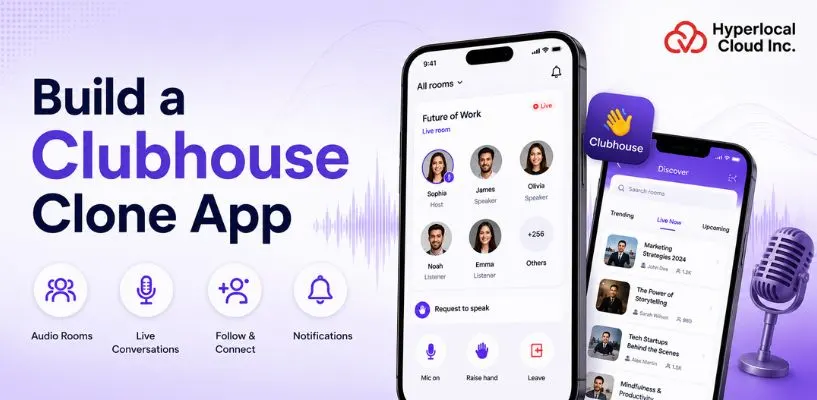
Audio-first social networking has become one of the fastest-growing segments of the digital landscape, offering users a more natural and engaging way to communicate. Instead of relying solely on text or video, voice-based platforms enable real-time conversations that build stronger communities and encourage meaningful interactions. As AI-powered features and low-latency streaming technologies continue to evolve, businesses and startups are increasingly exploring Clubhouse Clone solutions to launch their own voice-driven communities.
The popularity of audio social platforms extends well beyond casual networking. Industries such as education, healthcare, corporate communication, entertainment, and creator communities are adopting apps like Clubhouse to host live discussions, webinars, networking sessions, and interactive events. This growing demand has made developing an audio-based social media platform a promising opportunity for entrepreneurs looking to deliver unique and engaging user experiences.
In this guide, you’ll learn how to build a scalable Clubhouse Clone App in 2026, from planning your app’s features and choosing the right technology stack to implementing live audio streaming, AI-powered capabilities, monetization strategies, and security best practices. Whether you’re building a niche community platform or a full-scale audio social network, this guide will help you understand the key steps involved in creating a successful voice-first application.
What is a Clubhouse Clone?
A Clubhouse Clone App is a customizable audio social platform that replicates the core functionality of Clubhouse while allowing businesses to introduce their own branding, features, and user experience. Instead of developing an entire voice-based ecosystem from the beginning, entrepreneurs can use a proven framework and customize it according to their target audience and business objectives.
The primary purpose of an audio social platform is to enable real-time voice communication through virtual rooms where users can host discussions, participate in conversations, share knowledge, and build communities. Unlike traditional social networks, where users mainly consume content passively, voice-first platforms encourage direct interaction and meaningful engagement.
A modern Clubhouse Clone App typically includes:
- Live audio rooms
- User profiles
- Speaker and listener management
- Community creation
- Social networking features
- Real-time voice communication
- Notifications
- Search and discovery
- Moderation tools
- Monetization options
However, businesses are no longer limited to simply recreating existing features. A customized voice chat app development approach allows companies to add advanced capabilities such as AI-powered recommendations, automated moderation, multilingual conversations, subscription communities, analytics dashboards, and personalized user experiences.
Why Audio-Based Social Media Platforms Are Growing in 2026
The way people communicate online is changing. While text and video chat platforms continue to dominate social media, many users are now looking for simpler and more personal ways to connect. Voice-first communication brings a human element to digital interactions by allowing people to have real-time conversations, share ideas, and build relationships without the pressure of creating highly polished content. This shift has contributed to the rapid growth of audio-based social networking platforms in 2026.
One of the biggest advantages of audio communities is the level of engagement they create. Live discussions, interactive audio rooms, and topic-based conversations help users feel more connected compared to passive content consumption. Unlike video platforms, where creators often need cameras, editing tools, and production skills, audio platforms make participation much easier. Anyone with a smartphone and an internet connection can join conversations, host discussions, or share expertise, making these platforms more accessible for creators, professionals, and communities.
Technology advancements are also playing a major role in the growth of voice-based platforms. AI-powered features such as automated content moderation, speech recognition, personalized recommendations, and voice enhancement are helping improve the overall user experience. Businesses are also exploring these platforms for networking, customer engagement, online events, education, and professional communities.
Some key trends shaping the future of audio social platforms include:
AI-driven personalization: Platforms are using AI to recommend relevant rooms, communities, and discussions based on user interests.
Better real-time communication: Improved streaming infrastructure is reducing delays and enhancing voice quality.
Niche-based communities: Users are moving toward smaller, interest-focused groups rather than only large public platforms.
Creator monetization: More platforms are introducing subscriptions, paid rooms, and exclusive audio experiences.
Cross-industry adoption: Businesses, educators, influencers, and enterprises are using audio communities for different engagement purposes.
As users look for more authentic online interactions, audio social platforms are becoming a valuable way to build communities. Entrepreneurs can use these trends to create engaging platforms that encourage meaningful conversations and long-term user growth.
Must-Have Features of a Clubhouse Clone App
Building a successful Clubhouse Clone App requires more than just adding live audio functionality. Users expect a smooth, interactive, and community-focused experience that makes it easy to discover conversations, participate in discussions, and build connections. The right combination of social, audio, and engagement features helps create a platform that keeps users active and encourages long-term community growth.
Here are the essential features that every modern audio social platform should include:
User Registration & Authentication
A simple and secure onboarding process is the first step toward creating a positive user experience. Users should be able to sign up quickly using email, phone numbers, or social login options. Features like profile verification, password protection, and secure authentication help build trust and improve platform safety.
Live Audio Rooms
Live audio rooms are the core feature of any voice chat app like Clubhouse. Users should be able to create or join real-time discussions, host events, and participate in conversations with audiences of different sizes. Features such as room categories, audience controls, and interactive participation options help improve engagement.
Speaker & Listener Management
Managing participants is essential for maintaining organized conversations. Hosts should have the ability to invite speakers, move listeners to the speaker panel, mute participants, and control who can contribute to discussions. These controls help create a better experience for both hosts and audiences.
Room Scheduling
Scheduled rooms allow users and creators to plan upcoming discussions and notify their communities in advance. This feature is especially useful for webinars, professional networking sessions, educational events, and creator-led conversations.
Clubs & Communities
Community-building features help transform individual conversations into long-term user engagement. Users should be able to create, join, and manage interest-based groups where members can participate in regular discussions around specific topics.
Push Notifications
Timely notifications keep users connected and encourage repeat engagement. Notifications can alert users about upcoming rooms, followers going live, new community activities, invitations, and important updates.
Real-Time Voice Chat
High-quality real-time voice communication is the foundation of an audio social platform. A reliable real-time voice chat app should provide low-latency audio, stable connections, clear sound quality, and support for multiple speakers participating simultaneously.
Search & Discovery
A strong discovery system helps users find relevant conversations, creators, and communities. Search functionality can include trending rooms, recommended discussions, popular creators, and interest-based suggestions to improve content discovery.
In-App Messaging
While audio conversations are the main focus, private messaging adds another layer of interaction. Users can communicate directly, share updates, send invitations, and continue conversations beyond live audio sessions.
Moderation Tools
Safety and community management are critical for any social platform. Moderation features allow hosts and administrators to manage inappropriate behavior, report users, remove participants, and maintain a healthy environment.
AI-Powered Features
AI is becoming an important part of modern audio chat app development, helping platforms improve user experience, content quality, and community management. Some useful AI-powered features include:
Live Transcription: Converts real-time conversations into text, making discussions easier to follow and searchable.
Voice Moderation: Detects harmful content, abusive language, or policy violations to maintain safer communities.
Smart Recommendations: Suggests relevant rooms, creators, and communities based on user interests and previous activity.
By combining these features with scalable infrastructure, businesses can create a powerful Live Audio Streaming App that delivers seamless conversations, meaningful interactions, and a community experience designed for long-term growth.
Build Your Clubhouse Clone With Live Audio, AI Features, and Scalable Community Solutions
Step-by-Step Guide to Build a Clubhouse Clone App
Developing a successful Clubhouse Clone App requires careful planning, technical decisions, and a clear understanding of the target audience. A structured development approach helps businesses create a scalable product while reducing unnecessary costs.
Step 1: Define Your Target Audience and Niche
Before starting development, it is important to identify the target audience and purpose of your platform. A clear niche helps you design relevant features, attract the right users, and create a stronger community experience.
Some popular niches for an audio social platform include:
- Business networking: Create spaces where professionals can discuss industry trends, share knowledge, and build connections.
- Gaming communities: Enable gamers to host discussions, strategy sessions, and community events.
- Education: Support virtual classrooms, expert sessions, and interactive learning experiences.
- Healthcare: Provide platforms for discussions, support groups, and professional knowledge sharing.
- Podcasts: Allow creators to host live podcast sessions and engage directly with listeners.
- Creator communities: Help influencers and content creators build exclusive communities around their audiences.
Step 2: Research Your Competitors
Analyzing existing Apps Like Clubhouse helps you understand market expectations and identify opportunities for improvement. Study popular audio platforms to learn what features attract users and where competitors may have limitations.
During competitor research, focus on:
- User experience and app design
- Audio quality and performance
- Community-building features
- Monetization options
- User engagement strategies
- Strengths and weaknesses
This research helps you create a unique value proposition instead of simply copying existing platforms.
Step 3: Design the User Experience
A smooth user experience plays a major role in the success of an audio social platform. The design should make it easy for users to discover rooms, join conversations, and interact with communities.
Important UX elements include:
User journey:
Map the complete user flow, from account creation and profile setup to joining rooms and participating in discussions.
Audio room flow:
Design a simple process for creating rooms, inviting speakers, managing listeners, and ending sessions.
Community engagement:
Include features that encourage interaction, such as following users, joining clubs, receiving notifications, and discovering relevant conversations.
Step 4: Choose the Right Technology Stack
The technology stack determines the performance, scalability, and reliability of your Audio Chat App Development process. Choosing the right tools ensures smooth real-time communication and supports future growth.
A typical technology stack may include:
|
Component |
Purpose |
| Frontend | Builds the mobile or web interface users interact with |
| Backend | Handles business logic, user management, and platform operations |
| Database | Stores user data, profiles, communities, and activity records |
| Cloud Hosting | Provides scalable infrastructure and reliable performance |
| APIs | Enables integrations such as authentication, notifications, and analytics |
| Real-Time Communication Technology | Supports live audio streaming and low-latency voice interactions |
For a successful Live Audio Streaming App, technologies supporting real-time communication, high availability, and efficient data handling are essential.
Step 5: Develop the MVP
Starting with a (Minimum Viable Product) MVP app development company allows businesses to launch quickly and validate their idea with real users. The MVP should include the core features needed to deliver the main experience.
Common MVP features include:
- User registration
- User profiles
- Live audio rooms
- Speaker and listener controls
- Basic search functionality
- Notifications
- Community creation
After collecting user feedback, additional features can be introduced based on demand.
Step 6: Test Performance & Scalability
Testing ensures that the platform can handle real-world usage without performance issues. Since audio platforms depend heavily on real-time communication, testing should focus on speed, reliability, and user experience.
Important testing areas include:
- Audio quality and latency
- Multiple users joining simultaneously
- Server performance
- Network stability
- Security vulnerabilities
- App responsiveness across devices
Scalability testing is especially important for platforms expecting large communities and high concurrent users.
Step 7: Launch and Gather Feedback
After testing, launch the platform with a targeted audience and monitor user behavior. Early feedback helps identify usability issues, feature requests, and areas for improvement.
Track important metrics such as:
- User retention
- Session duration
- Room participation
- Community growth
- Feature engagement
Continuous improvements based on feedback help create a platform users want to return to.
Step 8: Scale with New Features
Once the platform gains traction, businesses can expand functionality with advanced features to improve engagement and monetization.
Future enhancements may include:
- AI-powered recommendations
- Live transcription
- Advanced moderation tools
- Subscription-based communities
- Creator monetization options
- Analytics dashboards
- Multilingual support
- Integration with other digital platforms
A successful Clubhouse clone is not built only around technology; it is built around creating meaningful interactions and communities. By following a structured development approach, businesses can create a scalable audio social platform that adapts to changing user needs and market trends.
Technology Stack for Audio Chat App Development
Choosing the right technology stack is one of the most important decisions when building an Audio Chat App Development solution. A well-planned tech stack ensures smooth performance, high-quality voice communication, better security, and the ability to scale as the user base grows.
Since audio social platforms rely heavily on real-time communication, developers need technologies that can handle low-latency voice streaming, large numbers of concurrent users, and seamless interactions across devices. The ideal technology combination depends on the platform’s goals, target audience, budget, and future expansion plans.
Here is a general technology stack commonly used for building a modern Live Audio Streaming App:
|
Development Area |
Popular Technology Options |
Purpose |
| Mobile Frameworks | Flutter, React Native, Swift (iOS), Kotlin (Android) | Used to build fast, responsive mobile applications with smooth user experiences across platforms. |
| Backend Technologies | Node.js, Python, Java, Go, .NET | Handles server-side operations, user management, APIs, business logic, and real-time communication processes. |
| Databases | PostgreSQL, MySQL, MongoDB, Redis | Stores user profiles, communities, room data, messages, activity records, and real-time information. |
| Cloud Services | AWS, Google Cloud, Microsoft Azure | Provides scalable hosting, storage, server management, and infrastructure support for growing platforms. |
| Live Audio Streaming Technologies | WebRTC, Agora, Twilio, LiveKit | Enables real-time voice communication with low latency and reliable audio quality. |
| Authentication | Firebase Authentication, OAuth, JWT, Auth0 | Provides secure user login, identity verification, and account management. |
| Notifications | Firebase Cloud Messaging (FCM), Apple Push Notification Service (APNs) | Sends alerts for upcoming rooms, messages, invitations, and community updates. |
| Analytics | Google Analytics, Firebase Analytics, Mixpanel, Amplitude | Tracks user behavior, engagement patterns, retention, and feature performance. |
For a scalable live audio networking platform like Clubhouse, technologies such as WebRTC-based communication, cloud infrastructure, and real-time databases play a crucial role in maintaining smooth conversations. The platform should also be designed with flexibility in mind so new features, AI capabilities, and increased user demand can be supported as the community grows.
Selecting the right technology stack is not only about choosing popular tools; it is about creating a reliable foundation that delivers excellent audio quality, fast performance, and a seamless experience for users.
Choose the Right Technology and Build a Scalable App With Our Expert Developers
How Live Audio Streaming Works
Live audio streaming is the core technology behind any successful Live Audio Streaming App. Unlike traditional audio content that can be downloaded or played later, live streaming requires instant communication between speakers and listeners with minimal delay. A well-designed streaming system ensures that conversations feel natural, interactive, and uninterrupted, even when thousands of users are participating at the same time.
Real-Time Voice Communication
Real-time voice communication allows users to speak and listen instantly without noticeable delays. When a user starts talking in an audio room, their voice is captured through the device microphone, processed, transmitted through the network, and delivered to other participants within milliseconds.
Technologies such as WebRTC are commonly used to enable real-time communication because they support direct audio transmission, reduce latency, and provide reliable connections across different devices and networks.
Audio Encoding
Before voice data can be transmitted, it needs to be compressed and converted into a digital format through audio encoding. Since raw audio files are large and difficult to stream in real time, codecs reduce the data size while maintaining clear sound quality.
Efficient encoding ensures users experience clear conversations without excessive data usage or delays.
Streaming Protocols
Streaming protocols determine how audio data travels between users and servers. The right protocol helps maintain stable connections and improves the overall performance of a Real-Time Voice Chat App.
Common technologies used for live audio streaming include:
- WebRTC: Provides low-latency voice communication.
- RTMP: Supports live broadcasting workflows.
- SRT: Improves reliability on unstable networks.
- WebSockets: Enable real-time data exchange.
For interactive audio platforms, low-latency technologies are preferred because users need immediate responses during conversations.
Low Latency Considerations
Latency is one of the biggest factors that affect the quality of a voice-based platform. Even a small delay can make conversations feel unnatural, especially during live discussions, interviews, or networking events.
To reduce latency, developers focus on:
- Optimizing audio compression
- Using efficient streaming protocols
- Selecting nearby server locations
- Managing network conditions
- Reducing unnecessary processing steps
A successful Voice Chat App Like Clubhouse needs a balance between audio quality, connection stability, and response speed.
Server Infrastructure
A strong server infrastructure helps manage thousands or millions of simultaneous audio connections. Cloud platforms are commonly used because they provide flexible resources and allow businesses to scale based on demand.
A typical live audio architecture includes:
- Application servers: Manage users, rooms, permissions, and platform logic.
- Media servers: Handle audio processing and distribution.
- Content delivery networks (CDNs): Improve global accessibility and reduce delays.
- Databases: Store user information, communities, and platform activity.
To overcome these challenges, businesses should build a scalable architecture from the beginning. Proper cloud infrastructure, optimized streaming technology, and continuous performance monitoring help create a reliable Clubhouse Clone App that supports long-term growth.
How AI Features Are Transforming Audio Social Platforms
Artificial intelligence is becoming one of the biggest opportunities for improving voice-based applications. A modern Clubhouse Clone App can leverage AI App Development Services to create smarter, safer, and more personalized experiences.
Speech-to-Text Conversion
Speech-to-text technology converts live conversations into written content in real time. This feature improves accessibility by allowing users to follow discussions through captions and helps make audio content searchable after conversations end.
For example, recorded discussions, expert sessions, or educational talks can be automatically converted into text, making valuable content easier to discover and reuse.
AI Content Moderation
Maintaining a safe and positive environment is one of the biggest challenges for social platforms. AI-powered moderation tools can analyze conversations, identify harmful behavior, detect inappropriate language, and support moderators in managing large communities.
These systems help reduce manual moderation efforts while creating a safer experience for users participating in live audio discussions.
Voice Quality Enhancement
Clear audio quality is essential for any Live Audio Streaming App. AI-based voice enhancement technologies can automatically reduce background noise, improve voice clarity, balance audio levels, and remove unwanted interruptions.
These improvements help deliver a professional-quality listening experience, even when users are joining conversations from different environments or network conditions.
Smart Room Recommendations
With thousands of conversations happening across an audio platform, users need help discovering discussions that match their interests. AI recommendation systems analyze user behavior, preferences, and previous interactions to suggest relevant rooms, creators, and communities.
Personalized recommendations can increase user engagement by helping people discover conversations they are more likely to participate in.
Automated Community Management
Managing large communities requires continuous monitoring and organization. AI can assist with tasks such as identifying inactive groups, highlighting trending discussions, managing frequently asked questions, and supporting community administrators.
Automation allows platform owners and moderators to focus more on improving the community experience rather than handling repetitive tasks.
Multilingual Live Translation
As audio platforms attract global audiences, language barriers can limit user participation. AI-powered live translation enables users to communicate across different languages by translating conversations in real time.
This feature can help businesses create more inclusive communities and expand their reach to international audiences.
Security and Privacy Considerations For Clubhouse Clone App
Security and privacy are essential considerations when developing an audio-based social media platform. Since these platforms handle personal information, voice conversations, community interactions, and potentially recorded content, businesses must implement strong protection measures from the beginning. A secure platform not only protects users but also builds trust and encourages long-term engagement.
End-to-End Encryption (Where Applicable)
Encryption helps protect sensitive user information and private communications from unauthorized access. For specific communication features, implementing encryption methods ensures that user data remains protected during transmission.
While implementing encryption for live audio can vary depending on the platform architecture, businesses should evaluate the right security approach based on their use cases, compliance requirements, and privacy expectations.
User Authentication
A secure authentication system is the foundation of a reliable audio social platform. Users should have safe and convenient login options while ensuring that unauthorized access is prevented.
Common authentication practices include:
- Secure email or phone-based login
- Social media authentication
- Multi-factor authentication (MFA)
- Identity verification for specific communities
Strong authentication helps protect user accounts and reduces the risk of fake profiles or unauthorized activity.
Role-Based Permissions
Role-based access control allows platforms to manage different levels of user authority. This is especially important for audio rooms where hosts, speakers, listeners, moderators, and administrators require different permissions.
For example:
- Hosts can manage speakers and control discussions
- Moderators can remove users and handle reports
- Administrators can manage platform-wide settings
Proper permission management creates a more organized and safer community environment.
Abuse Reporting
A successful Voice Chat App Like Clubhouse needs effective tools to handle inappropriate behavior and maintain community standards. Users should be able to easily report harmful content, abusive users, or policy violations.
Platforms can improve safety by including:
- User reporting options
- Content review workflows
- Moderator dashboards
- Automated abuse detection
These features help create a respectful environment where users feel comfortable participating.
GDPR Compliance
For platforms serving users in regions covered by GDPR, following data privacy regulations is important. Businesses must provide transparency around how user data is collected, stored, processed, and used.
Important GDPR considerations include:
- User consent management
- Data access and deletion options
- Clear privacy policies
- Secure handling of personal information
Compliance with privacy regulations helps businesses build credibility and maintain user confidence.
Data Protection
Protecting user data should be a continuous process throughout the platform lifecycle. Businesses should implement security practices that safeguard user profiles, conversations, payment details, and other sensitive information.
Key data protection measures include:
- Secure database management
- Data encryption
- Regular security testing
- Access control systems
- Backup and recovery strategies
A strong data protection framework reduces security risks and improves platform reliability.
Audio Recording Policies
If a platform supports recorded audio rooms, users should have clear information about how recordings are handled. Transparency around recording practices is important for maintaining user trust.
Businesses should define:
- When audio recording is enabled
- How users provide consent
- Who can access recordings
- How long are recordings stored
- Whether users can request deletion
By prioritizing security and privacy, businesses can create a trustworthy Clubhouse Clone App that delivers engaging voice experiences while protecting user information and maintaining a safe digital community.
How Much Does It Cost to Build a Clubhouse Clone App?
The app development cost for a platform like Clubhouse depends on several factors, including the complexity of features, development approach, technology stack, platform requirements, and the level of customization needed. A basic MVP with essential audio features will require a smaller investment, while a full-scale audio social platform with AI capabilities, advanced moderation, and enterprise-level scalability will involve a higher budget.
Instead of focusing only on development hours, businesses should consider the complete product lifecycle, including design, backend infrastructure, real-time audio technology, testing, deployment, and ongoing improvements.
Estimated Cost Breakdown for Building a Clubhouse Clone App
| Development Stage | Estimated Cost (INR) |
|---|---|
| UI/UX Design | ₹5,000 – ₹8,000 |
| Mobile App Development | ₹20,000 – ₹25,000 |
| Backend Development | ₹15,000 – ₹18,000 |
| Live Audio Integration | ₹8,000 – ₹10,000 |
| QA & Testing | ₹4,000 – ₹5,000 |
| Deployment & App Launch | ₹2,000 – ₹4,000 |
| Estimated MVP Cost | ₹55,000 – ₹70,000 |
Want an Accurate Estimate for Your Clubhouse Clone Idea?
How Long Does It Take to Build a Clubhouse Clone App?
The development timeline depends on the complexity of the platform, the number of features, the team size, and the technology approach.
A general timeline may look like this:
| Development Stage | Estimated Time |
| Research and Planning | 2–4 weeks |
| UI/UX Design | 3–6 weeks |
| MVP Development | 3–5 months |
| Advanced Feature Development | 3–6 additional months |
| Testing and Launch Preparation | 4–8 weeks |
A basic MVP can be launched faster with essential features such as:
- User registration
- Profiles
- Live audio rooms
- Basic moderation
- Notifications
Advanced platforms with AI features, monetization, analytics, and enterprise capabilities require more development time.
Common Challenges in Building a Real-Time Voice Chat App
Developing a Real-Time Voice Chat App involves more than adding audio communication features. Unlike traditional social apps, voice platforms require highly reliable infrastructure, fast data transmission, and strong community management systems to deliver smooth conversations. Even small performance issues can affect user experience, especially when multiple people are participating in live discussions.
Here are some of the common challenges businesses need to consider when building an audio social platform:
Low Latency Communication
Low latency is one of the biggest technical challenges in live audio applications. Users expect conversations to happen naturally, without noticeable delays between speaking and hearing responses.
To achieve smooth real-time communication, developers need to optimize:
- Audio transmission speed
- Streaming protocols
- Server locations
- Network routing
- Data processing time
A delay of even a few seconds can disrupt conversations, making reliable low-latency infrastructure essential for a successful Voice Chat App Like Clubhouse.
Audio Quality Optimization
Maintaining consistent audio quality across different devices and network conditions is another major challenge. Poor sound quality, background noise, interruptions, or dropped audio can quickly impact user engagement.
Developers need to focus on:
- Efficient audio compression
- Noise cancellation
- Voice enhancement
- Adaptive bitrate streaming
- Microphone compatibility
Using advanced audio processing technologies helps ensure clear conversations and a better user experience.
Scaling Concurrent Users
As an audio platform grows, supporting thousands or millions of simultaneous users becomes increasingly complex. A popular live room can generate significant server and bandwidth requirements within a short period.
To handle growth effectively, platforms need:
- Scalable cloud infrastructure
- Load balancing
- Efficient media servers
- Real-time monitoring systems
- Optimized database performance
A scalable architecture ensures the platform remains stable even during high-traffic events or large community discussions.
Moderation at Scale
Managing user behavior becomes more challenging as communities expand. Audio platforms need effective moderation systems to prevent abuse, harassment, misinformation, and inappropriate content.
Large-scale moderation may require:
- AI-powered content monitoring
- User reporting systems
- Moderator dashboards
- Community guidelines
- Automated detection tools
Combining AI assistance with human moderation helps maintain a safer environment without slowing down user interactions.
Network Instability
Users may access audio platforms from different locations, devices, and network conditions. Poor internet connectivity can lead to audio delays, connection drops, or reduced sound quality.
To improve reliability, developers can implement:
- Adaptive streaming technologies
- Automatic quality adjustments
- Network condition monitoring
- Connection recovery mechanisms
These features help maintain smoother conversations even when users experience unstable connections.
Cross-Platform Compatibility
Supporting multiple devices and operating systems is another important challenge. Users expect the same quality experience whether they are accessing the platform through iOS, Android, or web applications.
Developers need to ensure:
- Consistent app performance across platforms
- Device compatibility
- Smooth user interface experiences
- Proper integration with different hardware capabilities
A well-optimized cross-platform approach helps businesses reach a wider audience while maintaining a reliable audio experience.
Future Trends in Audio Social Apps
The audio social media industry is continuing to evolve as new technologies change how people communicate and build communities online. In 2026 and beyond, successful audio platforms will focus on creating smarter, more personalized, and immersive experiences that go beyond traditional voice conversations.
AI-Powered Voice Assistants
AI-powered voice assistants are expected to become an important part of audio social platforms. These assistants can help users discover conversations, summarize discussions, answer questions, manage communities, and improve overall platform navigation.
For example, an AI assistant could provide highlights from missed discussions or help users find relevant rooms based on their interests.
Advanced Voice Search
As voice technology becomes more advanced, voice search will play a bigger role in content discovery. Users will be able to find communities, creators, and discussions by simply using voice commands instead of manually typing search queries.
This can make audio platforms more accessible and improve the overall discovery experience.
Personalized Communities
Future audio platforms will move toward highly personalized community experiences. Instead of browsing through random conversations, users will discover rooms and groups based on their interests, behavior, expertise, and previous interactions.
Personalized communities can improve engagement by helping users connect with conversations that are more meaningful to them.
Spatial Audio Experiences
Spatial audio technology can make online conversations feel more natural and immersive. By creating a sense of direction and presence, spatial audio can improve experiences such as virtual events, professional networking sessions, and interactive discussions.
This technology has the potential to make digital conversations feel closer to real-world interactions.
Immersive Virtual Networking
The future of audio social platforms may combine voice communication with virtual environments to create more engaging networking experiences. Virtual spaces can allow users to attend events, connect with professionals, and participate in interactive discussions in a more immersive way.
AI-Powered Moderation Becoming Standard
As communities continue to grow, AI-powered moderation will become a standard feature for maintaining safe and healthy conversations. AI tools can help detect harmful content, identify policy violations, and support moderators in managing large-scale communities.
Why Choose Professional Audio Chat App Development?
Building a voice-first platform requires expertise in real-time communication, cloud infrastructure, moderation systems, and mobile development. A specialized development team can help avoid common issues such as audio delays, scalability problems, and unreliable room experiences.
Faster Time to Market
Building a voice-first platform requires expertise in real-time communication, cloud infrastructure, moderation systems, and mobile development. A specialized development team can help avoid common issues such as audio delays, scalability problems, and unreliable room experiences.
Scalable Architecture
A professional development approach focuses on building a strong technical foundation that can support future growth. Scalable architecture ensures the platform can handle increasing users, larger communities, and advanced features without major performance issues.
Better Security and Maintenance
Security is a critical part of any social platform. Professional developers can implement secure authentication, data protection practices, privacy controls, and moderation systems to protect users and platform data.
Custom Feature Development
Every business has different goals and target audiences. A professional development team can create customized features, such as AI tools, monetization options, niche communities, analytics dashboards, and integrations, tailored to specific requirements.
Long-Term Support and Maintenance
Launching the app is only the beginning. Continuous maintenance, performance optimization, security updates, and feature improvements help keep the platform competitive and provide a better user experience over time.
Ready to Build Your Audio-first Community Platform?
Conclusion
Building a successful Clubhouse Clone App requires more than developing live audio functionality. Businesses need to focus on creating meaningful communities, delivering smooth real-time communication, and choosing technologies that can support long-term growth.
From defining the right niche and selecting a scalable technology stack to implementing AI features, security measures, and user engagement strategies, every stage of development plays an important role in the platform’s success. A strong foundation ensures the app can adapt to changing user expectations and market trends.
As audio-based communities continue to grow, entrepreneurs have a valuable opportunity to create platforms that connect people through authentic conversations. By focusing on scalability, innovation, and community-driven experiences, businesses can build a successful audio social platform that stands out in the competitive digital landscape.

Nisha Bagga is a technical writer with more than 7 years of experience creating high-quality content for a wide range of industries. She specializes in developing clear, engaging, and well-researched technical and business content tailored to diverse audiences and industry requirements.

Need Help With
Development?