

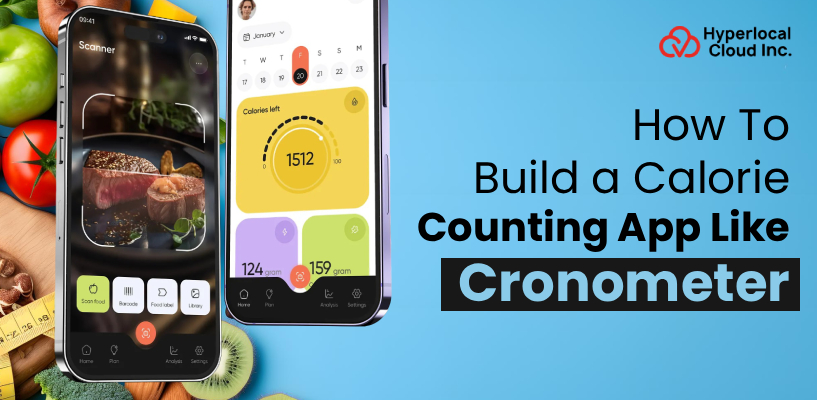
Nowadays, each and every human is looking forward to maintaining their health, and with the digital application, it might get easier for them. One of the most significant shifts we’re seeing is the growing interest in health, weight management, and the importance of proper nutrition. This has led to the extreme popularity of the Cronometer application, which results in businesses now moving to develop their own calorie-counting app similar to Cronometer.
Overall, the marketplace for calorie-counting apps is growing quickly. People are now not truly looking for simple tracking equipment. They need smart, special, and easy-to-use apps that help them gain long-term health goals. This creates an extremely good possibility for each person making plans to assemble an app much like Cronometer.
What is the Cronometer App?
Cronometer is a famous fitness and nutrition monitoring app that allows customers to reveal their everyday food intake and standard weight-reduction plan.
The app has a large, established food database, so the nutritional facts are correct and dependable. Users can search for meal items, test barcodes, or add custom recipes. This makes it very smooth to log meals and keep track of what they devour at some point in the day.
Have an idea? Let’s discuss how to build it.
Explore How to Operate A Cronometer Clone App
To operate a calorie-counting app like Cronometer, users and businesses are required to follow the steps that are mentioned below. All these steps make it easier for users to operate the application in order to track their daily calories. Just have a look at the information below:
1. User Registration and Profile Setup
The first step in the use of an app like Cronometer is creating an account. Users are part of by providing easy information, such as age, gender, height, weight, and interest level. These statistics are very vital, because it enables the app to calculate every day calorie and diet wishes.
2. Food Logging and Tracking
One of the primary features of apps like Cronometer is food monitoring. Users can log the whole thing they intake at some point during the day. Once the meal is delivered, the app automatically calculates the calories and vitamins. This makes the approach fast and convenient.
3. Nutritional Analysis and Insights
After food is logged, the app provides detailed nutritional information. Unlike basic apps, platforms like Cronometer go deeper and show:
- Calories consumed
- Macronutrients like protein, fats, and carbohydrates
- Micronutrients like vitamins and minerals
4. Activity Tracking and Integration
Another crucial feature is activity tracking. Many apps connect to health devices, which include smartwatches and health bands. By combining meal intake and pastime records, the app offers an entire review of a consumer’s health. This facilitates customers to stabilize their diet and exercise more efficiently.
5. Progress Monitoring and Goal Adjustment
Apps like Cronometer additionally help customers track their development over time. They can see changes in weight, calorie consumption, and nutrient intake. If preferred, customers can alter their desires at any time.
What Are the Advantages of a Calorie Counting App Like Cronometer?
Numerous advantages exist that facilitate both users and businesses. However, from all the advantages, below we have mentioned the most essential ones that help both panels.
Advantages for Users
1. Better Awareness of Eating Habits
Apps like Cronometer assist users in understanding what they may be consuming every day. Many people do not recognize how many calories they consume. By tracking meals, users become extra aware of their behavior and might make better meal picks.
2. Easy Weight Management
Whether a person wants to shed pounds or gain muscle, those apps offer the right guidance. They display how many calories users must devour day by day and help them live within that limit. This makes weight control greater and less complicated.
3. Detailed Nutrition Information
One of the largest benefits is getting access to unique nutrient information. Users can see not only energy, but also vitamins and minerals. This could be very beneficial for humans with particular fitness desires or nutritional preferences.
4. Motivation and Consistency
Regularly monitoring progress helps customers stay inspired. When human beings see their enhancements, they sense an obligation to preserve. Apps like Cronometer often encompass reminders and progress charts, which aid consistency.
5. Personalized Experience
These apps offer a custom-designed experience based on personal dreams. From food plans to calorie targets, everything is tailored to the person. This makes the app extra beneficial and engaging.
Advantages for Businesses
1. Growing Market Demand
The health and health enterprise is expanding swiftly. More people are specializing in well-being and nutrition. Building an app like Cronometer allows businesses to enter a growing market with a strong demand.
2. Multiple Revenue Opportunities
Calorie-counting apps can generate income in various ways, creating a steady, scalable revenue model.
- Subscription plans for premium features
- In-app purchases
- Advertisements
- Partnerships with fitness brands
3. High User Engagement
Health apps are used day by day, occasionally multiple times a day. Users log meals, check progress, and reveal interest often. This ends in high engagement, which benefits long-term business growth.
4. Data-Driven Insights
Such apps accumulate precious user information related to meal behavior, health routines, and health goals. Businesses can use these facts to improve their services, offer higher suggestions, and create focused advertising and marketing techniques.
5. Brand Positioning in Health Tech
Launching an app like Cronometer helps agencies set themselves up in the fitness and health industry. It builds acceptance among users and opens the door to destiny innovations, including AI-based health coaching or integration with healthcare offerings.
The Core Features of a Calorie Counter App Like Cronometer
An app like Cronometer comes with numerous features in order to provide a seamless user experience to your target audience. That’s why the following are some emerging features of a calorie-counting application that you need to check out.
1. Easy User Registration and Profile Setup
The first step is to make onboarding simple. Users want a fast way to sign in, such as using email or social media accounts. After signing up, the app has to guide users to enter information like age, weight, height, gender, and fitness desires. This allows the app to offer customized guidelines.
2. Personalized Calorie Goals
Every consumer is unique. Some want to shed pounds, while others want to gain or maintain them. The app must calculate day-by-day calorie needs based on the consumer’s profile and goals. It has to additionally alter these desires as the person progresses.
3. Food Database with Detailed Nutritional Information
A strong food database is the spine of the app. It wishes to include lots of food gadgets, alongside neighborhood and global dishes. Each food item is required to reveal special dietary facts, which include power, protein, fats, carbohydrates, nutrients, and minerals.
4. Barcode Scanner for Food Logging
Logging meals manually may be time-consuming. A barcode scanner makes it less complicated. Users can clearly test packaged food items to add them to their daily log right away. This improves comfort and saves time.
5. Meal Logging and Daily Diary
The app has to permit users to log food, which includes breakfast, lunch, dinner, and snacks. A day-by-day diary view permits customers to see what they’ve eaten and how much energy they have consumed.
6. Nutrient Tracking Beyond Calories
Modern users need more than calorie tracking. The app has to combine nutrients together with protein, fiber, sugar, and sodium. This permits users to comprehend the quality of their food plan, no longer simply the amount.
7. Water Intake Tracking
Staying hydrated can be vital for regular fitness. The app should permit customers to log their regular water intake and set reminders to drink water often.
8. Exercise and Activity Tracking
Users need to be capable of logging their physical activities, which include taking walks, going for walks, fitness tracking, and yoga. The app should calculate the total energy burned and regulate the last calorie allowance, therefore.
9. Progress Tracking and Analytics
Tracking progress keeps customers inspired. The app must show charts and graphs for weight adjustments, calorie consumption, and nutrient consumption over the years. This allows users to see their enhancements truly.
10. Goal Setting and Reminders
Users ought to be able to set short-term and long-term goals. The app can deliver reminders for food, workout routines, and hydration to keep customers heading in the right direction.
11. Recipe Creation and Custom Meals
Users regularly prepare dinner domestically. The app needs to permit them to create custom recipes with the aid of adding ingredients. It should mechanically calculate the dietary fee of the complete meal.
12. Offline Access
Not all customers have regular net get entries, too. The app should allow fundamental functions like food logging and diary entry, even if offline. Data can sync when the net is available.
13. Integration with Wearable Devices
Many customers use health trackers and smartwatches. The app ought to automatically connect those gadgets to track steps, heart rate, and energy burned.
14. Community and Social Sharing
A network feature can raise motivation. Users can share their progress, achievements, and pointers with others. This creates an experience of aid and engagement.
Start building your calorie tracking app today
AI-Driven Integrations in an App Like Cronometer
Integration of Artificial Technologies makes the application advanced and robust, which helps businesses to streamline their operations with ease. These advanced integrations attract more users and enhance their experience, too.
1. Smart Food Recognition
AI can enable users to take an image of their meal and automatically identify its contents. The app can then estimate energy and vitamins, making food logging faster and simpler.
2. Personalized Diet Recommendations
AI can examine consumer conduct, alternatives, and goals. Based on these statistics, it could advocate meal plans, healthier alternatives, and portion sizes tailored to every user.
3. Predictive Calorie Suggestions
AI can predict what a user may eat primarily based on past habits. It can endorse common foods, helping customers quickly log their meals.
4. Intelligent Coaching and Feedback
AI can act like a digital coach. It can examine user facts and offer pointers which include “growth protein intake” or “lessen sugar consumption.” This helps customers make better decisions.
5. Voice-Based Food Logging
Users can log meals using voice instructions. AI can apprehend natural language and convert spoken input into established food entries.
6. Behavior Analysis and Habit Tracking
AI can discover styles in ingesting behavior. For instance, it can be aware of late-night snacking or irregular meal times and suggest upgrades.
7. Real-Time Nutritional Alerts
AI can ship signals if users exceed positive limits, along with sugar or sodium consumption. This enables customers to live within healthy limits and avoid negative nutritional alternatives.
8. Smart Grocery Suggestions
Based on the person’s healthy eating plan, AI can propose grocery items. It may even create a purchasing list that aligns with the consumer’s dietary desires.
9. Integration with Health Data Systems
AI can integrate facts from a couple of resources, like wearables and health apps. It can offer a complete view of the person’s health, which includes sleep, interests, and vitamins.
10. Adaptive Goal Adjustment
AI can robotically regulate calorie and health desires based on progress. For example, if a person is losing weight too fast or too slowly, the app can update its suggestions accordingly.
How to Build a Calorie Counting App Like Cronometer?
The vital steps, utilized by an experienced healthcare software development company for the development of a calorie-counting app like Cronometer, are listed below. Businesses can review these steps in order to consider them in their business to build a productive application.
1. Start with Market Research and Idea Validation
Before you start improving, you want to recognize the market. Study apps like Cronometer to look at what they offer. Look at user critiques and comments. This will help you understand what customers like and what issues they face.
2. Define Your App Goals and Features
Once your research is complete, the subsequent step is to define what your app will do. Write down all the functions you want to encompass, including calorie monitoring, meal logging, and development reviews. You ought to start with primary features first and then plan superior functions for later updates.
3. Create a Simple and Clean UI/UX Design
A calorie-counting app needs to be easy to apply. Users ought not to feel careworn while navigating the app. Design a clean layout with simple menus, clear buttons, and clean navigation. Make sure the food logging system is brief and easy. A right layout improves user experience and keeps users engaged in the long term.
4. Choose the Right Development Approach
You need to decide whether to build a native app, a hybrid app, or an internet app. Choose the technique that aligns with your budget, timeline, and commercial enterprise desires.
5. Start the Development
The development phase starts with the core expertise of frontend and backend developers who ensure to utilize a user-friendly interface and the right programming languages in the app. Meanwhile, businesses choose whether they want a pre-built mobile app with the utilization of a white label solution or simply a mobile app that is developed from scratch. All these factors are crucial for creating and launching a top-notch application.
6. Add Essential Features
Now it is time to add core features such as:
- Meal tracking
- Barcode scanning
- Water tracking
- Exercise logging
- Progress monitoring
Make sure all features work properly and are easy to use.
7. Test the App Thoroughly
Testing is a totally crucial step. You have to check for bugs, slow overall performance, and consumer interface issues. Test the app on distinctive devices and screen sizes to make sure it works properly for all users.
8. Launch and Gather Feedback
Once checking out is complete, you can release your app. After launch, accumulate consumer remarks and evaluations. These remarks will help you enhance your app and upload new features in future updates.
9. Maintain and Update the App
App improvement does not stop after release. You need to update the app regularly to fix bugs, improve performance, and add new features. Keeping the app up to date enables you to compete in the market.
Hire our developers to build your calorie tracking app
List of the Tech Stack to Integrate into the Cronometer Clone App
All experienced custom software app development companies often utilize a wide range of tech stacks for the development of a mobile app. We have mentioned the most essential tech stacks that are utilized to build an app like Cronometer. Just have a look at the table:
| Category | Tech Stack |
| Frontend Technologies | React Native, Flutter, Swift, Kotlin |
| Backend Technologies | Node.js, Django, Ruby on Rails |
| Database Solutions | MongoDB, PostgreSQL, MySQL |
| APIs for Food and Nutrition Data | Edamam API, Nutritionix API |
| Cloud and Storage Services | Amazon Web Services, Google Cloud Platform, Firebase |
| Authentication and Security Tools | OAuth, JWT |
| Third-Party Integrations | Google Fit, Apple Health |
| Analytics and Monitoring Tools | Google Analytics, Mixpanel |
Know the Key Users of an App Like Cronometer
The calorie-counting app is versatile and comes with a user-friendly interface that enables users from different industries to leverage it to automate their health. That’s why below you will get a complete list for the same.
1. Fitness Enthusiasts
Fitness fanatics need to screen their calorie and protein consumption, in addition to their overall nutrition, to enhance their overall performance. So they often utilize the application to automate their healthy schedule.
2. Athletes and Sports Professionals
Athletes need a unique nutrient plan. They regularly comply with strict diets to enhance performance, build muscle, or get better after schooling. A calorie-counting app facilitates them to keep the proper balance of vitamins and energy.
3. Dietitians and Nutrition Experts
Professionals, including dietitians and nutritionists, additionally use those apps. They use them to create weight loss program plans for clients and track their progress over time. An app with specified reviews and sharing alternatives may be very useful for this organization.
4. Health-Conscious Individuals
Some customers without a doubt need to live a healthier life. They might not have a strict diet, but they need to recognize what they’re ingesting and make higher picks. For them, the app acts as a manual for constructing better conduct.
How a Cronometer Clone App is Worthwhile in the Future
There are several reasons that make the Cronometer clone app a worthwhile option for businesses that want to start their business journey with a cutting-edge mobile app solution. Below you can see all the relatable reasons.
1. Growing Awareness About Health
People have become extra privy to their health and lifestyle. They are paying more attention to what they eat and how it affects their bodies. This will focus on the growing demand for apps that can help track health and enhance fitness.
2. Rise of Digital Health Solutions
Many customers now pick virtual answers over conventional strategies. Instead of writing meal logs in notebooks, they use mobile apps for convenience. This shift towards virtual equipment makes calorie-tracking apps extra relevant than ever.
3. Demand for Personalized Experiences
Users now expect apps to offer personalized guidelines. They want meal recommendations, diet plans, and insights based on their habits. This creates a possibility to apply advanced technologies, along with AI, to improve the person’s enjoyment.
4. Expansion of the Fitness Industry
The health enterprise is developing unexpectedly internationally. From gyms to online health packages, human beings are investing more in their fitness. A calorie-counting app suits flawlessly into this growing ecosystem.
Partner with us to launch your app faster
Steps to Generate Revenue from an App Like Cronometer
To boost the overall business earnings, businesses can opt for the monetization methods that are discussed below. These proficient ways of revenue-generation will help businesses to increase their overall ROI.
1. Freemium Model
This is one of the most famous strategies. You can offer basic capabilities totally free and free users for advanced capabilities.
2. Subscription Plans
You can offer monthly or yearly subscription plans. Subscribers can access premium features, including custom diet plans, professional recommendations, and superior monitoring equipment. This version guarantees constant and ordinary income.
3. In-App Advertisements
You can show ads within the app. These commercials can be associated with fitness items or meal manufacturers. However, it’s crucial to make sure that advertisements do not disturb the user.
4. Paid Consultations
You can connect users with dietitians and health professionals. Users can pay for consultations and personalized recommendations. This feature is especially useful for customers with particular fitness desires.
5. Affiliate Marketing
You can suggest fitness items that include supplements, fitness tools, or wholesome food items. When customers buy through your app, you earn a fee. This is a simple way to generate additional earnings.
In Conclusion
At this point, businesses that are all set to dive into healthcare business ideas with a cutting-edge mobile app solution can invest in a calorie-counting app like Cronometer to transform the way people lead a healthy lifestyle. For this, businesses are required to approach an experienced mobile app development company, and Hyperlocal Cloud is the leading one to do so. Our team of highly-skilled developers ensures to deliver an up-to-date and advanced application to our clients so that they can streamline their business operations with accuracy. Want to know more? Just contact us and start building your dream application with our expertise.

Patt Cummins is an experienced content writer with over 10 years of experience creating clear and engaging content for technology-focused industries. He specializes in simplifying complex technical topics into easy-to-understand stories that educate readers, support brand communication, and help businesses effectively share their solutions.

Need Help With
Development?