

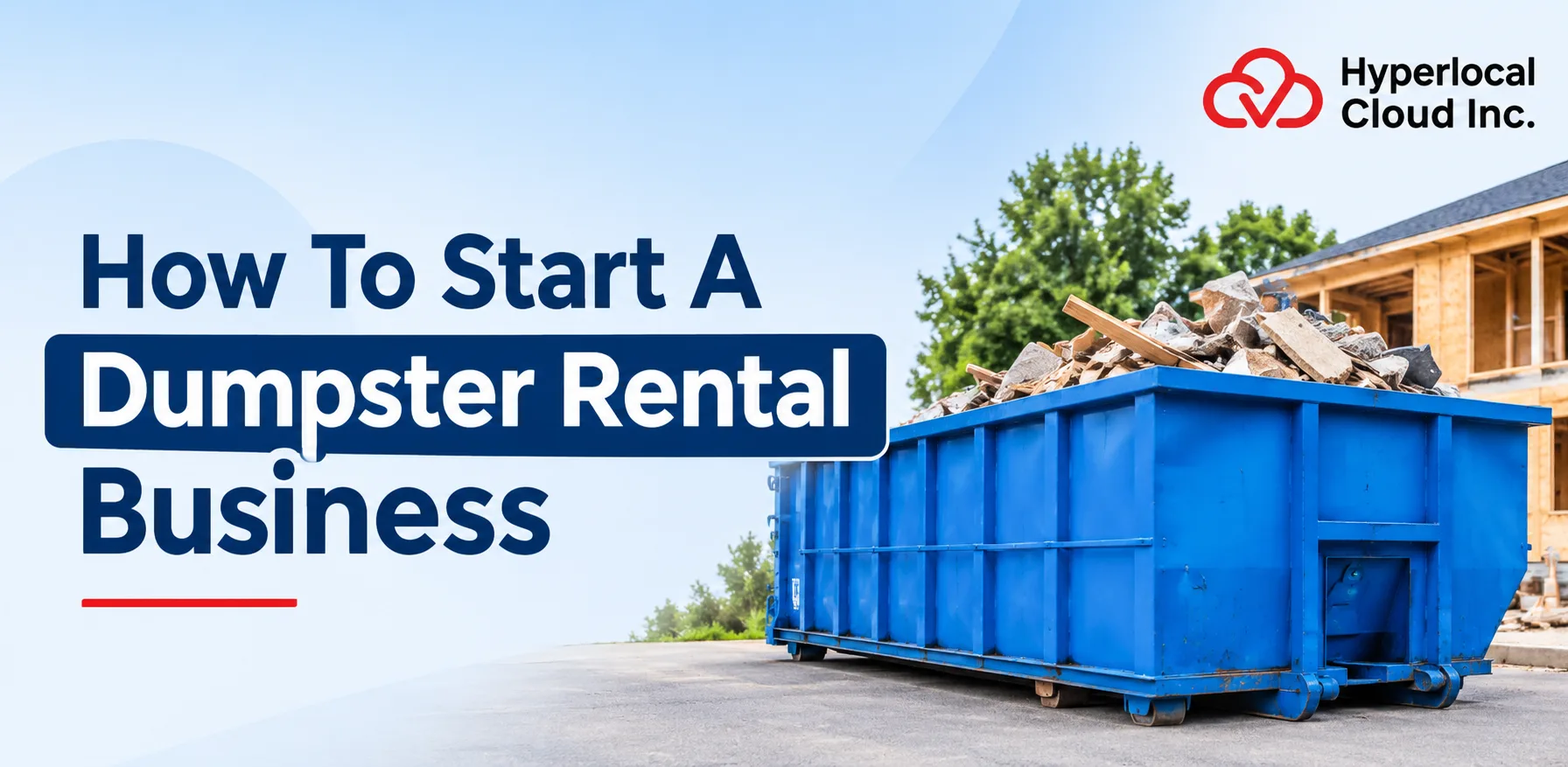
Starting a dumpster rental business in 2027 can be a promising opportunity for entrepreneurs interested in waste management and equipment rental. Homeowners, construction contractors, and commercial property managers regularly need dumpsters for renovations, cleanouts, and waste disposal, creating demand for reliable rental services.
According to the U.S. Environmental Protection Agency (EPA), the United States generated approximately 600 million tons of construction and demolition debris in 2018. This highlights the need for organized waste collection, transportation, recycling, and disposal services. Source: EPA – Construction and Demolition Debris.
However, launching this business requires more than purchasing trucks and dumpsters. Entrepreneurs must evaluate startup costs, equipment requirements, disposal regulations, pricing strategies, and customer demand. This guide explains how to start a dumpster rental business, generate revenue, manage operations, and build a scalable business in 2027.
Is Starting A Dumpster Rental Business Profitable?
Yes, a dumpster rental business can be profitable when equipment is utilized consistently, operating expenses are controlled, and rental prices cover transportation and disposal costs. Its earning potential comes from renting dumpsters repeatedly rather than selling them after a single transaction. A company can serve residential customers, construction contractors, commercial properties, and renovation companies using the same equipment inventory.
Another important factor is equipment utilization. A dumpster sitting unused in a storage yard does not generate rental revenue, but it still represents an investment that requires maintenance and storage. Business owners should monitor how frequently each container is rented, how long it remains with customers, and how quickly it becomes available for another booking.
Commercial contracts can also improve revenue predictability. Agreements with construction companies, property managers, and renovation contractors may generate regular rental requirements. Entrepreneurs evaluating different investment opportunities can also explore these business ideas to compare potential markets before committing capital.
Start Your Dumpster Rental Business With the Right Strategy Today
Understand How The Dumpster Rental Business Model Works
A dumpster rental business provides temporary or ongoing waste containers to customers who need a convenient way to collect and remove unwanted materials. The company delivers a suitable dumpster to the customer’s property or job site, allows it to remain there for an agreed rental period, and collects it when the customer is finished.
After pickup, the dumpster is transported to an authorized landfill, transfer station, or recycling facility, depending on the type of waste collected and local disposal requirements. Once emptied and prepared for another rental, the container can be assigned to a new customer.
The business generally earns money through rental charges, delivery and pickup fees, disposal charges, and additional services. Some companies include a specific rental duration and weight allowance in their standard package, while others use customized pricing based on customer requirements.
Businesses that want to offer multiple rental categories through a single digital platform can consider an online rental marketplace, where customers can discover available equipment and submit rental requests.
Residential Dumpster Rental
Residential rentals serve homeowners undertaking activities such as home renovation, garage cleaning, landscaping, roofing, and property maintenance. These customers generally need dumpsters for a limited period and prefer straightforward pricing with convenient delivery and pickup.
Smaller and medium-sized containers are often suitable for residential projects. Business owners can attract these customers through local search marketing, partnerships with home improvement contractors, and online booking facilities.
Commercial Dumpster Rental
Commercial rentals target retail stores, offices, warehouses, restaurants, and other businesses that produce regular waste. Depending on the customer’s requirements, rental agreements can range from temporary cleanup arrangements to ongoing waste collection services.
This segment can provide recurring revenue opportunities because businesses often need waste containers throughout their operating schedules. Establishing long-term agreements can also reduce the cost of acquiring new customers for every rental.
Construction And Renovation Dumpster Rental
Construction and renovation projects generate materials that require organized collection and transportation. Contractors may need multiple dumpsters during different project stages, depending on the volume and type of debris.
A dumpster rental company can work directly with builders, demolition contractors, roofing companies, and property developers. Reliable delivery schedules and suitable container capacities are important because delays in waste removal can disrupt project activities.
Long-Term Dumpster Rental Contracts
Some customers require dumpsters for several weeks or months rather than a few days. Long-term agreements are particularly relevant for construction sites, commercial facilities, and property management companies.
These contracts allow businesses to establish predictable rental income. However, companies should define rental periods, weight allowances, pickup schedules, and additional charges clearly to protect their operating margins.
10 Steps To Start A Dumpster Rental Business In 2027
Starting this business requires careful planning because equipment purchases, transportation, and disposal arrangements can account for a significant portion of the initial investment. The following steps provide a practical approach to launching operations.
1. Research Your Local Market And Competitors
Before purchasing equipment, evaluate the demand for dumpster rental services in your intended service area. A location with residential renovation activity, construction projects, commercial properties, and property maintenance businesses may offer multiple customer segments.
Begin by identifying the types of customers who regularly need waste containers. Research local construction companies, roofing contractors, remodeling businesses, property managers, and homeowners. Their requirements can help determine which dumpster sizes and rental durations are most relevant.
Competitor research is equally important. Examine existing rental providers, their container capacities, service areas, delivery schedules, pricing structures, and customer reviews. Look for gaps such as limited weekend availability, slow delivery, insufficient dumpster options, or poor online booking experiences.
You should also investigate local disposal facilities and transportation distances. A market with strong demand may still be difficult to serve profitably if disposal facilities are far away or charge high processing fees.
2. Create A Dumpster Rental Business Plan
A business plan provides a financial and operational roadmap before you commit significant capital. It should explain what services you intend to offer, who your customers will be, how you will acquire equipment, and how the company will generate revenue.
Start by selecting your business model. You may focus on residential rentals, construction debris removal, commercial waste containers, or a combination of these services. Your decision will influence the type and number of dumpsters, vehicles, and employees required.
The financial section should estimate equipment purchases, business registration, insurance, fuel, maintenance, disposal charges, employee expenses, marketing, and technology. Include working capital for the initial months when rental demand may be inconsistent.
Your plan should also establish measurable targets, such as monthly bookings, average rental value, container utilization, customer acquisition costs, and operating margins. These indicators will help determine whether the business is progressing toward its financial objectives.
3. Register Your Business And Obtain Necessary Permits
Once you have validated the business opportunity, establish the legal structure and complete the necessary registrations. In the United States, entrepreneurs commonly evaluate structures such as sole proprietorships, limited liability companies, and corporations based on ownership arrangements, taxation, and liability considerations.
You may need an employer identification number, applicable state and local business licenses, and registrations related to commercial vehicle operations. Requirements differ by state, county, and municipality, so confirm them with the relevant authorities before beginning operations.
Waste transportation and dumpster placement can also involve additional requirements. For example, placing a container on a public street or sidewalk may require a permit, while transporting certain waste materials may involve specific regulatory obligations.
Business owners should investigate commercial auto insurance, general liability coverage, workers’ compensation where applicable, and equipment protection. Appropriate coverage can help manage financial exposure from vehicle accidents, property damage, injuries, and equipment-related incidents.
4. Choose The Right Dumpster Sizes And Types
Selecting suitable dumpster sizes is important because customers have different waste disposal requirements. A small residential renovation may need a compact container, while a large construction project could require multiple high-capacity roll-off dumpsters.
Common roll-off dumpster sizes include:
| Dumpster size | Typical applications |
| 10-yard | Small renovations, garage cleanouts, landscaping |
| 15-yard | Medium cleanouts and remodeling |
| 20-yard | Home renovations and roofing projects |
| 30-yard | Construction, demolition, and large cleanouts |
| 40-yard | Large commercial and construction projects |
These capacities represent common market offerings, although dimensions and weight allowances vary between manufacturers and rental providers.
Entrepreneurs should not purchase every size immediately. Instead, analyze local demand and begin with the container categories most frequently requested by target customers. Expanding the inventory based on actual booking patterns can reduce unnecessary capital expenditure.
As the business expands its inventory, a digital equipment management model can help organize listings and reservations. Entrepreneurs interested in the development side can learn more about building an equipment rental marketplace.
You should also consider the difference between roll-off dumpsters and front-load containers. Roll-off dumpsters are commonly used for temporary projects, while front-load containers are more frequently associated with recurring commercial waste collection.
5. Purchase Trucks And Dumpster Equipment
Equipment is one of the most important investments when learning how to start a roll-off dumpster business. The vehicle and container system determine how efficiently your company can deliver, retrieve, and transport waste.
A roll-off truck is designed to load and unload compatible dumpsters using a hydraulic hoist system. Depending on the business model, entrepreneurs can purchase a dedicated roll-off truck, use a suitable trailer-based system, or lease equipment to reduce upfront capital requirements.
Before purchasing a vehicle, evaluate its lifting capacity, compatibility with the containers, mechanical condition, fuel efficiency, maintenance history, and suitability for local road conditions. Used trucks may reduce initial expenses, but buyers should arrange a professional inspection before finalizing a purchase.
In addition to trucks, businesses need containers in different capacities, securing equipment, safety gear, and maintenance tools. The number of dumpsters should be determined by expected rental demand, average rental duration, and the number of deliveries the available fleet can handle.
6. Find Reliable Waste Disposal Facilities
A dumpster rental company needs dependable arrangements for unloading and processing collected materials. Depending on the waste category, containers may be taken to landfills, recycling centers, transfer stations, or specialized processing facilities.
Research facilities within your service area and compare their accepted materials, operating hours, pricing, weight restrictions, and unloading procedures. Establishing relationships with multiple facilities can provide flexibility if one location becomes unavailable or changes its operating policies.
Disposal charges should be included in your pricing calculations. For instance, construction debris, concrete, household waste, and recyclable materials may have different processing requirements and costs.
You should also establish clear rules about prohibited items. Hazardous chemicals, certain electronics, batteries, and other restricted materials may require specialized handling. Customers should receive waste acceptance guidelines before placing materials in a rental dumpster.
7. Set Competitive Dumpster Rental Prices
Pricing should cover all rental expenses while generating a reasonable profit. Consider factors such as dumpster size, rental duration, transportation distance, disposal fees, and the expected weight of collected materials when setting your rates.
Many companies offer flat-rate packages that include delivery, pickup, a specified rental period, and a weight allowance. Additional fees may apply for exceeding weight limits, extending rental periods, or requesting services beyond the standard agreement. For example, 10-yard, 20-yard, and 30-yard dumpsters typically have different rental prices, with larger containers often involving higher equipment and disposal costs.
Before finalizing your prices, calculate expenses such as driver wages, fuel, truck depreciation, container maintenance, facility charges, and administrative costs. Ensure your rates cover these expenses while maintaining profitability. Avoid competing solely on low prices; reliable delivery, transparent fees, flexible scheduling, and excellent customer service can help attract and retain customers.
Launch Your Dumpster Rental Company With a Clear Business Plan
8. Build Your Brand And Online Presence
Customers often search online when they need a dumpster for a renovation, construction project, or property cleanup. A professional online presence can help your company appear in these searches and generate direct inquiries.
Create a website explaining your services, available dumpster sizes, rental durations, service locations, and pricing policies. Include clear contact details and an easy way for customers to request a quote or reserve a container.
Local search optimization is particularly relevant for this industry. Create location-specific service pages, maintain an updated Google Business Profile, and encourage satisfied customers to leave genuine reviews.
You can also develop partnerships with roofing contractors, home renovation companies, builders, and property managers. These relationships may generate repeat business without requiring you to acquire every customer through paid advertising.
9. Implement A Dumpster Rental Booking And Management System
Managing rental requests through phone calls, spreadsheets, and manual scheduling can become difficult as the number of customers and dumpsters increases. A digital management system can bring important business activities into one platform.
A dumpster rental booking system can allow customers to view available container sizes, select rental periods, submit delivery details, and complete payments online. This reduces the need for repeated communication during the reservation process.
On the administrative side, business owners can manage bookings, assign trucks, monitor container availability, generate invoices, and track customer information. Automated notifications can also inform customers about upcoming deliveries, scheduled pickups, and payment reminders.
Startups with limited development budgets can use an MVP app development approach to launch essential booking and management capabilities before investing in more advanced functionality.
GPS-based tracking and fleet management capabilities can help dispatchers monitor vehicle locations and coordinate delivery routes. These tools become increasingly valuable when a company serves multiple locations or manages several trucks.
10. Launch Your Business And Expand Operations
After establishing equipment, disposal arrangements, pricing, and booking processes, you can begin accepting customers. Start with a manageable service area and focus on delivering reliable service before expanding into additional markets.
Monitor important operating metrics from the beginning. Track monthly bookings, average rental duration, revenue per dumpster, disposal expenses, fuel consumption, and equipment downtime. These figures help identify operational inefficiencies and opportunities to improve profitability.
Collect customer feedback and review service performance regularly. Delayed pickups, unclear pricing, and poor communication can affect customer satisfaction and reduce repeat business.
Once the company develops a consistent customer base, consider expanding inventory, hiring additional drivers, introducing more dumpster sizes, and targeting commercial contracts. Growth should be supported by actual demand rather than equipment purchases made without a clear utilization plan.
How Much Does It Cost To Start A Dumpster Rental Business In 2027?
The cost of starting a dumpster rental business in 2027 can begin at approximately $5,000 USD with a lean, asset-light business model, depending on the equipment arrangement, location, and services offered. Entrepreneurs can reduce initial investment by leasing dumpsters, partnering with existing truck operators, or outsourcing waste transportation instead of purchasing an entire fleet. Major expenses include business registration, permits, insurance, marketing, equipment arrangements, and initial working capital.
Additional expenses include fuel, maintenance, disposal fees, storage, driver payments, and booking management. Starting with a limited inventory and outsourcing certain operations can help control startup costs while testing local demand. As bookings increase, business owners can reinvest revenue into purchasing dumpsters, acquiring roll-off trucks, and expanding service areas. The actual investment will depend on the operating model and local regulatory requirements.
Essential Equipment Required For A Dumpster Rental Business
Equipment selection directly affects service quality, delivery capacity, and operating expenses. Entrepreneurs should prioritize equipment that matches their chosen rental model rather than purchasing unnecessary assets during the initial launch.
Roll-off trucks: These vehicles transport and position roll-off dumpsters at customer locations. Their lifting capacity and hydraulic systems must be compatible with the containers being used.
Roll-off dumpsters: Available in different sizes, these containers accommodate residential cleanouts, construction debris, renovation waste, and commercial projects.
Trailers: Depending on the business model, dumpster trailers can support smaller operations or provide an alternative delivery arrangement.
Safety equipment: Gloves, protective clothing, high-visibility vests, safety footwear, warning signs, and other appropriate protective equipment help reduce workplace risks.
Maintenance tools: Basic repair tools, hydraulic system inspection equipment, and vehicle maintenance supplies help keep the fleet operational.
GPS and communication devices: These technologies help drivers coordinate with dispatchers, navigate delivery locations, and provide customers with more accurate service updates.
Equipment should be inspected regularly, particularly lifting mechanisms, hydraulic systems, tires, brakes, securing points, and container structures. Preventive maintenance can reduce unexpected breakdowns and avoid disruptions to scheduled rentals.
How To Make Money With A Dumpster Rental Business
A dumpster rental company can develop multiple revenue streams instead of depending on one-time residential bookings. Offering services to different customer segments can improve equipment utilization and reduce dependence on seasonal demand.
Short-Term Dumpster Rentals
Short-term rentals are suitable for homeowners, renovation projects, garage cleanouts, landscaping, and small construction activities. Customers pay for a defined rental period, with additional charges applied when they require more time or exceed the agreed weight allowance.
Long-Term Commercial Contracts
Businesses, warehouses, construction sites, and property management companies may require containers for extended periods. Monthly or customized rental agreements can generate predictable revenue and help companies plan equipment utilization.
Construction And Demolition Waste Services
Construction contractors regularly need containers for collecting materials generated during building, renovation, and demolition activities. Companies can offer scheduled container exchanges or multiple rentals throughout a project’s duration.
Recycling And Waste Sorting Services
Where local infrastructure and regulations allow, businesses can coordinate the collection of recyclable materials and direct them to appropriate processing facilities. Separate handling arrangements may also help serve customers with specific recycling requirements.
Additional Pickup And Extended Rental Charges
Companies can generate additional revenue through extended rental periods, extra container exchanges, additional pickups, and weight overage charges. These fees should be communicated clearly before customers confirm their bookings.
Invest in Smarter Solutions to Simplify Your Rental Business Operations
How To Market A Dumpster Rental Business And Get Customers
Customer acquisition is essential because trucks and dumpsters generate revenue only when they are being used. A marketing strategy should target people and businesses that regularly require waste removal services.
Local SEO: Optimize your website for location-based searches such as dumpster rental services in your city, roll-off dumpster rental, and construction dumpster rental. Dedicated service-area pages can help attract customers searching for providers nearby.
Google Business Profile: Maintain accurate contact information, operating hours, service details, and business photographs. Encourage genuine customer reviews to build trust with potential customers.
Paid search advertising: Run targeted campaigns for high-intent searches related to dumpster sizes, temporary rentals, construction waste removal, and local dumpster delivery. Track calls and completed bookings to understand campaign performance.
Contractor partnerships: Build relationships with roofing companies, remodeling contractors, builders, demolition businesses, and landscaping professionals. These businesses may require dumpsters regularly across multiple projects.
Social media marketing: Share project photographs, service information, customer feedback, and educational content about choosing the correct dumpster size. This can improve brand awareness within your local community.
Referral programs: Encourage existing customers to recommend your services to homeowners, contractors, and property managers. Referral incentives can help generate new business while strengthening existing relationships.
How Technology Can Simplify Dumpster Rental Business Operations
As rental orders increase, managing customer requests, equipment availability, vehicle schedules, and payments manually can create operational challenges. Technology can help bring these activities together and make daily operations more organized.
A dedicated dumpster rental platform can connect customers, drivers, and administrators through a centralized system. Customers can make reservations, while business owners manage the entire rental process from an administrative dashboard.
Customer App And Online Booking
Customers can browse dumpster sizes, select rental durations, enter delivery addresses, and submit bookings through a website or mobile application. Online reservations make the process more convenient and allow customers to request services outside regular business hours.
Dumpster Availability And Scheduling Management
A centralized scheduling system can display which dumpsters are available, reserved, delivered, or awaiting pickup. This helps prevent overlapping bookings and allows administrators to allocate containers according to customer requirements.
GPS-Based Truck And Delivery Tracking
GPS integration can help businesses monitor vehicle locations and coordinate delivery and pickup schedules. Customers can also receive delivery updates, reducing uncertainty about service timings.
Businesses that need more advanced fleet and delivery management capabilities can explore solutions from a logistic app development company to support vehicle tracking, dispatching, and transportation coordination.
Online Payments And Invoicing
Digital payment integration allows customers to pay rental charges online. The system can generate invoices, record transactions, and maintain payment histories for easier financial management.
Admin Dashboard And Business Analytics
An administrative dashboard can provide information about bookings, revenue, customer activity, equipment utilization, and pending payments. Business owners can use these insights to identify underused containers and evaluate operational performance.
Automated Booking Notifications And Reminders
Automated notifications can inform customers about booking confirmations, upcoming deliveries, rental expiration dates, pickup schedules, and outstanding payments. This reduces repetitive administrative communication and improves the overall customer experience.
Businesses planning to develop a customized booking and management platform can also explore an on-demand app development company when they need integrated customer, driver, and administrative applications.
Businesses should begin with essential booking and management capabilities. Additional features such as advanced route optimization, automated billing, and detailed analytics can be introduced as operational requirements become more complex.
Common Challenges In Running A Dumpster Rental Business
Although the industry offers several revenue opportunities, business owners must prepare for operational and financial challenges. Understanding these issues before launching can help reduce unexpected expenses.
High initial investment: Roll-off trucks and dumpster inventories require substantial capital. Poor purchasing decisions can create financial pressure before the business develops a consistent customer base.
Fuel and transportation expenses: Frequent deliveries and pickups increase fuel consumption, vehicle wear, and driver costs. Efficient scheduling and route planning are important for controlling these expenses.
Disposal charges: Landfills and transfer stations may charge different rates based on waste categories, weight, and processing requirements. Unexpected disposal expenses can reduce profit margins.
Equipment maintenance: Trucks, hydraulic systems, and containers experience regular wear. Delayed maintenance can result in expensive repairs and missed customer appointments.
Seasonal demand fluctuations: Rental demand may vary depending on weather, construction schedules, and local economic activity. Businesses should maintain sufficient working capital to manage slower periods.
Customer acquisition: New companies may find it difficult to compete with established providers. Building local visibility, maintaining service quality, and developing contractor relationships can help establish a customer base.
Legal And Environmental Considerations For Dumpster Rental Businesses
Dumpster rental businesses must follow applicable local and state regulations governing waste collection, transportation, storage, and disposal. Owners should verify commercial vehicle registration, insurance obligations, and transportation requirements before operating their fleets. Dumpster placement on public streets or sidewalks may also require municipal permits or authorization.
Environmental compliance is equally important. Companies should ensure collected waste reaches authorized disposal facilities and avoid accepting hazardous or restricted materials as ordinary dumpster contents. Providing customers with clear disposal guidelines and partnering with approved recycling facilities can promote responsible waste management while creating additional business opportunities.
Businesses operating commercial vehicles should also understand applicable driver-hours and electronic logging requirements. These obligations become increasingly important as fleets expand and should be considered alongside the process of building an ELD and HOS compliance platform.
How To Scale A Dumpster Rental Business In 2027
Once the company establishes a consistent customer base and reliable operations, entrepreneurs can explore expansion opportunities. Growth should be based on customer demand, equipment utilization, and the financial capacity of the business.
Expand dumpster inventory: Add container sizes that customers frequently request. Review booking data to determine which equipment categories offer the best utilization.
Enter additional service areas: Expand into nearby cities and communities where competitors have limited coverage or where local demand supports additional operations.
Target commercial customers: Build long-term relationships with construction firms, property management companies, warehouses, and retail businesses. Recurring requirements can provide more predictable bookings.
Improve fleet management: Introduce digital scheduling, GPS tracking, and route planning to coordinate multiple trucks and reduce unnecessary transportation.
Develop recurring service packages: Offer customized rental agreements for customers who need regular dumpster exchanges or ongoing waste container access.
Invest in business management technology: As the number of customers and vehicles increases, a dedicated platform can simplify booking management, dispatching, invoicing, and performance monitoring.
Expansion should not be measured only by the number of trucks or dumpsters owned. A successful business also needs consistent rental demand, manageable operating expenses, reliable customer service, and enough cash flow to support its growing operations.
Take the First Step Toward Building a Scalable Rental Business
Conclusion
Starting a dumpster rental business in 2027 requires a combination of market research, equipment investment, operational planning, regulatory compliance, and customer acquisition. Entrepreneurs should first understand local demand, identify their target customers, and determine which dumpster sizes and services offer the strongest business opportunities.
Equipment purchases and transportation arrangements will influence the initial investment, while disposal fees, fuel, maintenance, and rental utilization will determine ongoing financial performance. Building relationships with contractors and commercial customers can also create opportunities for repeat business and more predictable revenue.
Technology can further simplify operations by connecting online bookings, dumpster availability, vehicle scheduling, payments, and customer communication through one platform. With a carefully planned business model and a focus on efficient operations, entrepreneurs can establish a competitive rental service and expand as market demand grows.
FAQs (Frequently Asked Questions)

Patt Cummins is an experienced content writer with over 10 years of experience creating clear and engaging content for technology-focused industries. He specializes in simplifying complex technical topics into easy-to-understand stories that educate readers, support brand communication, and help businesses effectively share their solutions.

Need Help With
Development?