
How To Build an AI-Powered Interior Design App Like Home AI
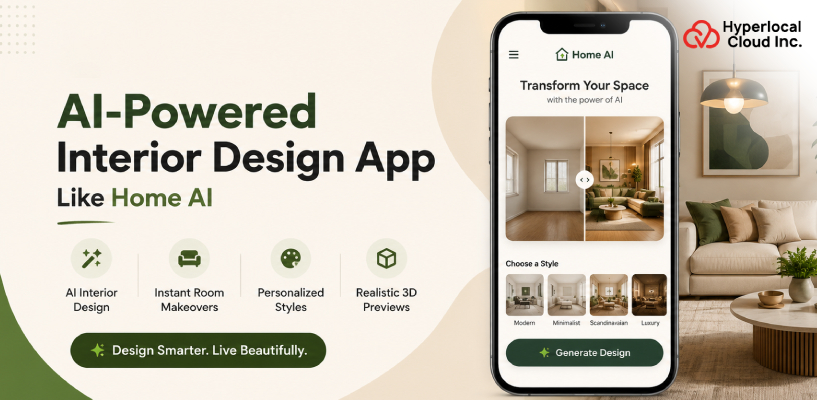
Recently, the interior design industry has gone through great change due to the introduction of technological advancements. Unlike traditional methods of interior designing, where everything depended on interior designers, architects, or design studios, now replaced by AI-driven technologies. Hence, the Home AI application was introduced, which is totally AI-powered to automate the process of interior designing.
The app is user-friendly and provides users with advanced features that help them to fulfill all their interior design requirements in an intelligent and interactive way. This is the reason that the application gained immense success, which compels businesses to move forward with the idea to build an AI-powered interior design app similar to Home AI.
What is a Home AI App?
Home AI is an AI-driven interior design application that typically facilitates users by helping them to digitally redesign, decorate, and visualize their homes. With the integration of advanced technologies, the app provides users with valuable insights that help them to create smart interior designs. However, in simple terms, a Home AI app is designed to work as a virtual interior design assistant in order to help users transform their home decor without the need for deep design knowledge.
Build Your Own Home AI App and Revolutionize Smart Home Design!
How Does an Interior Design App Like Home AI Work?
A complete working criteria of a Home AI-like app is described below that lets users know how to operate the application with accuracy to get efficient results.
1. User Registration
The very first step is to fulfill the registration process, for which users must submit the details like their contact details, email address, and social media ID. After the completion of the registration process, users can easily access the features of the app.
2. Uploading Room Images
Once the profile setup is complete, users can upload photos of their rooms. Some apps also allow users to scan rooms using smartphone cameras. The uploaded image becomes the foundation for the AI design process.
3. AI-Based Room Recognition
Once a user successfully uploads the image, the advanced computer vision technology starts analyzing the room in order to identify each object and understand the image.
4. Interior Style Selection
The next step is selecting a preferred interior design style. Most AI-powered interior design apps offer multiple styles, such as:
- Modern Design
- Minimalist Design
- Scandinavian Design
- Industrial Design
- Luxury Design
- Bohemian Design
5. AI Design Generation
The crucial process in the app starts working when the app is done by analyzing the room structure and user preferences. The process, however, starts generating new room concepts.
6. Real-Time 3D Visualization
Modern AI interior design apps often include 3D visualization features. These features help users view their redesigned rooms in a highly realistic way. This creates a better understanding of how the final room may look in real life.
7. Augmented Reality Integration
The app is integrated with AR features that allow users to place virtual furniture and decor items inside their real rooms using smartphone cameras.
8. Smart Space Planning
Space planning is another important feature of AI-driven interior design apps. The AI analyzes room size and furniture dimensions to suggest the best layout possible.
9. Product Integration and Shopping
Many AI interior design apps are connected with furniture and home decor marketplaces. When the AI generates a room design, users can view the products used directly.
10. AI Chatbots and Virtual Assistance
During the design process, the AI chat or virtual assistants help users. However, this approach will attract users and provide them with a more interactive experience.
11. Cloud Storage
Most interior design apps use cloud technology to securely save users’ projects. Cloud storage also allows users to access their projects across different devices.
Reasons Behind the Booming Growth of an AI-Driven Interior Design App
Several reasons exist that have a positive impact on the booming growth of an AI-driven interior design app. Let’s have a look at the information below to get a detailed insight into the same.
1. Increasing Demand for Smart Home Solutions
Modern customers are increasingly interested in smart living solutions. AI-powered interior layout apps fit flawlessly in this increasingly smart digital environment, as they help customers digitally layout and visualize homes.
2. Growing Popularity of Home Renovation
In recent years, home improvement initiatives have increased significantly. People now spend more time updating their living spaces because homes are not the easiest places to entertain. Homes became offices, resorts, and personal comfort zones.
3. Rising Smartphone and Internet Usage
With the rise of smartphones and high-speed networks, AI interior design apps have become more widely available. Now users can renovate their rooms without delay from mobile devices, without the need for professional tools.
4. Affordable Alternative to Traditional Interior Design
Professional interior design services can be a luxury for prolific owners. AI-powered apps offer cost-effective alternatives, providing virtual design assistance at a fraction of the price.
5. Personalized User Experience
Modern customers expect in-person and virtual experiences. AI interior design software analyzes user preferences and creates custom design room ideas tailored to individual preferences.
6. Advancements in AI Technology
The AI generation is becoming more powerful every year. These technological upgrades allow companies to enhance superior, realistic interior design plans.
7. Growth of E-commerce and Online Furniture Shopping
Online furniture shopping has come a long way in recent years. AI interior design software helps with this trend by allowing customers to visualize furnishings before making a purchase.
8. Influence of Social Media Trends
Social media platforms have increased awareness about modern interior design trends. AI apps help users easily recreate these trending interior styles.
List of the Lucrative Benefits of an App Like Home AI
An app like Home AI offers so many lucrative perks to businesses that are enough to streamline their business operations. A detailed overview of the benefits is mentioned below.
1. Creates New Revenue Opportunities
AI-powered interior layout apps open up multiple revenue streams for businesses. This makes AI interior design apps a very profitable business idea.
2. Improves Customer Engagement
Interactive AI features keep customers engaged for a long time. Higher engagement will increase app retention and buyer loyalty.
3. Increases Furniture and Decor Sales
Furniture manufacturers and home decor companies benefit greatly from AI-powered interior design apps. When consumers imagine products inside the room, they often feel extra confident when making a purchase. AI-generated room designs also lead to impulse buying.
4. Reduces Operational Costs
Businesses can use artificial intelligence to automate many interior design responsibilities. Instead of manually developing space concepts for each buyer, AI structures can produce designs instantly.
5. Helps Businesses Reach a Larger Audience
Digital interior design apps can appeal to customers all over the world. Unlike traditional interior design firms that operate in limited geographic areas, AI-powered applications can serve clients from multiple international locations via mobile systems.
6. Provides Data-Driven Customer Insights
AI apps get valuable data about user behavior. This can enhance the businesses services and advertising strategies.
7. Strengthens Brand Visibility
An AI-powered interior layout app helps businesses maintain a current, progressive brand image. Companies that use the best technology regularly attract more customers and gain attention.
8. Improves Customer Satisfaction
AI-generated images reduce confusion during the design process. Customers can completely see what their space looks like before they finally make a purchase or renovation.
9. Supports Real Estate Businesses
Real estate businesses can certainly use AI-powered interior design apps to design houses. Instead of showcasing empty homes, they could showcase totally furnished virtual interiors for capacity buyers.
10. Encourages Long-Term Customer Retention
Personalized instructions, smooth interfaces, and interactive capabilities encourage users to return often. Long-term patron retention improves the recovery of basic commercial activity.
Turn Your Interior Design Idea into an AI-Driven Reality Now!
The Features and Functionalities of an AI-Powered Interior Design App Like Home AI
Review the complete breakdown of features that we have mentioned below. All the functionalities enable the app to deliver high-quality services that ultimately enhance their experience.
1. User Registration
The app should allow users to create accounts using:
- Phone number
- Google login
- Social media accounts
The overall process allows users to manage their profiles by saving and tracking past projects. However, the AI-powered application delivers top-notch personalized recommendations to users.
2. AI-Based Room Scanning
An AI-based room scanning feature enables users to upload images of their room or scan via their phones in order to generate accurate interior designs.
3. Smart Room Recognition
Computer vision technology should identify different objects inside the room, such as:
- Beds
- Sofas
- Chairs
- Tables
- Windows
- Doors
- Decorative items
This helps the AI redesign spaces more intelligently and realistically.
4. Multiple Interior Design Styles
The app should offer various interior design themes, such as:
- Modern
- Minimalist
- Scandinavian
- Luxury
- Industrial
- Contemporary
- Bohemian
- Traditional
Users should be able to switch between styles and compare room concepts easily.
5. AI-Powered Design Generation
This is one of the most important features. The AI engine should automatically generate room layouts and design concepts according to user preferences.
6. Real-Time 3D Visualization
The app should provide realistic 3D room previews. This feature helps users understand the final appearance more clearly.
7. Augmented Reality Integration
AR functionality allows users to place virtual furniture and decor items inside real rooms using smartphone cameras. AR improves overall customer confidence.
8. Personalized AI Recommendations
The app should provide personalized suggestions based on:
- User behavior
- Design preferences
- Budget
- Room type
- Color choices
AI-driven personalization improves user satisfaction and engagement.
9. Furniture and Decor Marketplace Integration
The app should integrate with online furniture and décor stores. This creates a complete design-to-shopping experience.
10. AI Chatbot
An AI chatbot can guide users during the design process. This feature improves customer interaction and support.
11. Budget Estimation
The app should provide estimated renovation and furnishing costs. Budget estimation helps users plan their projects more effectively.
12. Room Measurement
The app should automatically calculate room dimensions and suggest optimized layouts. This feature is especially important for small homes and apartments where efficient space utilization matters greatly.
13. Cloud Storage
Users should be able to save multiple room designs securely in the cloud. Cloud integration improves user convenience.
14. Social Media Integration
The app should allow users to share room designs directly on platforms like:
This increases app visibility and encourages organic marketing through user-generated content.
15. Advanced Analytics Dashboard
An admin dashboard should help businesses track:
- User engagement
- Popular design styles
- Revenue generation
- Product performance
- Customer behavior
Analytics help businesses improve services and make data-driven decisions.
How To Build an AI-Powered Interior Design App Like Home AI?
For the development of an AI-powered interior design app like Home AI, businesses must follow and implement the steps that are discussed below. All these steps are enough to create a robust mobile app from which businesses will get productive results.
1. Conduct Detailed Market Research
Before starting the development process, it is important to understand the market, target audience, competitors, and industry trends. This research helps create a better product strategy and feature roadmap. Understanding the target audience helps businesses design better features and user experiences.
2. Define the Core Features
The next step is to plot the app’s most important features. The business must decide which capabilities should be included in the first version of the software and which capabilities should be included later. Creating a clean work instruction helps reduce confusion during improvements.
3. Choose the Right Platform
Businesses need to decide whether they want to build:
- An Android app
- An iOS app
- A cross-platform application
- A web-based platform
- Native App Development
Native apps are built one at a time for Android and iOS. Cross-platform frameworks with Flutter and React Native allow organizations to build a single app for a couple of platforms.
4. Design UI/UX
User involvement plays a key role in the success of an interior design application. Since layout applications look amazing, the application should ideally have an adequate and clean navigation design. That’s why businesses are required to focus on clean and smooth UI/UX.
5. Start Developing the App
Start developing the app with the core expertise of skilled developers who implement the right AI-driven technologies and programming languages in the app to make it more accessible for the users. Also, businesses must select one development approach that meets their business requirements, which is typically between a custom-based solution and a white label solution.
6. Perform Testing and QA
Quality testing is a very important part of the development methodology. Testing allows you to catch bugs before launching the app, improving the app’s overall performance.
7. Launch the App and Gather Feedback
After testing, businesses can launch the app on:
- Google Play Store
- Apple App Store
- Web platforms
After the launch, companies should continue to receive feedback from users and improve the software regularly. Continuous updates help companies stay progressive in the evolving AI interior design market.
Utilization of Tech Stacks to Create an AI-Powered Interior Design App Like Home AI
A complete table is mentioned below, consisting of the list of advanced tech stacks that are responsible for the development of a robust, scalable, and reliable Home AI-like app.
| Category | Tech Stacks |
| Frontend Technologies | Flutter, React Native, Swift for iOS, Kotlin for Android |
| Backend Technologies | Node.js, Django |
| AI and ML Technologies | TensorFlow, PyTorch, OpenCV |
| Database Technologies | MongoDB, PostgreSQL |
| Cloud Technologies | Amazon Web Services, Google Cloud Platform |
| AR and 3D Visualization Technologies | Unity 3D, ARKit and ARCore |
| Payment Gateway Integration | Stripe, PayPal, Razorpay |
| Security Technologies | SSL encryption, OAuth authentication, JWT tokens, Multi-factor authentication |
Know the Effective Use Cases of an App Like Home AI
An app like Home AI is versatile, which gives a seamless experience to your target audience from different niches to automate the process of interior design. Here is a list of use cases mentioned that businesses can review.
1. Home Renovation Planning
A common use case for a Home AI app is creating home improvement plans. AI-powered apps solve those problems by envisioning room changes and supporting customers before they begin renovations.
2. Interior Design Consultation
Interior designers can use AI-powered apps to improve their negotiation process. Instead of creating multiple room rules manually, designers can create accurate AI-based, realistic visualizations for clients.
3. Real Estate Virtual Staging
Real estate companies often use AI interior design software for virtual staging. Empty homes often fail to attract buyers because it is difficult for humans to imagine what the gap will look like, even after furnishing.
4. Furniture Shopping and Visualization
Furniture manufacturers and e-commerce systems are using AI-powered indoor layout apps to improve protection purchase checks. Customers can use augmented reality to approximate the virtual placement of their room.
5. Smart Space Planning for Small Homes
Small homes and apartments often have limited areas. AI-powered interior design apps help users optimize compact living spaces by recommending smart furniture and space-saving solutions.
6. Office Interior Planning
Businesses can use AI-powered interior design apps to plan workspaces. AI equipment increases office efficiency while developing a visually appealing graphic environment.
7. Hotel and Hospitality Interior Design
Hotels and hospitality groups can use AI-powered apps to design guest rooms and industrial spaces. This improves visual engagement and visitor learning.
8. Educational and Training Purposes
Interior design students and beginners can use AI-powered apps as tools to learn. Interactive visualization makes accessing knowledge less difficult and more engaging.
9. DIY Home Decoration
Many people like to renovate their homes on their own without hiring a professional designer. That’s the reason they often use the app which makes home decor less complicated for non-experts.
10. Sustainable Interior Design Planning
Modern consumers are extra conscious of the environment. This helps with sustainable living and responsible interior design.
Ready to Launch Your AI Interior Design App? Let’s Get Started!
Factors That Make a Home AI-like App Stand Out in the Home Design Market
Numerous factors exist that let businesses know how fast Home AI-like apps stand out in the home design app market. Just review the information below and start developing the one for your business.
1. AI-Powered Personalization
AI-powered personalization is the main concept behind the immense success of an app like Home AI, because it analyzes user behavior in order to generate customized room concepts.
2. Realistic 3D Visualization
Visualization is an important aspect in interior design apps like Home AI. It provides a 3D view, which helps users to get realistic room previews so that they can easily understand how the overall design looks after the renovation of the home.
3. Seamless Augmented Reality Experience
Augmented Reality is becoming one of the most attractive features in AI-powered interior design apps. A strong AR system allows users to place virtual furniture and decor inside their real rooms using smartphone cameras.
4. Fast AI Processing Speed
Users do not want to wait long periods for room transformations. Apps that generate interior designs quickly create better user experiences. Efficient AI models are important for maintaining smooth performance.
5. Wide Variety of Design Styles
A successful app should offer multiple interior design themes to serve different user preferences. The ability to explore multiple design options makes the app more flexible and appealing.
6. Smart Space Optimization Features
Many users live in compact apartments and smaller homes. An app that provides intelligent space planning solutions gains a strong competitive advantage.
7. E-commerce and Furniture Integration
Users prefer complete solutions instead of separate design and shopping platforms. This creates a convenient end-to-end customer experience.
8. AI Chat Support and Virtual Assistance
Interactive AI assistants improve user engagement. This creates a more personalized and interactive platform experience.
9. Cross-Platform Accessibility
Users expect flexibility in accessing applications across multiple devices. Cross-platform compatibility improves accessibility and user convenience.
Steps to Generate Revenue from an App Like Home AI
There are several comprehensive types of revenue generation models that help businesses to generate revenue from an app like Home AI. Get an in-depth insight into the same.
1. Offer Subscription Plans
The subscription-based model is considered a primary source of revenue generation from an AI-driven interior design app. In this, users can use the features that are free to use, but pay for monthly and annual subscription plans to get access to premium features.
2. Freemium Services
The freemium model is a quite effective way that businesses can follow in order to generate income from the application. Here, users can enjoy free features and pay a small fee for advanced ones.
3. Partner with Third-Party Brands
In this, businesses can partner with brands like a furniture marketplace, which means when users buy a product via the app, they will give a commission amount to you so that you can boost your overall income.
4. Sell Premium Design Templates
Many users look for professionally curated interior themes. Users can purchase these exclusive design packages directly inside the app.
5. Launch In-App Advertisements
Advertising is another revenue generation method. Furniture brands, paint companies, décor businesses, and smart home companies may advertise on the platform.
6. Provide AR-Based Shopping Experiences
Augmented reality shopping experiences increase product engagement and conversions. Businesses can charge furniture brands for premium AR furniture placement opportunities. This improves sales and partnership opportunities.
7. Introduce Pay-Per-Design Models
Some users may not want monthly subscriptions; this model works well for occasional users. However, it is an additional but effective way to generate income.
Give Users the Future of Home Design – Develop Your AI App Now!
Conclusion
Businesses or startups can initiate their business journey by entering the interior design market with an app like Home AI. But for this, businesses are required to approach an experienced AI app development company so that they will get a reliable and scalable AI-driven mobile app that makes their business stand out in the booming market. Additionally, the app is quite cost-effective and costs at $10,000, which can be increased or decreased based on the features that businesses choose. However, at Hyperlocal Cloud, businesses can fulfill all their requirements by getting a top-tier Home AI-like app.

Patt Cummins is an experienced content writer with over 10 years of experience creating clear and engaging content for technology-focused industries. He specializes in simplifying complex technical topics into easy-to-understand stories that educate readers, support brand communication, and help businesses effectively share their solutions.

Need Help With
Development?