
Get 30% OFF on All Development Services – Limited Time!

Years of Experience

Countries Served

Ongoing Projects

Expert Developers
A white label home care software solution gives businesses a practical way to enter the home care market under their own brand. It provides a starting point to shape a service around business goals, reach the intended audience, and build a platform that supports long-term operations.
Invest in a home care platform without recurring monthly software subscription fees. This purchase model helps businesses manage their initial software costs while getting a top-notch digital solution for their home care operations.
Receive a 100% source code transfer with the white-label home care software, providing control over the delivered codebase and future development. This ownership supports independent modifications, third-party integrations, and ongoing improvements without complete dependence on the original development partner.
Build a consistent digital presence with customized branding, tailored UI/UX design, and a customer-facing experience aligned with the business identity. An intuitive interface helps clients and caregivers navigate the platform while reinforcing brand recognition across supported digital touchpoints.
Start with a ready-made software solution rather than developing every component from scratch. Pre-built functionality and an established technical architecture reduce initial development work, helping businesses move towards launch while concentrating on market positioning and service planning.
Adapt the platform to specific operational workflows, service models, and growth plans. Depending on the agreed scope, customization may cover workflow configuration, API integrations, interface adjustments, and additional modules to align the software with evolving business requirements.
Give administrators and care teams a simple interface for daily tasks.
Support smarter documentation and daily operations with AI-powered capabilities.
Organize service charges and billing records in one place.
Supports HIPAA compliance and EVV requirements through organized records and verified visit documentation.
Manage home care activities digitally with less paperwork.
Deliver home care services through a platform carrying your business identity.
Organize staff assignments and planned home care visits.
Keep visit information organized to monitor service activity.
Connect compatible third-party tools through API integrations.
The home care management platform connects the main stages of running a home care business, from initial setup and client onboarding to caregiver coordination and service delivery. Each stage supports the next, giving businesses a clear process for managing care services and keeping operational records organized.
The process starts by aligning the platform with the intended home care services and business requirements. Branding, user roles, operational settings, and supported workflows are configured to establish how administrators and care teams will use the system.

Once the platform is configured, client profiles and relevant care information are added to the system. These records help the business organize service requirements and establish the information needed for caregiver assignments and visit planning.

Care coordinators use the available client information and scheduling requirements to arrange caregiver assignments. The scheduling workflow helps organize visit timings, staff availability, and service commitments according to the platform's supported capabilities.

Caregivers follow their assigned schedules and document relevant visit information through the supported application interface. These records give the business a consistent view of completed visits and help maintain continuity across service delivery.

Administrators review service records and operational activity to understand how the business is running. Where supported, billing and payment workflows help manage charges associated with completed services and maintain financial records.
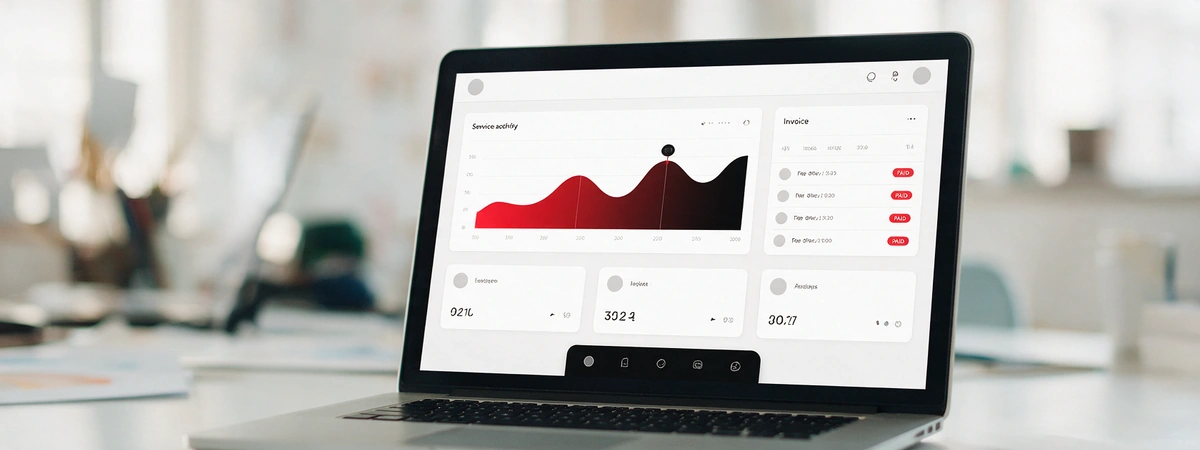
Explore the features of our home care management platform to find the right tools for your business. Review each user interface to understand its capabilities and identify the functionality that fits your operational requirements.
Smart AI adds another layer of intelligence to home care operations. It helps teams interpret care-related information, answer routine questions, and flag issues that need attention. When businesses build a home care platform with practical AI capabilities, they can improve coordination, support caregivers, and make informed operational decisions.
AI identifies patterns in visit records, care notes, and service requests that may indicate changing client needs. These insights help care coordinators review emerging concerns and reassess care arrangements when additional support is needed.
AI analyzes recorded observations and care notes to highlight recurring concerns, such as mobility difficulties or reported symptom changes. These patterns help qualified professionals identify areas requiring closer review without replacing clinical judgment.
AI helps care coordinators review client history, personal preferences, routines, and previous care outcomes when updating individual plans. A white label home care solution with these capabilities supports more personalized services under a business’s own brand.
An AI chatbot answers routine questions about services, appointments, and care procedures. It also helps caregivers find approved instructions and operational policies while directing complex inquiries to the appropriate team member.
AI-assisted planning highlights overlapping assignments, unfilled shifts, caregiver availability conflicts, and potential workload imbalances. These insights help coordinators assess staffing requirements and travel schedules before resource constraints disrupt daily operations.
AI-powered analysis helps businesses understand service demand, caregiver utilization, client retention, and recurring operational challenges. When businesses buy white label home care software, they should assess whether its reporting and AI capabilities support practical, data-informed decisions.
A straightforward four-step process to prepare your branded home care software, receive the source code, and get your business ready to operate.
We learn about your business model, target users, and the features needed to support your home care services.
Select the required functionality and confirm the project scope before moving into configuration and development.
We apply your branding, configure the agreed settings, and prepare the platform for testing under your business identity.
Receive the source code, complete the final checks, and prepare to operate your home care platform under your own brand.
The white label home care software costs $8,000–$12,000, with delivery typically taking 2–4 weeks. The package includes patient and caregiver management, appointment scheduling, home visit management, booking management, and custom branding to launch a platform under your business name.
Our white label home care software solution is built around a scalable technology architecture designed to support caregiver coordination, client management, visit tracking, and day-to-day home care operations. During home care platform development, we consider performance, data security, integration requirements, and future customization to help businesses establish a platform aligned with their operational needs.
Hyperlocal Cloud aims to help businesses launch branded home care platforms with practical customization, flexible integrations, and a focus on long-term ownership. As the best home care software development company USA, the team helps businesses shape a platform around their service model, operational needs, and growth plans.
With years of software development experience, we understand the technical and operational considerations involved in launching a home care platform. This experience helps businesses plan their home care platform around their service model, customization needs, and long-term business goals.
Hyperlocal Cloud helps businesses build a home care platform around their specific operational requirements. From service workflows to platform functionality, customization supports different business models and user needs. This flexibility provides a practical path to launch a branded home care management solution aligned with business goals.
A home care management platform may need payment gateways, communication tools, and external services to support daily operations. Hyperlocal Cloud helps businesses plan relevant third-party integrations, creating a more connected software environment. Integration feasibility depends on API availability, system compatibility, and the project’s technical requirements.
We help businesses configure their white label home care software solution around their chosen services, user roles, and operational workflows. The setup process focuses on preparing the platform for real-world use, from configuring client and caregiver access to checking visit management and booking flows before launch.
We asked if wound tracking could work better with our care plans. They actually listened and built it. Now our carers use it every day. Most companies just nod and move on; these guys didn’t, highly recommended.
We wanted to improve one thing: the time it takes for nurses to write care-related notes after long shifts. The Hyperlocal Cloud team helped us develop an AI-based feature that organizes these notes with a single tap. This makes records clearer and makes compliance with regulations easier.
We ran our agency on the same old system for years. It did the job, but everything took longer than it should have. These guys upgraded our software and added features that automated the tedious things. Scheduling, notes, follow-ups- all of it just runs now. Same team, less chasing. I honestly did not expect the upgrade would be so easy.
Developing a care management app requires features that support daily care delivery and business administration. This includes client profiles, care plans, medication records, task lists, invoicing, and team collaboration. Businesses planning to build a home care platform should prioritize simple navigation for independent carers and coordinated workflows for growing teams.
A care app can organize daily notes, medication logs, observations, and care plans within a shared client profile. This helps carers find relevant information without switching between separate records. A well-designed home care management platform also needs reliable data relationships to maintain consistent documentation when multiple team members update a client's records.
Family access requires separate permissions from caregiver accounts. Developers can provide invited relatives with view-only access to approved care notes, medication records, schedules, and updates while restricting editing privileges. A white label home care solution should also include controls for managing invitations and revoking access when circumstances change.
Offline functionality allows carers to access essential information when internet connectivity is unavailable. The app needs local data storage and a synchronization process to update records when connectivity returns. During home care platform development, teams should also account for conflicting edits, failed uploads, and duplicate entries to maintain consistent records across devices.
These functions work best when they share relevant client, caregiver, shift, and service information. Rota entries can inform timesheets, recorded mileage can support expense tracking, and approved hours can feed into invoicing workflows. A white label home care software solution should be assessed for its ability to support these workflows and required integrations.
Shared care records require reliable synchronization, user permissions, and safeguards against conflicting edits. The system should associate each entry with the correct client and authorized user, preserve updates accurately, and prevent silent overwrites. Businesses looking to buy white label home care software should check how the platform handles simultaneous edits, timestamps, and record histories.
A home care management platform should support accurate care records, timestamped visit logs, role-based access, and secure data handling. Depending on the operating region, businesses may also need to address applicable privacy laws, electronic visit verification (EVV), and documentation requirements. Compliance depends on the platform's configuration and the provider's policies.
A white-label home care platform can generate recurring revenue through monthly or annual subscriptions, per-client pricing, or tiered plans for care agencies. Businesses can also offer premium features, integrations, and customized services to create additional revenue streams while retaining control over their brand and business model.
Launch your marketplace under your own brand identity




By sending, you agree to our Terms of Service.