
Get 30% OFF on All Development Services – Limited Time!

Years of Experience

Countries Served

Ongoing Projects

Expert Developers
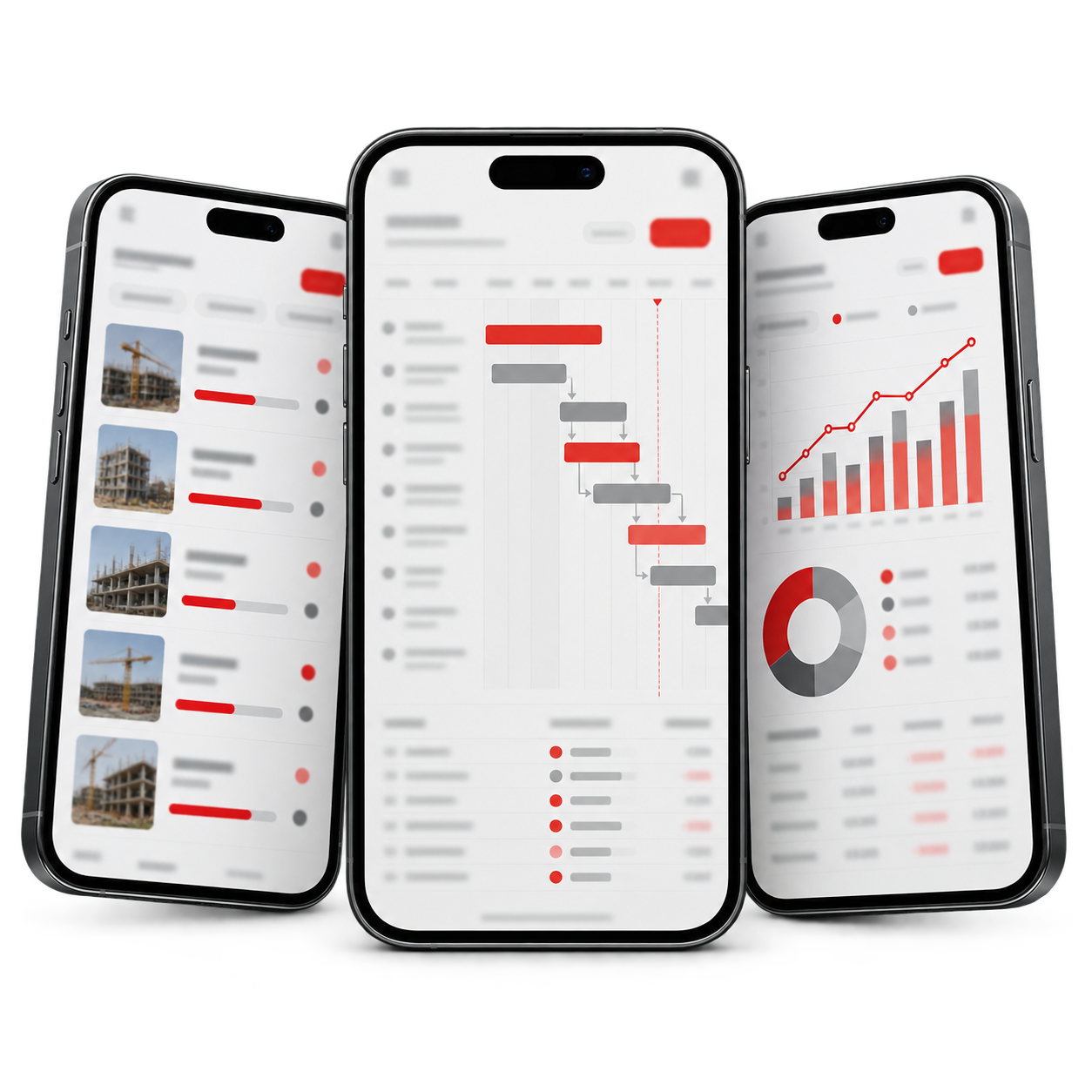
White label construction project management software is a ready-made platform that you can launch under your own brand. Instead of building every feature from scratch, you use an existing software foundation and configure it to match your business requirements.
We customize the platform with your logo, colors, domain, user roles, and project workflows. Our team can also configure features such as task management, project scheduling, budget tracking, document sharing, and progress reports. This approach helps growing companies offer construction management tools without managing the full development lifecycle.
White label construction project management software allows businesses to launch a fully branded solution without building it from scratch. Customize the platform with your logo, colors, and features to deliver a seamless experience under your own brand.
Users create projects by adding project details, budgets, timelines, and team members to the platform.

Project managers assign tasks, set deadlines, allocate resources, and define project milestones.

Contractors coordinate workers, subcontractors, equipment, and materials from a centralized dashboard.

Teams update task status, upload site photos, record daily activities, and monitor project milestones in real time.

Users track expenses, review project budgets, share construction drawings, and manage project documents in one place.

Managers review project performance, identify delays, monitor costs, and generate reports to support better decisions.

Construction businesses need a central platform to manage projects, teams, budgets, and site activities. Our white label construction project management software can be configured with the features your clients need to manage construction workflows efficiently.

Create project timelines, set milestones, and track deadlines from a central dashboard. Manage task dependencies and adjust schedules as project requirements change.

Assign tasks to team members, set priorities, and define approval workflows. Track task status and deadlines to keep project activities organized.

Set project budgets, record expenses, and monitor costs against planned estimates. Use budget reports to identify cost overruns and improve financial control.

Manage workforce schedules, equipment, materials, and resource allocation across projects. Track availability and assignments to reduce resource conflicts.

Store construction drawings, contracts, specifications, and project files in a centralized repository. Manage document versions and access permissions to keep teams aligned.

Enable project managers, contractors, and site teams to share updates, comments, and files. Keep project communication linked to tasks and activities for easier tracking.

Monitor task completion, milestones, and site updates through live project dashboards. Use status alerts to identify delays and take action quickly.

Generate reports on project progress, costs, resource usage, and task performance. Use dashboard insights to review project status and support data-based decisions.

Record site inspections, track defects, and assign corrective actions to responsible teams. Maintain inspection reports and quality checklists for project records.

Record scope changes, cost adjustments, and schedule updates in one place. Route change requests for approval and maintain a clear record of project changes.
Manage contractor details, work assignments, deadlines, and deliverables from a central system. Track subcontractor progress and coordinate activities across project teams.

Give field teams mobile access to tasks, drawings, reports, and project updates. Support photo uploads and site reporting so office teams can review field information.
Integrating AI into construction project management software empowers businesses to automate workflows, improve project visibility, reduce operational risks, and make data-driven decisions that drive efficiency and profitability.
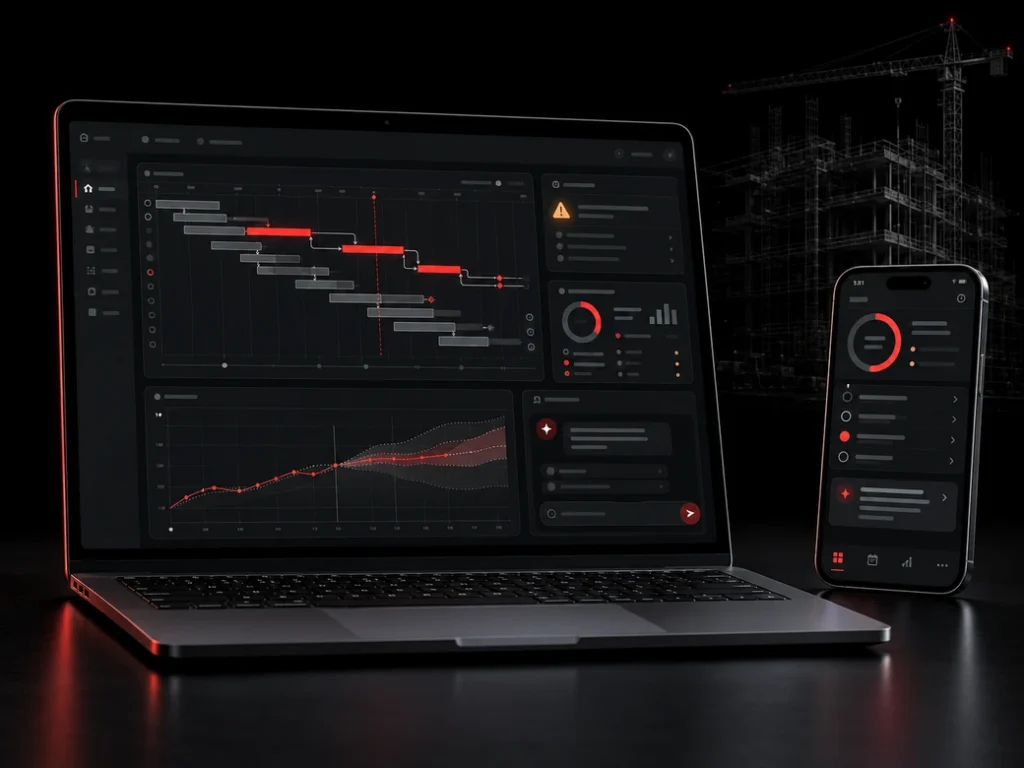

AI analyzes project timelines, dependencies, and resource availability to create optimized schedules. It helps teams anticipate delays, adjust tasks, and keep construction projects on track.
AI evaluates historical project data, material prices, labor costs, and project requirements to forecast budgets more accurately. This helps businesses control expenses and minimize cost overruns.

Identify potential project risks by analyzing schedules, budgets, site conditions, and historical trends. AI-powered insights help teams take preventive action before issues escalate.

AI processes site updates, images, and project reports to monitor construction progress against planned milestones. Teams can identify delays, track completion rates, and make timely adjustments.

AI recommends the optimal allocation of labor, equipment, and materials based on project priorities and availability. This improves resource utilization, reduces downtime, and supports efficient project execution.

Automatically analyze contracts, blueprints, invoices, and project documents to extract essential information. AI helps teams identify discrepancies, find relevant details, and streamline document management.
AI analyzes equipment usage, performance data, and maintenance history to identify potential machinery issues. This enables proactive maintenance planning, reduces unexpected breakdowns, and minimizes operational disruptions.
Generate project reports with AI-driven insights into costs, timelines, productivity, and overall performance. Automated reporting helps stakeholders make informed decisions without spending hours compiling data manually.
White label construction software helps businesses launch a branded software solution without building every feature from scratch. It offers a practical way to expand services, manage client needs, and support business growth.

Launch your construction project management software using an existing software foundation instead of developing every module from the beginning.

Reduce upfront development work by using ready-made features and customizing them to your business needs. Invest in specific integrations and features instead of building the entire platform from scratch.

Offer clients a branded platform to manage schedules, budgets, documents, and site updates. Add features based on client feedback to improve adoption and long-term engagement.
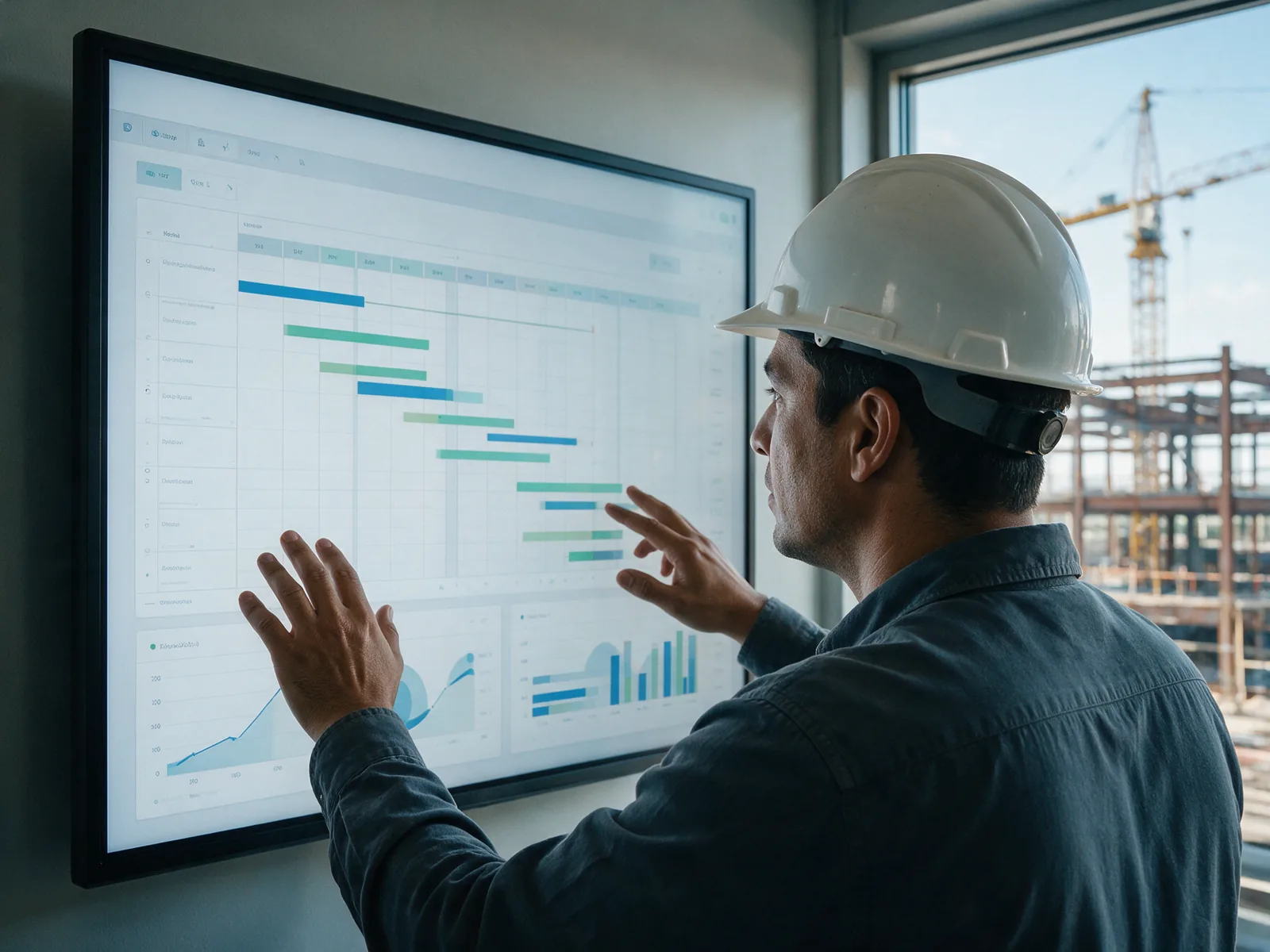
Bring project tasks, costs, schedules, and progress reports into one dashboard. Help clients and project managers review updates and identify issues faster.
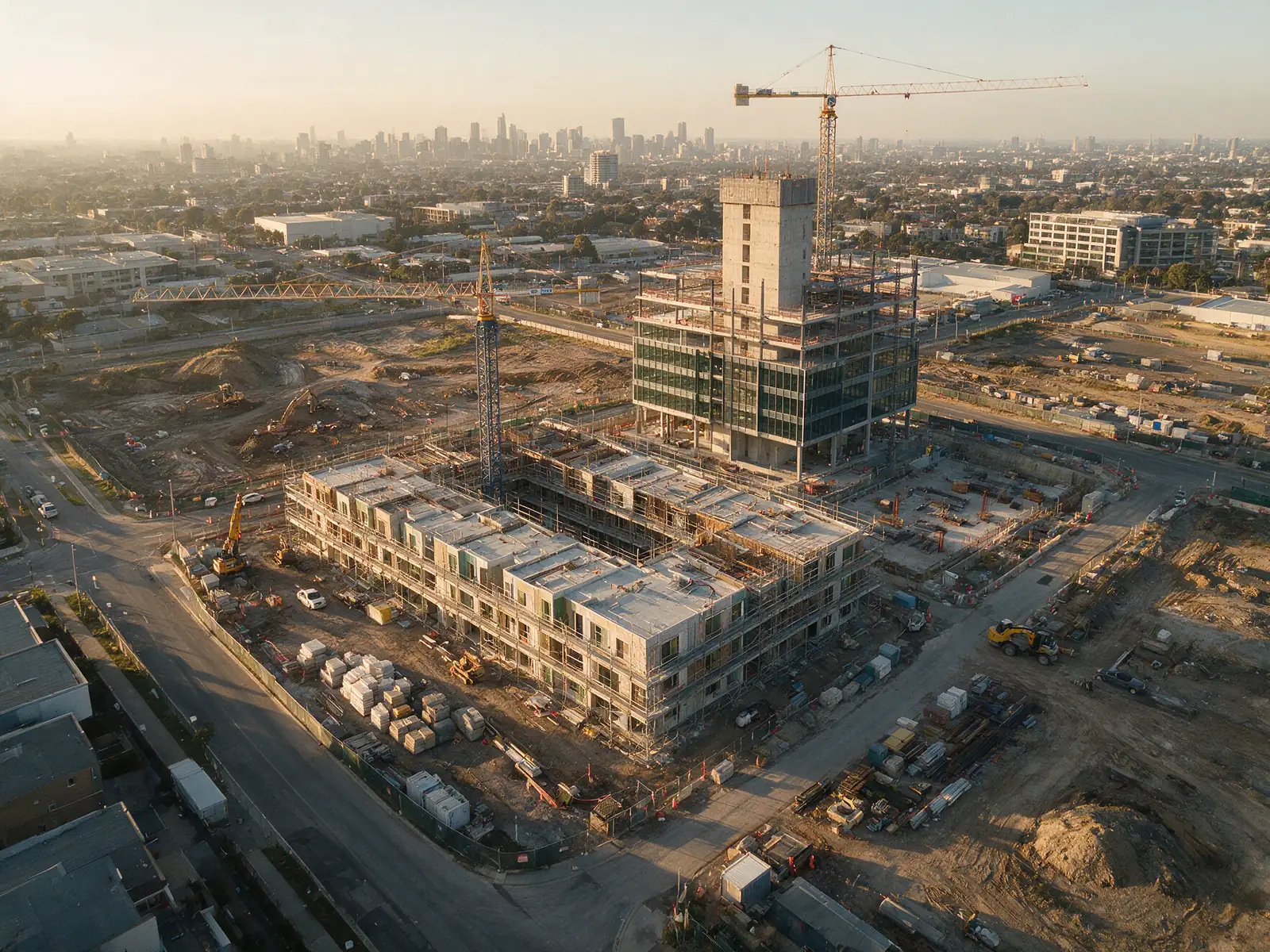
Expand your software offering to support more clients, projects, and users as demand grows. Build a construction project management platform that scales with your business needs.

Rely on the agreed maintenance and update model to manage bug fixes, security updates, and platform improvements. Depending on your licensing agreement, this reduces the need to maintain a full in-house development team.
White label software uses an existing platform that can be branded and configured for your business, while custom development builds software around your specific requirements. The right choice depends on your budget, timeline, technical needs, and level of control.
|
Comparison Factor
|
White Label Software
|
Custom Software Development
|
|---|---|---|
|
Development Approach
|
Uses an existing platform with branding and configuration options
|
Builds a platform based on specific business requirements
|
|
Initial Cost
|
$8,000 to $9,000
|
$20,000 to $50,000+
|
|
Time to Market
|
1-3 weeks
|
9-10 months
|
|
Branding
|
Supports available branding options
|
Allows branding to be designed around your requirements
|
|
Feature Customization
|
Depends on platform capabilities
|
Can be tailored to your needs
|
|
Software Ownership
|
Depends on the licensing agreement
|
Depends on the development contract and IP terms
|
|
Integrations
|
Uses supported integrations and available APIs
|
Can support custom integrations based on feasibility
|
|
Scalability
|
Depends on the platform architecture and plan
|
Can be designed for expected growth
|
|
Maintenance
|
May be handled by the provider or shared with your team
|
Usually requires an agreed maintenance plan
|
|
Best Suited For
|
Businesses that want to launch a branded product quickly
|
Businesses that need specific workflows or greater technical control
|
White label construction management software helps businesses offer branded tools for project planning, cost control, and team coordination. It can be configured to match the workflows of different construction businesses and their clients.
Construction companies can manage project schedules, budgets, documents, and site updates through a branded platform. They can also provide clients with access to project progress and reports.
Subcontractors can track assigned tasks, manage work schedules, share site reports, and coordinate with general contractors. Custom workflows help teams monitor deadlines and deliverables across projects.
Construction consultants can use a branded platform to monitor project performance, review reports, and coordinate with clients. It also helps them offer digital project management services without building software from scratch.
A white label platform can support different construction workflows, from initial planning to project handover. You can configure features based on project size, team structure, and operational needs.
Manage housing projects, task schedules, material requirements, budgets, and site updates from a central dashboard. This setup can also support construction project management software for small businesses handling residential projects.
Coordinate contractors, track project milestones, manage construction documents, and monitor costs across commercial developments. Role-based access lets project owners, managers, and site teams access the information they need.
Track schedules, resources, budgets, and progress across large infrastructure projects. Centralized reporting helps teams monitor project milestones and identify delays that need attention.
Manage multiple construction sites through a shared platform with project-level dashboards and access controls. Compare schedules, budgets, resource use, and progress across locations.
Record daily site activities, upload photos, assign tasks, and report safety or quality issues. Mobile access helps field teams share updates with project managers in real time.
Organize final inspections, defect lists, approvals, warranties, and handover documents. Maintain a clear record of outstanding tasks and project completion status before closing the project.
Integrations and security help connect construction workflows while protecting project data. Our white label construction project management software can be configured to support your existing business systems, access rules, and data protection needs.
Connect accounting tools to sync project expenses, invoices, budgets, and payment records. This helps reduce manual data entry and keeps project finances organized.
Connect CRM and ERP systems to share client details, project records, procurement data, and business reports. These integrations let teams manage project and business operations from a single connected system.
Connect BIM and CAD tools to access building models, technical drawings, and design files. This helps project teams coordinate design updates and construction activities.
Integrate payroll and workforce systems to manage labor hours, attendance, staff records, and labor costs. This helps improve workforce planning and project cost tracking.
Use APIs and webhooks to connect the platform with external tools and services. Custom integrations can support data exchange based on your workflows and system requirements.
Protect project information with encryption in transit and at rest (where supported) and scheduled data backups. Define recovery procedures to help restore data after system failures.
Assign permissions based on user roles, such as project managers, contractors, and site workers. Restrict access to project files, financial records, and sensitive business information.
Record important user actions, document changes, approvals, and project updates. Audit logs help administrators review activity and track changes when needed.
Configure data access, retention, and privacy controls based on business and legal requirements. Review applicable standards and compliance needs before deploying the software.
Our development process helps you build a construction project management platform that matches your business model, branding, and technical requirements. Each stage focuses on preparing, configuring, testing, and launching a reliable software solution.

Define your target users, business goals, required features, integrations, and budget. We prepare a project scope and delivery plan based on your operational needs.
Review competing construction platforms, common industry workflows, and customer needs. Use these findings to prioritize features and identify ways to differentiate your software.
Create wireframes and interactive prototypes for dashboards, project views, and task workflows. Review the design before development to improve usability for office and field teams.
Select the application architecture, database structure, and hosting approach based on expected usage. Plan for data security, API connectivity, and multi-tenant support where required.
Apply your logo, colors, domain, and branded interface to the platform. Configure dashboards, user roles, and project workflows to match your business requirements.
Connect accounting, CRM, ERP, or other required systems through supported APIs. Test data exchange and error handling to ensure connected workflows work as expected.
Configure authentication, role-based access, encryption, backups, and audit logs. Address applicable privacy and compliance requirements before releasing the platform.
Test core features, integrations, user permissions, and project workflows across supported devices. Run performance and security checks, fix issues, and validate the platform before launch.
Deploy the tested software to the production environment and configure domains, monitoring, and backups. Complete final checks and prepare the platform for customer access.
Monitor system performance, resolve defects, and apply updates based on the agreed support plan. Add features and improve integrations as customer needs and business requirements change.
The cost estimation for a construction project management software depends on two primary development approaches: one is clearly cheaper and comes with core features, and the second one is higher and comes with all the advanced functionalities. The rest, you can go through with the cost breakdown below:
Our white label construction project management software can support different pricing models based on your target customers, feature requirements, and business goals.
Offer monthly or annual plans with access to selected software features. This model helps create recurring revenue and gives clients flexible payment options.
Charge based on the number of users who access the platform. This model suits construction businesses that need to manage software costs as their teams grow.
Set pricing based on the number of active construction projects the platform manages. This option works well for businesses with changing project volumes.
Provide custom licensing for large construction companies with advanced workflows, integrations, and access controls. Pricing can reflect usage levels, support needs, and deployment requirements.
Offer special pricing to software resellers and business partners who sell the platform under their own brand. This model helps partners build their software business with an agreed licensing structure.
Create plans with different feature sets, user limits, and storage options. This helps serve different customer groups, from small contractors to large construction firms.
Our white label construction management software helps businesses launch a branded platform with construction-focused workflows and flexible configuration options.
Customize the logo, colors, domain, dashboards, and user experience to match your brand. Configure supported workflows and permissions to meet your business needs.
Include project scheduling, task tracking, cost management, document control, and site reporting in one platform. Select the modules that match your clients’ construction workflows.
Choose an architecture that supports your expected users, projects, and data volume. Plan for future growth with suitable infrastructure and multi-tenant capabilities where required.
Connect accounting, CRM, ERP, and other business systems through supported APIs. Configure integrations based on your existing tools and data exchange needs.
Get help with platform setup, configuration, integration issues, and user onboarding under your support plan. Access technical guidance as your software requirements change.
Keep the platform up to date with bug fixes, security patches, and performance improvements under an agreed maintenance plan. Ongoing support helps maintain stability as usage grows.
Yes, you can customize branding, dashboards, workflows, user permissions, and selected features based on your business requirements and the platform's capabilities.
Yes, integrations with ERP, CRM, accounting, BIM, and document management systems can be implemented through APIs, webhooks, or connectors, depending on compatibility and integration requirements.
A typical stack may include React or Angular for frontend development, Node.js, .NET, or Java for backend services, PostgreSQL or MySQL for databases, and AWS or Azure for cloud hosting.
Yes, additional features and API integrations can be introduced after launch, provided the platform supports extensibility and the changes align with its architecture and licensing terms.
A standard white label deployment may take a few weeks, while extensive customization, complex integrations, and enterprise requirements can extend the timeline to several months.
Key security measures include data encryption, role-based access control, multi-factor authentication, audit logs, secure APIs, regular backups, and disaster recovery procedures.
Yes, integrations with BIM tools and other construction technologies can enable model visualization, document coordination, and improved project collaboration, subject to platform compatibility.
Regular maintenance includes security updates, bug fixes, performance monitoring, backups, and compatibility updates, while support plans may cover troubleshooting and feature enhancements.
Hyperlocal Cloud is a tech leader harnessing the power of state-of-the-art technologies and delivering innovative app solutions to businesses.