
Get 30% OFF on All Development Services – Limited Time!

Years of Experience

Countries Served

Ongoing Projects

Expert Developers

Multi-vendor marketplace app development is the process of building an online platform where multiple sellers can list and sell their products or services. It lets buyers explore products, compare prices, place orders, and make secure payments in one app. Our marketplace app development services help businesses launch a platform that matches their brand and business needs.
With our multi-vendor marketplace app development services, you get a scalable platform that is easy to manage and ready to grow. Our white-label multi-vendor marketplace solution also lets you launch under your own brand without building everything from scratch.
Sellers sign up on the app and create their profiles by adding business details, contact information, and store descriptions. The admin can review and approve seller accounts before they start selling.

There are so many reasons that are enough to encourage businesses to opt for a white label solution for developing a multi-vendor marketplace app. With the help of this approach, businesses will get a lot of benefits, including budget-friendly and timely deployment of the app. To know more about the same, review the pointers below.

A white label solution comes with core marketplace features already built in. This helps you launch your app faster than developing every feature from scratch.

You can save on development time and effort by using existing marketplace features. Your budget can be used for branding, custom features, and business growth.

Add your own logo, brand colors, app name, and design. This helps you create a marketplace that reflects your business identity.

Get essential tools like seller registration, product management, payment gateways, order tracking, and admin controls. These features help you manage daily marketplace activities with ease.

Choose features based on your business model and target audience. You can also add new tools and integrations as your marketplace needs change.

Work with a reliable marketplace app development company that offers regular updates, bug fixes, security checks, and technical support. This helps keep your platform stable as your business grows.
Allow customers to book, reschedule, or cancel appointments based on your platform’s booking rules.
Show important details like total sales, active sellers, registered buyers, and new orders. This helps admins track overall marketplace activity.
AI is transforming every industry, and just like that, it enhances the ecommerce marketplace app by adding a touch of advancement that attracts users and helps businesses to stand out among their competitors.

AI studies customer searches, clicks, and past orders to suggest products they may like. These suggestions can help buyers find useful products and increase sales.

AI-powered search can understand what buyers are looking for, even when they use simple or unclear search terms. It helps users find relevant products faster.
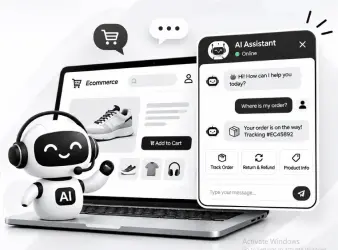
Add AI chatbots to answer common questions about products, payments, orders, and returns. They can provide quick support without requiring a human agent for every query.

AI can study market trends, product demand, and competitor prices to suggest suitable price changes. Sellers can use these insights to make better pricing decisions.

AI tools can identify unusual payment activity, suspicious orders, and strange account behavior. They can flag possible risks for further review.

AI can study past sales and buying trends to predict future product demand. Sellers can use these insights to plan stock and avoid overstocking or shortages.

AI can show buyers offers, products, and content based on their interests. This helps create a shopping experience that matches each user's needs.
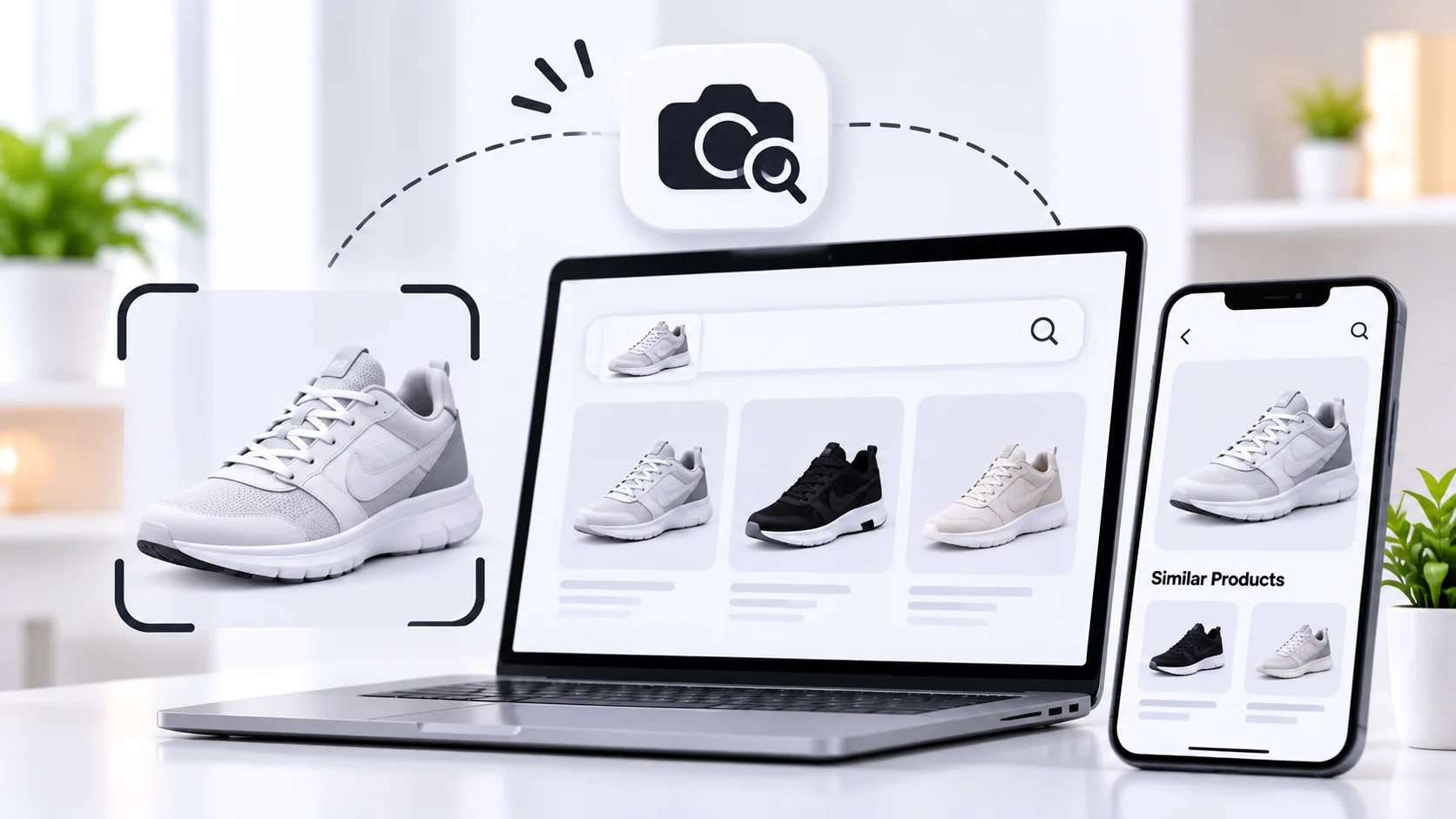
Allow buyers to upload an image and find similar products on the marketplace. This makes product discovery easier when users do not know the exact product name.

AI can study customer reviews to find common opinions about products and sellers. It helps admins understand customer feedback and identify areas that need improvement.
As a white label solution is pre-built, businesses require a precise implementation for a smooth deployment of the marketplace app. All the most common steps to do so are explained below.
We first understand your business model, target audience, budget, and goals. This helps us decide the right features and technology for your marketplace.
We plan the buyer, seller, and admin panels based on your business needs. We also define key features like product listings, payment options, order tracking, and seller commissions.
Our design team creates simple and user-friendly screens for all app users. We focus on easy navigation, clear layouts, and a smooth shopping experience.
We choose the right frontend, backend, database, and cloud tools for your app. The technology stack depends on your feature needs, budget, and expected user traffic.
We add your business name, logo, colors, and brand design to the platform. This helps turn the ready-made marketplace into an app that represents your business.
Our developers build the buyer, seller, and admin panels and connect them to the backend. We also add APIs, payment gateways, notifications, and other required tools.
We test the app for bugs, slow loading, payment issues, and security risks. We also check the main features across different devices to ensure smooth performance.
After testing, we prepare the app for launch on the Google Play Store and Apple App Store, where applicable. We also configure the backend, hosting, and production settings.
After launch, we provide updates, bug fixes, and performance checks. We can also add new features as your marketplace grows and your business needs change.
Businesses can choose between a white label solution or a custom-built approach to build their own ecommerce marketplace application. However, both approaches are totally different and have pros and cons. For a detailed overview, you can review the table below and select the approach that best fits your business needs.
|
Comparison Factors
|
White Label Solution
|
Custom-Built Solution
|
|---|---|---|
|
Development Cost
|
$8,000
|
$20,000 - $50,000+
|
|
Development Timeline
|
1-2 weeks
|
10-12 months
|
|
Customization
|
Allows changes to branding, design, and selected features
|
Offers greater control over design, features, and app functions
|
|
Branding
|
Supports your business name, logo, colors, and brand identity
|
Gives complete control over the app's brand and user experience
|
|
Core Features
|
Comes with ready-made features like seller panels, product listings, and order management
|
Features are planned and developed based on your business needs
|
|
Scalability
|
Can support growth within the limits of its architecture and plan
|
Can be designed around your expected user traffic and future needs
|
|
Third-Party Integrations
|
Supports available integrations, with custom work where needed
|
Allows integrations to be selected and built based on project needs
|
|
Maintenance
|
May include updates and support from the solution provider
|
Your development team or service partner manages updates and maintenance
|
|
Technical Control
|
Depends on the provider's platform, access, and licensing terms
|
Offers greater control over the source code and technical setup, depending on the agreement
|
|
Best Suited For
|
Startups and businesses that want to launch faster with a lower initial budget
|
Businesses that need unique features and greater technical control
|

Reach customers across their preferred devices with multi-vendor marketplace applications for Android, iOS, and web. We build responsive, scalable solutions that deliver a consistent shopping experience across multiple platforms.
We develop iOS marketplace apps that offer a smooth shopping experience on iPhones and iPads. Buyers can browse products, make payments, track orders, and receive push notifications through an easy-to-use interface.
Our Android marketplace apps help businesses reach a wider audience across different Android devices. We add features like product search, seller profiles, secure checkout, order tracking, and in-app notifications.
A web-based marketplace panel allows users to access the platform through their browsers. Buyers can shop, sellers can manage products and orders, and admins can control marketplace activities from a central dashboard.
Businesses can build their own multi-vendor marketplace app, but first they are required to know the exact development cost for the same. So basically, the cost depends on the development approach, which is either a white-label solution or custom-built software. Just review the table to know the exact development cost for both approaches.
Charge sellers a fixed amount or percentage for every successful order made through your platform. You can also set different commission rates for different product categories or sellers.
Partner with Hyperlocal Cloud to build a feature-rich, scalable, and user-friendly multi-vendor marketplace. Our team focuses on your business goals, streamlined vendor management, seamless customer experiences, and long-term platform growth.
Yes, a multi-vendor marketplace app can be customized with industry-specific features, personalized workflows, third-party integrations, branding elements, and business-specific functionalities.
Security can be strengthened through data encryption, secure authentication, role-based access control, API security, regular vulnerability assessments, and secure payment gateway integrations.
Vendor data can be protected through encrypted storage, secure API communication, role-based permissions, access restrictions, regular backups, and proper database security practices.
Yes, multilingual and multi-currency functionalities can be integrated to support international customers, local vendors, regional pricing, currency conversion, and localized shopping experiences.
Yes, you can integrate third-party APIs for payment gateways, shipping services, maps, analytics, CRM systems, SMS gateways, and other business tools to enhance marketplace functionality.
Yes, AI-powered recommendations, intelligent search, automated customer support, fraud detection, demand forecasting, and personalized product suggestions can improve marketplace efficiency and customer engagement.
Payment gateways such as Razorpay, Stripe, PayPal, and other regional providers can be integrated depending on your target market, supported currencies, and payment requirements.
Development timelines depend on project scope, feature complexity, integrations, and testing requirements. A basic marketplace may take less time than a fully customized, enterprise-grade solution.
Yes, a multi-vendor marketplace can be developed for Android, iOS, and web platforms, allowing customers and vendors to access marketplace services across their preferred devices.
Launch your marketplace under your own brand identity




By sending, you agree to our Terms of Service.