
Get 30% OFF on All Development Services – Limited Time!

Years of Experience

Countries Served

Ongoing Projects

Expert Developers
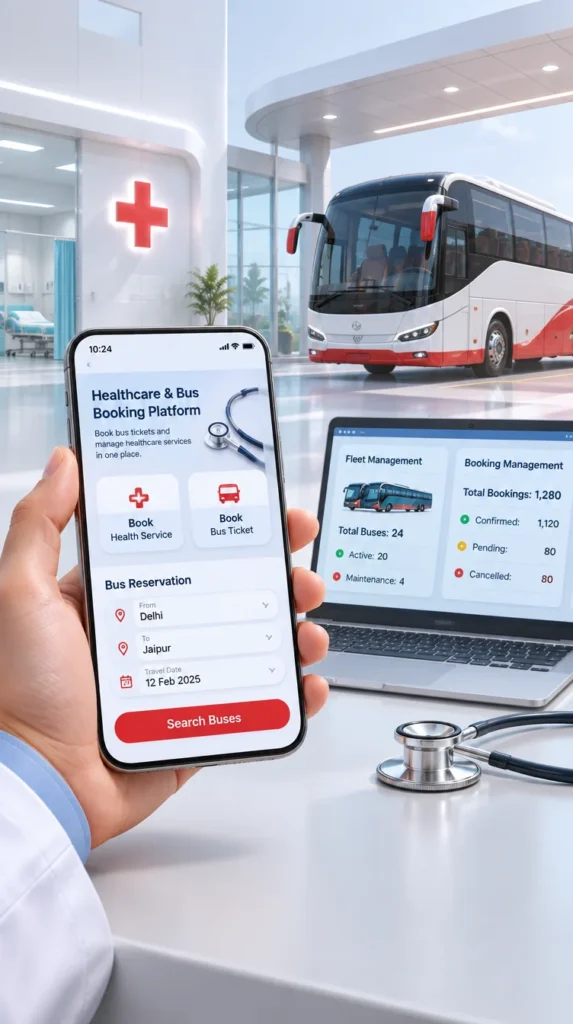
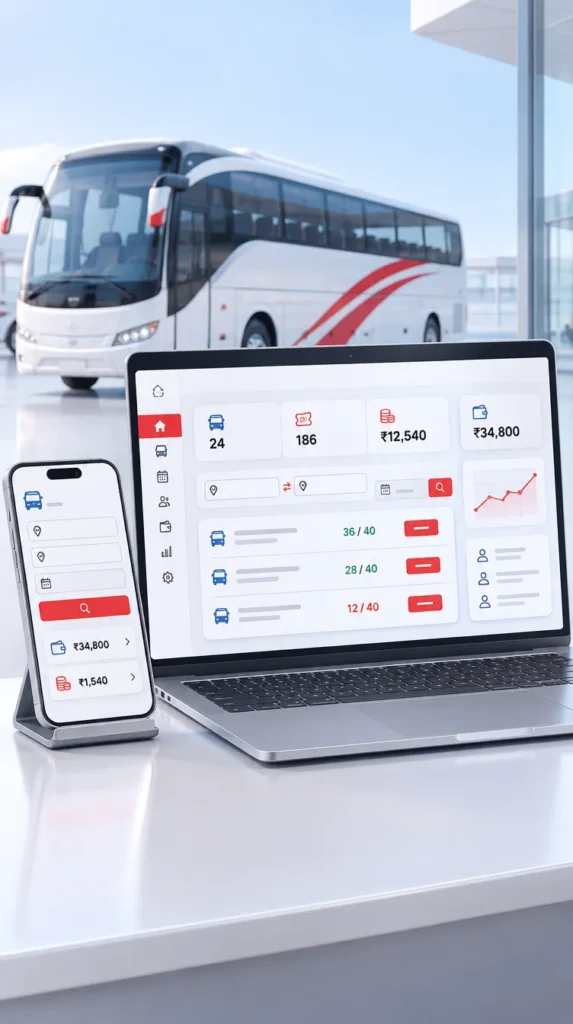
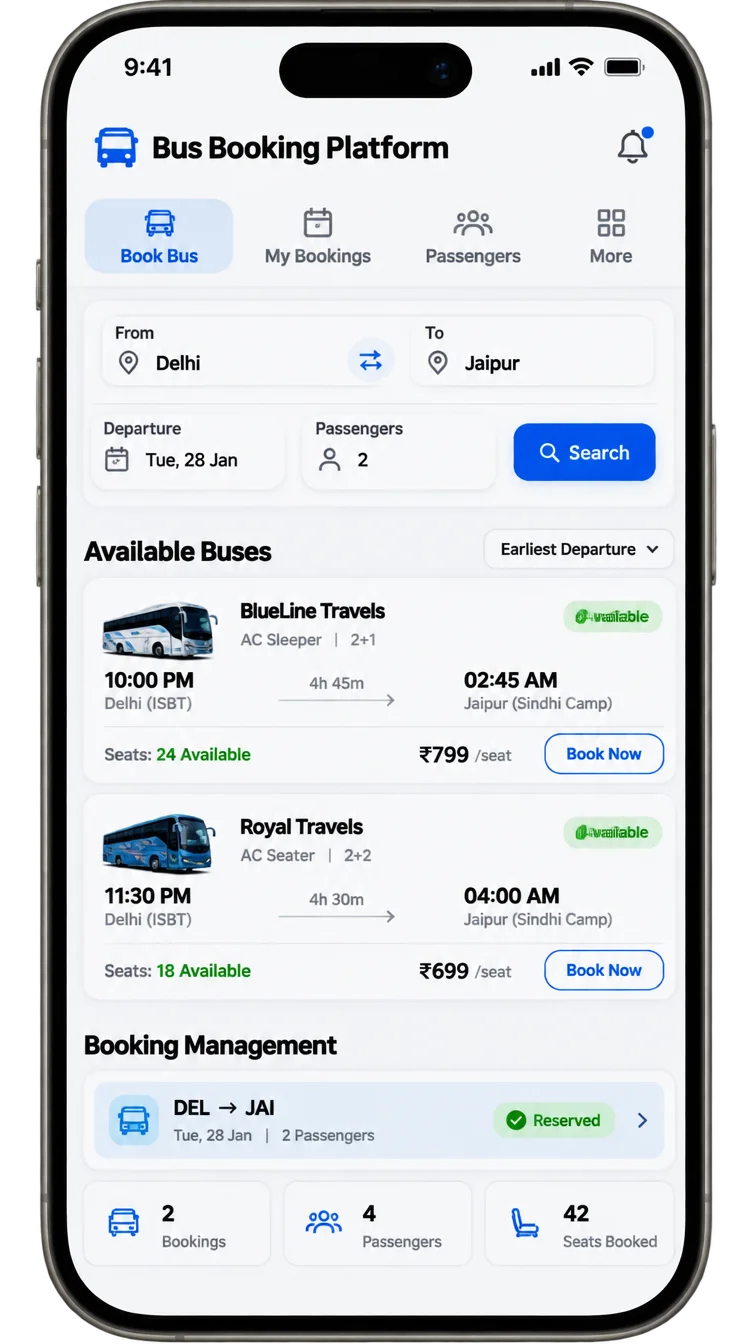
Our white label bus reservation system replaces slow manual ticketing with a centralized digital network. By syncing real-time inventory and automating passenger communications, the platform handles high-volume transactions instantly through a simple sequence.
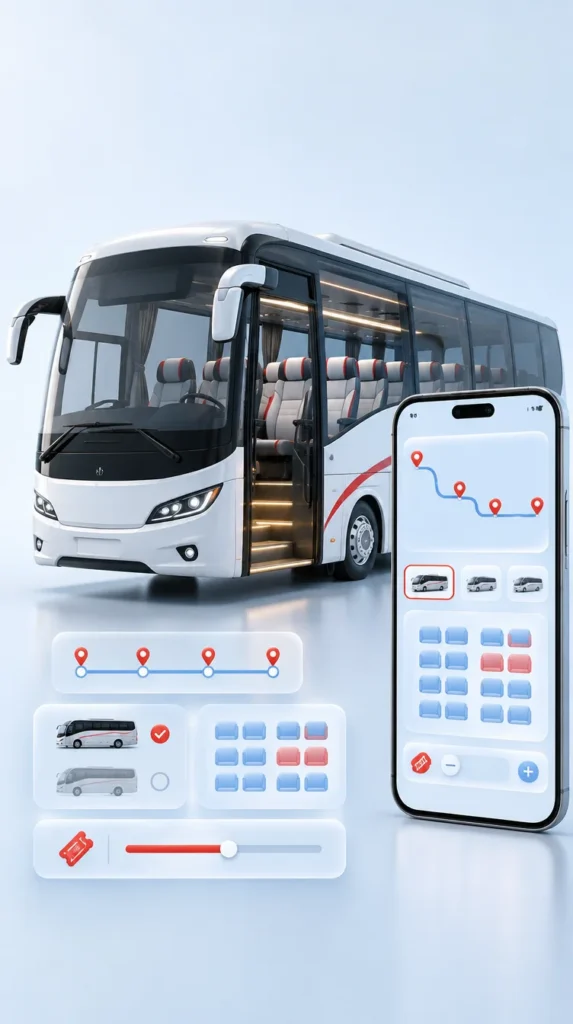
Visual seat layouts that let passengers view availability and choose preferred seats.

AI can help transport businesses extract useful insights from booking data that would otherwise take time to analyze manually. For a white label bus booking system, these capabilities can support more accurate demand planning, data-driven pricing decisions, and relevant passenger recommendations as booking activity grows.
Analyze historical ticket sales, route occupancy, departure dates, holidays, and seasonal travel patterns to estimate future passenger demand. These predictions help operators identify routes likely to experience high demand or low occupancy and make informed decisions about bus allocation and departure schedules.














Expand your distribution network by collaborating with independent travel agents and external booking channels. A white label bus booking system gives your travel agency robust features, helping you expand your market reach while setting flexible commission structures that work for your business.
The cost of white label bus reservation software depends on the package scope and the level of implementation required. Understanding what's included in the package helps you evaluate the investment against your business requirements.
Choosing the right development partner can make a difference in how smoothly your platform moves from planning to launch. Recognized among the best app development companies in the USA, Hyperlocal Cloud helps businesses build a branded booking solution aligned with their goals, operational needs, and long-term plans.
Launching a booking platform requires an understanding of passenger journeys, transport operations, and the coordination between operators and customers. We focus on these practical requirements to help you establish a platform suited to your business model.
Ownership depends on the licensing agreement and the package terms. Before purchasing a white label bus reservation system, clarify which rights are included, whether source code access is provided, and which components remain licensed from the provider. These details help you understand how much control you have over the platform and any future modifications.
Expanding into multiple countries depends on the platform's supported configurations and each market's requirements. Before launching, consider local currencies, payment gateways, languages, tax rules, and applicable transportation regulations. You should also confirm whether the platform can accommodate these requirements and whether additional customization or third-party services will be necessary.
Moving from an existing system typically involves reviewing the data you need to transfer, checking its compatibility, and planning the transition carefully. Depending on the available export options, relevant records may include customer details, booking histories, route information, and operator data. Confirm migration support, data validation procedures, and any associated costs before switching platforms.
Moving from an existing system typically involves reviewing the data you need to transfer, checking its compatibility, and planning the transition carefully. Depending on the available export options, relevant records may include customer details, booking histories, route information, and operator data. Confirm migration support, data validation procedures, and any associated costs before switching platforms.
Integration depends on the third-party system, its available APIs, and the access permissions granted by the provider. A bus ticket booking system may require additional configuration to synchronize schedules, seat availability, fares, and reservation data with external services. Discuss your existing systems and integration requirements before implementation to confirm feasibility and any additional costs.
Future customization depends on the platform's architecture, licensing terms, and available development support. If you want to launch your own bus booking app, you may want to introduce new branding elements, connect additional services, or adjust workflows as your needs evolve. Discuss which changes can be made through existing settings and which would require separate development work.
Post-launch support depends on the service agreement and support package you select. Before committing, clarify how technical issues are reported, what response times are offered, and whether maintenance, troubleshooting, updates, and further development are included. Understanding these arrangements helps you plan for ongoing operations and know where to turn if an issue affects your booking service.
Launch your marketplace under your own brand identity




By sending, you agree to our Terms of Service.