



How Much Does It Cost to Build a Multi-Vendor Marketplace? 2026 Guide
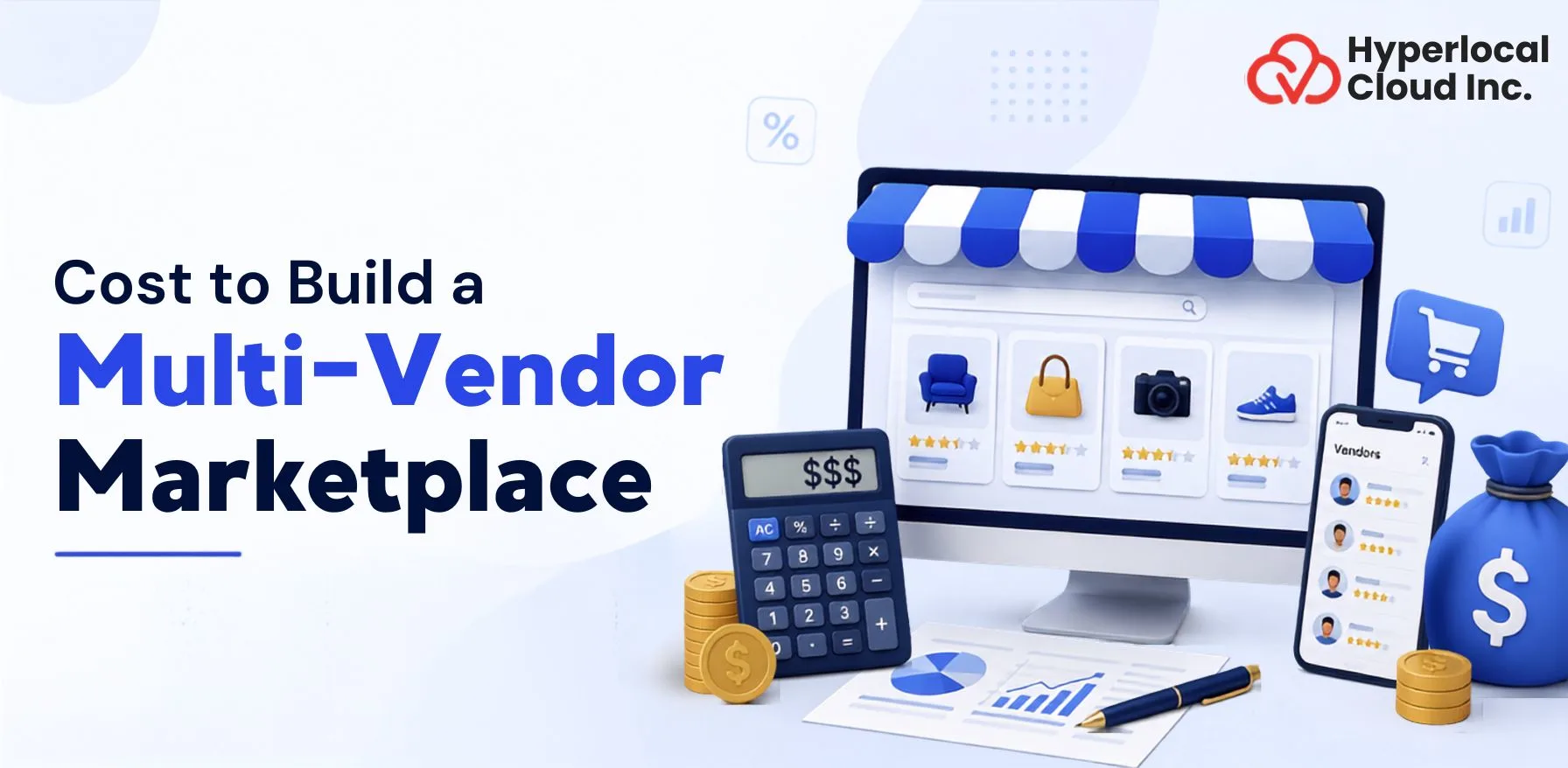
The eCommerce landscape has changed significantly over the past few years, and multi-vendor marketplaces have become one of the most popular online business models. Unlike traditional online stores, these platforms allow multiple sellers to showcase and sell their products or services from a single website or app. The success of marketplaces like Amazon, Etsy, and eBay has encouraged businesses to build their own platforms, while many entrepreneurs are also exploring niche marketplaces focused on specific industries such as fashion, healthcare, food, travel, and digital services.
However, launching a multi-vendor marketplace is a major investment, and understanding the development cost is an essential first step. The total cost depends on several factors, including the platform’s features, design complexity, technology stack, integrations, development team, and future growth plans. Having a clear idea of these expenses helps businesses create a realistic budget, choose the right development approach, and avoid unexpected costs during the development process.
In this 2026 guide, we’ll break down everything you need to know about multi-vendor marketplace development costs. You’ll learn about the average investment required to build different types of marketplaces, the key factors that impact pricing, the various stages involved in development, hidden expenses to consider, and practical ways to reduce costs without compromising on quality. Whether you’re planning an MVP or a large-scale marketplace platform, this guide will help you understand the financial side of turning your idea into a successful online business.
What Is a Multi-Vendor Marketplace?
A multi-vendor marketplace is an online platform where multiple independent sellers can register, list their products or services, and sell them to customers through a single website or mobile application. Instead of managing and selling products from one business only, the marketplace owner provides the infrastructure that connects buyers and sellers while earning revenue through commissions, subscriptions, listing fees, or other monetization methods.
Unlike a traditional eCommerce store, where one company manages the entire product catalog and sales process, a multi-vendor marketplace allows different vendors to operate their own virtual stores within the same platform. This model helps businesses offer a wider range of products, attract more customers, and scale faster without managing all inventory themselves.
Get Your Custom Multi-vendor Marketplace Cost Estimate From Our Experts Today
Understanding the Multi-Vendor Marketplace Business Model
The multi-vendor marketplace business model works by creating a digital ecosystem that connects three main parties:
- Marketplace Owner/Admin: The owner manages the overall platform, controls marketplace operations, approves vendors, manages commissions, monitors transactions, and ensures a smooth experience for both sellers and customers.
- Sellers/Vendors: Vendors create their profiles, upload product listings or service details, manage inventory, process orders, and interact with customers through the platform.
- Customers: Customers browse products or services from multiple sellers, compare options, place orders, make payments, and provide reviews or feedback.
Multi-Vendor Marketplace Development Cost?
Understanding these factors helps businesses plan their marketplace development budget more effectively and choose the right approach based on their goals and available resources.
The cost of building a rental marketplace depends on the platform’s complexity, required features, design preferences, and long-term business goals. A small marketplace with basic functionality can be launched with a limited budget, while a large-scale platform with advanced features, automation, and high scalability requires a bigger investment.
| Marketplace Type | Estimated Development Cost |
| Basic MVP Marketplace | $8,000–$20,000 |
| Medium-Level Marketplace | $20,000–$35,000 |
| Advanced Marketplace Platform | $35,000+ |
Factors That Influence the Overall Cost
Several factors determine the final cost of developing a multi-vendor marketplace:
- Platform Complexity: A marketplace with multiple user roles, advanced workflows, and complex operations requires more development time and resources.
- Number of Features: Basic features cost less, while advanced options like AI recommendations, chat systems, subscription models, and analytics increase development expenses.
- Technology Stack: The choice of programming languages, frameworks, databases, hosting solutions, and development tools affects both initial development and future maintenance costs.
- Development Team Location: Developer rates vary based on location and expertise. Hiring an in-house team, freelancers, or a development agency can significantly impact the overall budget.
- UI/UX Requirements: Custom designs, user-friendly interfaces, and smooth customer journeys require additional design and development efforts.
- Third-Party Integrations: Integrations with payment gateways, shipping providers, CRM systems, ERP software, and marketing tools can add to development costs.
- Scalability Needs: If you plan to support thousands of vendors and customers in the future, investing in scalable architecture from the beginning may increase initial costs but reduce future redevelopment expenses.
Cost Breakdown of Multi-Vendor Marketplace Development
Developing a multi-vendor marketplace involves multiple stages, and each stage contributes to the overall development cost. From planning and designing the platform to building frontend, backend, and mobile applications, every component requires careful investment to create a secure, scalable, and user-friendly marketplace.
1. Market Research and Business Planning Costs
Before starting development, businesses need to understand their target market, competitors, and revenue opportunities. Proper research helps define the marketplace strategy and reduces the chances of costly mistakes later.
This stage includes:
- Competitor analysis
- Target audience research
- Revenue model planning
- Marketplace niche validation
Estimated Cost: $1,000–$5,000
2. UI/UX Design Costs
A well-designed interface plays a major role in attracting users and improving conversions. The design phase focuses on creating smooth user experiences for customers, vendors, and administrators.
This stage includes:
- User journey mapping
- Wireframes
- Prototype development
- Mobile and desktop interface design
- Seller and customer dashboard design
Estimated Cost: $2,000–$8,000
3. Frontend Development Costs
Frontend development focuses on building the visible parts of the marketplace that users interact with. A responsive and fast interface ensures a seamless experience across different devices.
This stage includes:
- Customer-facing marketplace interface
- Vendor dashboard
- Admin panel interface
- Responsive design implementation
Estimated Cost: $5,000–$15,000
4. Backend Development Costs
The backend acts as the foundation of a multi-vendor marketplace by managing data, user accounts, transactions, and business operations. A strong backend ensures the platform can handle increasing users and transactions.
This stage includes:
- Database architecture
- User management
- Vendor management
- Product management
- Order processing
- Security implementation
Estimated Cost: $8,000–$25,000
Turn Your Marketplace Idea Into Reality With Our Development Expertise
Essential Features That Affect Multi-Vendor Marketplace Cost
The features and functionality you include in your multi-vendor marketplace have a direct impact on the overall development cost. A basic platform with limited features requires less time and investment, while a feature-rich marketplace with advanced tools requires more development effort. The main features are divided into three key areas: customer-side, vendor-side, and admin panel functionality.
Customer-Side Features
Customer-facing features are designed to provide a smooth shopping experience, making it easy for users to discover products, place orders, and interact with sellers.
Key customer features include:
- User Registration and Login: Allows customers to create accounts, manage profiles, and securely access their order history.
- Product Search and Filters: Helps users quickly find products using categories, keywords, price ranges, ratings, and other filtering options.
- Shopping Cart: Enables customers to add multiple products, review selections, and proceed with checkout.
- Wishlist: Allows users to save products they are interested in purchasing later.
- Reviews and Ratings: Builds trust by allowing customers to share feedback about products and sellers.
- Multiple Payment Options: Supports different payment methods, including cards, digital wallets, and online payment gateways for convenient transactions.
- Order Tracking: Allows customers to monitor their order status from purchase to delivery.
Vendor-Side Features
Vendor-side features help sellers manage their stores, products, sales, and payments efficiently. A powerful vendor dashboard improves seller experience and encourages more businesses to join the marketplace.
Key vendor features include:
- Seller Registration: Allows vendors to create accounts and apply to sell products or services on the platform.
- Vendor Profile Management: Enables sellers to update store information, business details, and branding elements.
- Product Listing Management: Allows vendors to add, edit, update, and manage product details, images, and pricing.
- Inventory Management: Helps sellers track stock levels and avoid product availability issues.
- Sales Analytics: Provides insights into sales performance, customer behavior, and revenue trends.
- Commission Tracking: Helps vendors understand marketplace fees and earnings from each transaction.
- Vendor Payouts: Enables secure and automated payment transfers to sellers after successful transactions.
Admin Panel Features
The admin panel acts as the control center of the marketplace, allowing owners to manage users, vendors, products, payments, and overall platform operations.
Key admin features include:
- User and Vendor Management: Allows administrators to monitor customer accounts, approve sellers, and manage platform users.
- Product Approval: Enables admins to review and approve vendor listings to maintain marketplace quality.
- Commission Management: Helps set and manage marketplace commission rates for different vendors or product categories.
- Reports and Analytics: Provides insights into sales, revenue, vendor performance, and customer activity.
- Dispute Management: Helps resolve issues between customers and vendors, improving trust and marketplace reliability.
- Platform Settings: Allows administrators to control payment settings, notifications, policies, and other marketplace configurations.
Including these essential features creates a reliable and scalable multi-vendor marketplace.
Development Timeline for Building a Multi-Vendor Marketplace
The time required to build a multi-vendor marketplace depends on the platform’s complexity, feature requirements, and level of customization. While a basic MVP can be developed in a few months, a fully customized marketplace with advanced features may take longer. Below is a typical development timeline for a custom multi-vendor marketplace.
| Phase | Estimated Duration |
| Discovery | 1–2 weeks |
| Design | 2–4 weeks |
| Development | 8–20 weeks |
| Testing | 2–4 weeks |
| Launch | 1 week |
Overall Timeline: Most custom multi-vendor marketplaces can be developed and launched within 3–7 months, depending on the project scope and development approach.
Custom Development vs. Ready-Made Marketplace Solutions
Businesses can choose between a ready-made marketplace solution and custom development. Ready-made platforms are faster and more affordable to launch, while custom development offers greater flexibility, scalability, and complete ownership.
| Ready-Made Marketplace Solution | Custom Marketplace Development |
| Lower initial cost | Higher upfront investment |
| Faster time to market | Longer development timeline |
| Limited customization | Fully customizable features and design |
| Subscription or licensing fees | Full ownership of the source code |
| Limited scalability | Highly scalable for future growth |
| Depends on third-party platform updates | Complete control over updates and enhancements |
| Suitable for MVPs and small businesses | Ideal for growing and enterprise-level businesses |
Which option should you choose?
If you want to validate your business idea quickly with a limited budget, a ready-made solution can be a practical starting point. However, if your goal is to build a unique, scalable, and feature-rich marketplace with complete ownership, custom development is the better long-term investment.
How Do Multi-Vendor Marketplaces Make Money?
A successful multi-vendor marketplace generates revenue through multiple income streams rather than relying on product sales alone. Choosing the right monetization model depends on your target audience, business goals, and marketplace niche. Below are the most common revenue models used by online marketplaces.
1. Commission-Based Model
The marketplace charges vendors a percentage or fixed fee for every successful transaction. This is the most popular revenue model because earnings grow as sales increase.
2. Subscription Plans
Vendors pay a recurring monthly or annual fee to access the marketplace or unlock premium features such as advanced analytics, higher product limits, or marketing tools.
3. Listing Fees
The platform charges sellers a fee to list products or services. This model works well for marketplaces with high demand or niche audiences.
4. Featured Listings
Vendors can pay to promote their products or stores in featured sections, search results, or homepage banners, increasing their visibility and sales opportunities.
5. Advertising Revenue
Marketplace owners can generate additional income by selling advertising space to vendors or third-party brands through banner ads, sponsored products, or promotional campaigns.
6. Freemium Plans
The marketplace offers a free basic plan while charging vendors for premium features, additional product listings, marketing tools, or advanced store management capabilities.
By combining multiple revenue models, businesses can diversify their income streams and build a more profitable and sustainable multi-vendor marketplace.
Launch Your Online Marketplace Faster With the Right Development Partner
Conclusion
Building a multi-vendor marketplace is a strategic investment, and the total development cost depends on factors such as platform complexity, features, design, technology stack, third-party integrations, and scalability requirements. While a basic MVP can be developed with a modest budget, advanced marketplaces with custom functionality and enterprise-grade infrastructure require a higher investment.
Planning your budget early and prioritizing essential features can help you launch faster while keeping development costs under control. As your marketplace grows, you can gradually add new features and scale the platform to meet increasing user demands.
If you’re planning to build a custom multi-vendor marketplace, working with an experienced development team can help you estimate costs accurately, choose the right technology stack, and create a scalable solution tailored to your business goals. Contact our experts today for a personalized cost estimate and turn your marketplace idea into a successful online business.

Ritu Thakur is a technical writer with more than 7 years of experience creating high-quality content for a wide range of industries. She specializes in developing clear, engaging, and well-researched technical and business content tailored to diverse audiences and industry requirements.

Need Help With
Development?